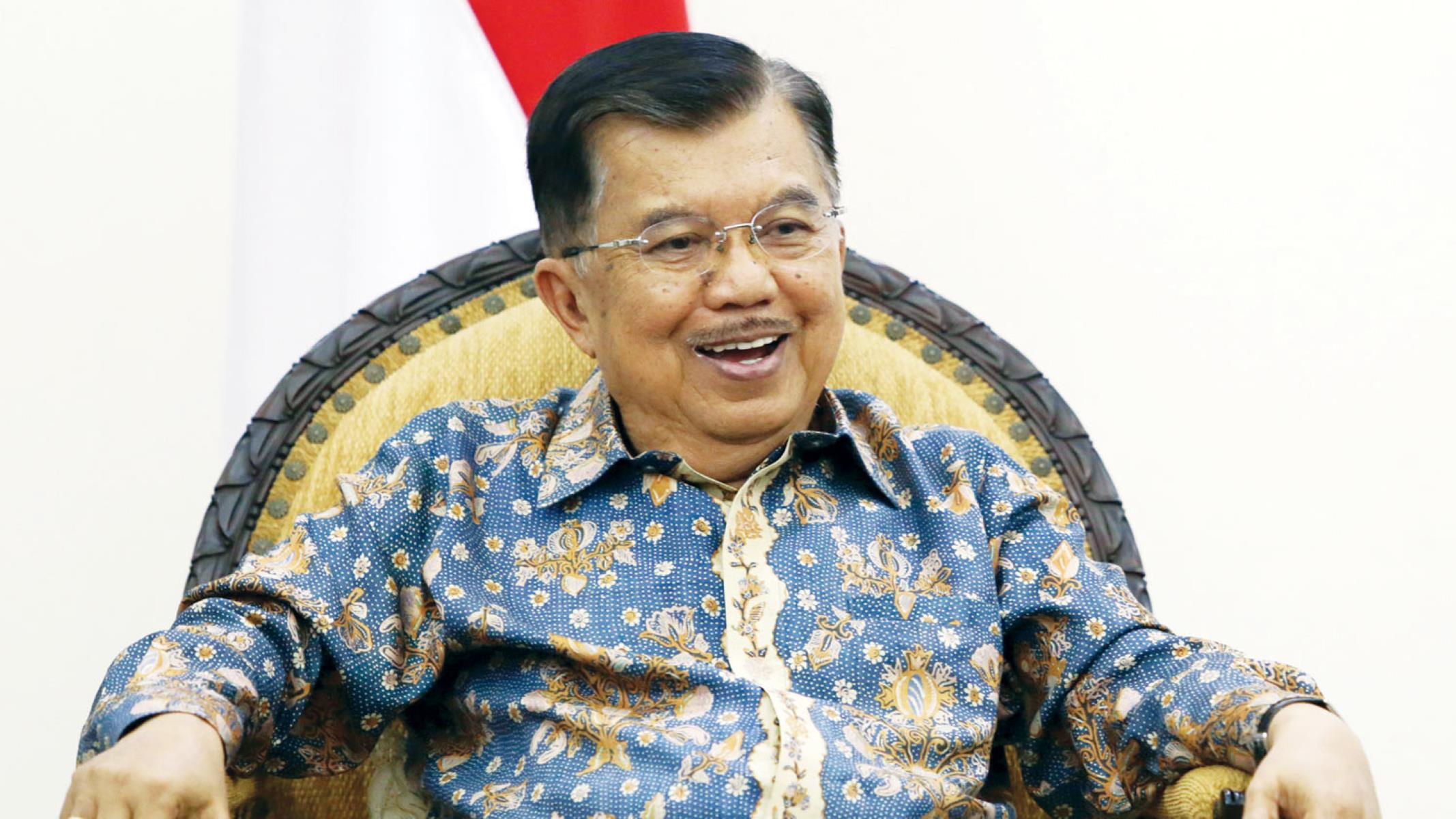
Former Indonesian Vice President Joseph Kalla, known as JK, filed a formal complaint against allegations of defamation and the dissemination of false news at the national police headquarters Bareskrim Polri in the capital Jakarta on Wednesday. This action comes after accusations that he funded a campaign to cast doubt on the qualifications of current Indonesian President Joko Widodo.
JK arrived at the police station at 11 AM, accompanied by his lawyer Abdul Haji Talhawa. When asked by reporters about the reason for his visit, JK simply stated, "I want to file a report."
Details of the Complaint
The complaint filed by JK pertains to allegations made by digital forensics expert Risman Hasyholan Sianipar, who accused him of financing Roy Suroyo and others with a sum of 5 billion rupiah as part of a campaign to question the legitimacy of President Joko Widodo's qualifications. JK's lawyer confirmed that these accusations are serious and warrant legal action.
It is noteworthy that this is not the first case of its kind, as Indonesia has witnessed numerous defamation and false news cases in recent years, reflecting the increasing political tensions in the country.
Background & Context
Historically, Indonesia has experienced many political crises that have led to mutual accusations among political figures. JK, who served as Vice President for two terms, has always been in the spotlight, especially amid the current political tensions. The recent accusations have generated significant media attention, prompting JK to take legal steps to protect his reputation.
This case is part of a broader phenomenon in the digital world, where the spread of misleading information has become easier, impacting the reputations of individuals and institutions.
Impact & Consequences
This case could have significant legal ramifications, not only for JK but also for the other accused parties. If the allegations are proven true, Risman and others may face severe legal consequences. Additionally, this case could spark broader discussions about freedom of expression and its limits in Indonesia.
Moreover, this case may influence the upcoming elections in Indonesia, as many politicians seek to exploit any opportunity to bolster their positions.
Regional Significance
The implications of this case extend beyond individual reputations, highlighting the challenges Indonesia faces in terms of freedom of expression and combating false news. As misinformation continues to spread, it poses a threat to the integrity of political discourse and public trust in democratic institutions.
In conclusion, the legal actions taken by JK underscore the urgent need for a robust framework to address defamation and misinformation in Indonesia, ensuring that political debates remain grounded in truth and accountability.