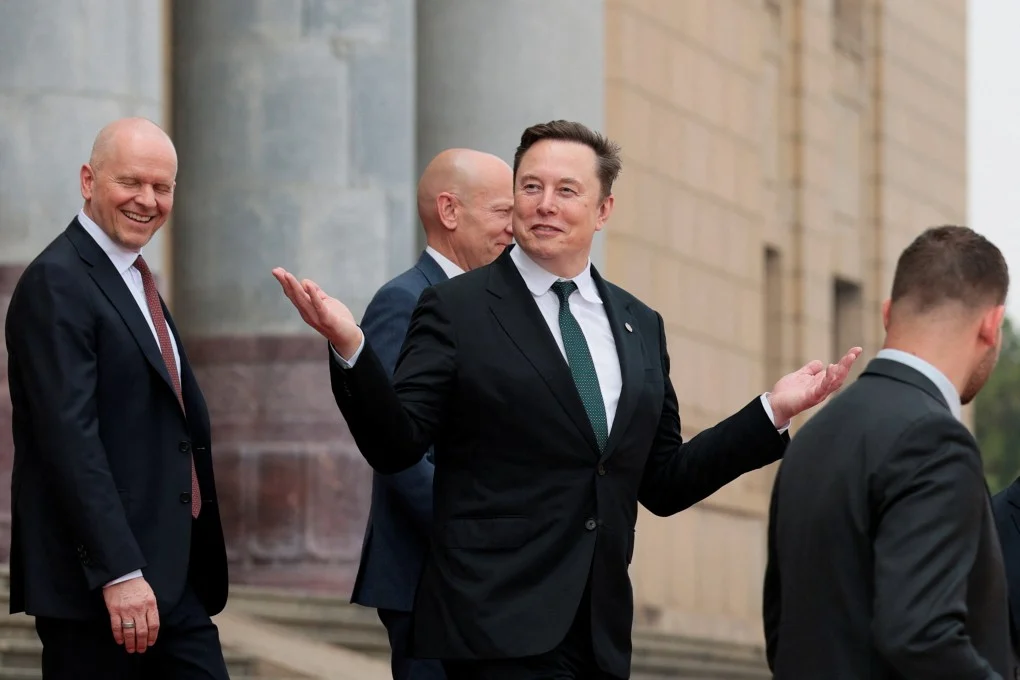
In a significant legal development, a jury in a federal court in Oakland, California, has ruled against Elon Musk, the founder of Tesla, in his lawsuit against OpenAI, a company he established in 2015. The jury decided that the company is not responsible for any deviation from its original mission of serving humanity. This unanimous ruling was reached after deliberations that lasted less than two hours.
It is noteworthy that Musk claimed in his lawsuit that OpenAI had strayed from its path, negatively impacting his aspirations and goals. However, the jury found that Musk presented his case too late, leading to the dismissal of the lawsuit.
Details of the Case
This case represents one of the most prominent legal disputes in the field of artificial intelligence, with OpenAI being one of the leading companies in this sector. Musk was one of the key founders of the company but left its board in 2018. Since then, OpenAI has seen significant developments, including the launch of advanced AI models such as ChatGPT.
It is important to mention that the court did not address the technical or ethical aspects of artificial intelligence in its ruling but focused on the legal aspects concerning the timing of the lawsuit. This ruling has sparked mixed reactions within technical and legal circles.
Background & Context
OpenAI was founded in 2015 with the goal of developing safe and beneficial artificial intelligence for humanity. However, rapid developments in this field have raised concerns about the potential uses of AI and its impact on society. In recent years, there has been an increase in discussions surrounding the ethics and policies related to artificial intelligence.
Elon Musk, considered one of the leading technology pioneers in the world, has expressed concerns about the risks of artificial intelligence, prompting him to take legal action against OpenAI. Nevertheless, the recent ruling may alter the course of discussions regarding the future of artificial intelligence.
Impact & Consequences
The ruling against Musk marks a turning point in legal disputes related to artificial intelligence. This decision may open the door for other companies to develop new technologies without fear of legal accountability. It could also influence how companies deal with their former founders.
Moreover, this ruling could strengthen OpenAI's position in the market, potentially increasing its competitiveness in the field of artificial intelligence. As reliance on this technology grows, the impact of this ruling may extend to other areas as well.
Regional Significance
In light of rapid developments in artificial intelligence, Arab countries face new challenges and opportunities. AI could have a significant impact on the Arab economy, particularly in areas such as education, healthcare, and government services. However, the need for clear legal and ethical frameworks remains essential to ensure the safe and effective use of this technology.
In conclusion, the ruling against Elon Musk in his case against OpenAI represents a pivotal moment in global discussions about artificial intelligence. As this field continues to evolve, it remains crucial to monitor its effects on societies and economies worldwide.