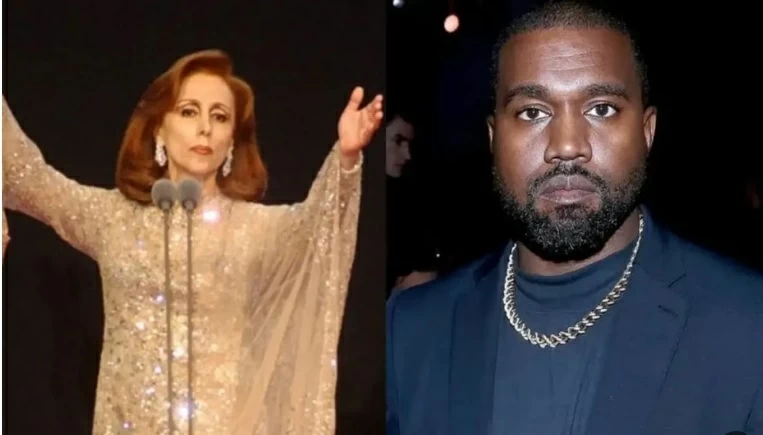
American rapper Kanye West has incorporated a segment from the classic song 'Faiq Ali' by Lebanese artist Fairuz, released in 1963, into his new track 'All The Love,' which is part of his highly anticipated album 'Bully.' This usage of Fairuz's segment has added a distinctive Eastern touch to the song, resulting in widespread audience engagement, with many praising the harmony between the Arabic segment and the song's musical composition. Many consider it one of the standout pieces of the album in terms of quality and innovation.
However, the use of this segment has raised questions about whether West obtained the necessary official approvals to use Fairuz's artistic legacy, especially given the sensitivity surrounding this issue. Rima Rahbani, Fairuz's daughter, previously emphasized the importance of protecting her mother's works from unauthorized use, complicating the situation further.
Details of the Release
The release details indicate the names of the original composers of the song, Aasi Rahbani and Monsoor Rahbani, but the legal aspects concerning the use of the segment remain contentious. This employment of the Eastern melody reflects West's ability to blend different musical cultures, distinguishing his works from others.
The album 'Bully' comes after a series of delays and developments surrounding its production, with significant media interest in West's return to the artistic scene. This work is considered one of his boldest projects in terms of experimentation and musical diversity, making it a focal point for both critics and audiences alike.
Background & Context
Historically, Fairuz has been one of the most prominent voices in the Arab world, leaving an indelible mark on Arabic music. Her song 'Faiq Ali' is regarded as a classic that continues to be heard today, making its use in new works a sensitive topic. In recent years, there has been an increase in the use of Arabic musical heritage in Western works, reflecting the intertwining of cultures and their mutual influence.
This usage occurs within a broader context where artists seek to explore different arts and integrate them into their works, contributing to the enhancement of cultural dialogue between the East and the West. However, obtaining the necessary approvals remains essential to protect the rights of original artists.
Impact & Consequences
The use of a segment from Fairuz's song in a Western work may open the door to discussions about intellectual property rights in art. This could lead to increased awareness about the importance of protecting artistic heritage and the necessity of obtaining permissions before using any musical segments. Moreover, this issue may influence how artists engage with cultural heritage in the future.
On the other hand, this usage may help enhance Fairuz's popularity among a new audience, as West's listeners might discover her classic works, reinforcing her status as a musical icon in the Arab world.
Regional Significance
This event reflects the cultural intertwining between the Arab world and the West, highlighting how art can serve as a bridge for communication between different cultures. While Arab artists face numerous challenges, such works can contribute to fostering pride in Arab cultural heritage.
In conclusion, the question of official approvals remains unresolved, raising concerns about how artistic heritage is utilized in new works. Amid this controversy, the audience remains eager to learn more about the details of the new album and its impact on the artistic scene.