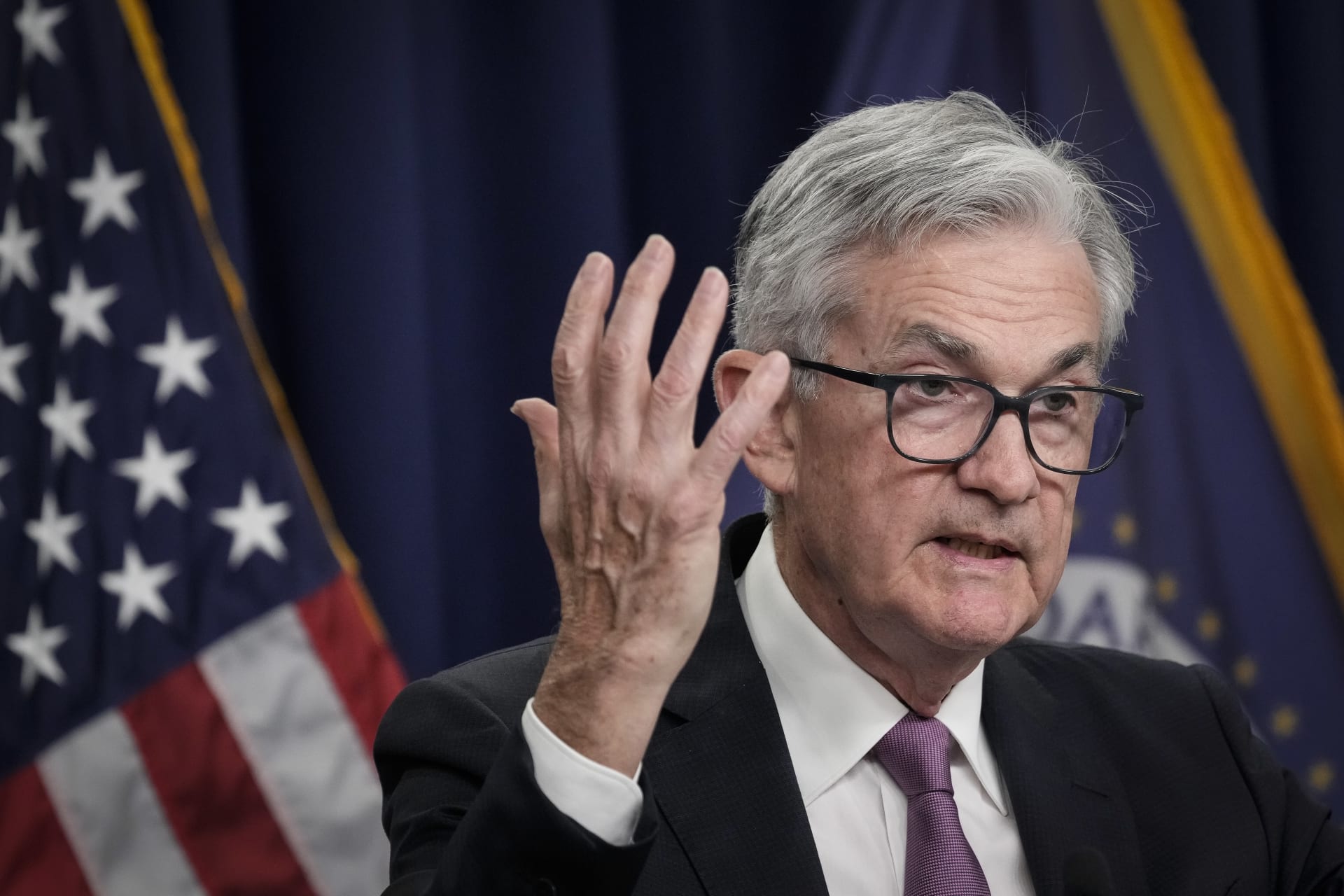
Kevin Warsh, the nominee for the US Federal Reserve chair, has announced ambitious plans to reduce the central bank's balance sheet, currently valued at $6.6 trillion. According to financial experts, Warsh may need more than one term to achieve this goal, underscoring the significant challenges facing monetary policy in the United States.
These statements come at a sensitive time for the US economy, as the Federal Reserve seeks to achieve price stability and economic growth. Reducing the balance sheet is considered an important step to curb inflation and enhance confidence in the economy.
Details of the Announcement
Kevin Warsh, who has been nominated by the US administration, intends to take bold steps to shrink the balance sheet that has ballooned significantly over the past years due to expansionary monetary policies. He noted that this step is not easy and may require a long time to achieve the desired results.
Many economists consider the Federal Reserve's massive balance sheet a significant challenge, as it could lead to increased inflation if not managed properly. There is expected to be pressure from various parties, including financial markets, on Warsh to deliver quick results.
Background & Context
Historically, the US Federal Reserve has experienced periods of expansion and contraction in its balance sheet. During the global financial crisis in 2008, the central bank took unprecedented measures to provide liquidity to the economy, resulting in a significant increase in the balance sheet. Since then, the bank has continued to use unconventional tools to support the economy.
In recent years, as the economy has recovered, the Federal Reserve has begun to consider reducing its balance sheet. However, the challenges facing this path relate to balancing support for economic growth with curbing inflation.
Impact & Consequences
If Warsh can successfully reduce the balance sheet, it could lead to price stability and enhance confidence in the US economy. However, any delay or failure to achieve this goal could exacerbate inflation and increase pressures on American households.
This step is also crucial for global financial markets, as any changes in US monetary policy directly affect markets worldwide. Therefore, Warsh's success or failure in reducing the balance sheet will have far-reaching implications.
Regional Significance
For the Arab region, US monetary policies play a critical role in stabilizing its economies. Any changes in US monetary policy could affect oil prices, exchange rates, and foreign investment in the region. Thus, monitoring Warsh's steps will be important for decision-makers in Arab countries.
In conclusion, Kevin Warsh's nomination for the US Federal Reserve chair presents an opportunity to change monetary policy in the United States. However, the challenges he faces require a long-term strategic vision to achieve the desired economic objectives.