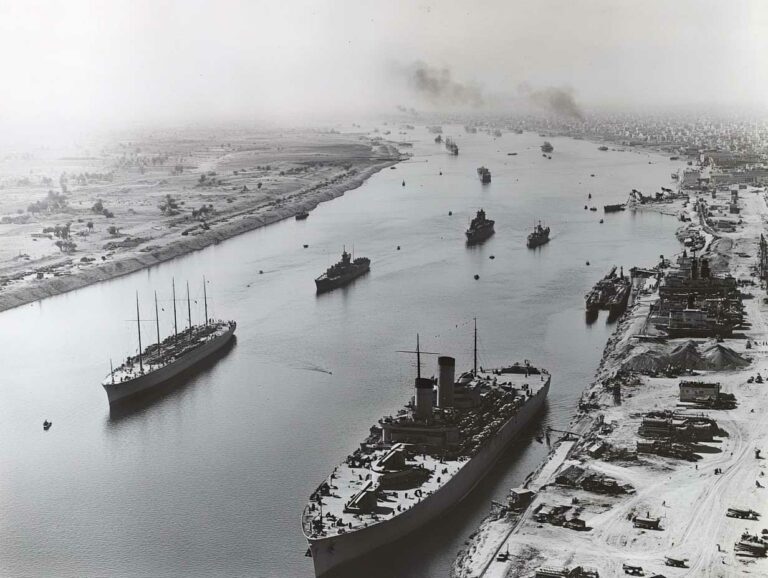
The wars witnessed in the Arab region during the twentieth century are pivotal moments in its history, with Wars 26 and 56 being among the most notable. Although both wars were linked to the Arab-Israeli conflict, there are fundamental differences between them in terms of context, objectives, and consequences.
War 26, also known as the Suez Crisis, occurred in 1956 and was the result of a tripartite aggression launched by Britain, France, and Israel against Egypt following the nationalization of the Suez Canal. In contrast, War 56, commonly referred to as the Six-Day War, took place in 1967 and stemmed from escalating tensions between Arab states and Israel, leading to Israel's occupation of vast Arab territories.
Details of the Events
During War 26, Egypt was under the leadership of President Gamal Abdel Nasser, who made the decision to nationalize the Suez Canal as a step to enhance national sovereignty and achieve economic development. This decision provoked the ire of colonial powers, resulting in military intervention. The war ended with Egypt's victory, but it significantly impacted international relations in the region.
On the other hand, War 56 witnessed a major military escalation, with Israel launching a surprise attack on Arab nations, resulting in the occupation of the West Bank, Gaza Strip, and Sinai. This war had far-reaching implications for the Arab-Israeli conflict, leading to radical changes in the balance of power in the region.
Context and Background
Historically, the region suffered from colonialism and foreign intervention, contributing to the emergence of national movements seeking independence. In the 1950s, Egypt was at the forefront of these movements, with Nasser leading significant efforts to unite Arab countries against colonialism. By the 1960s, the situation had changed, with new challenges such as internal Arab divisions and regional conflicts emerging.
It is noteworthy that War 26 was a turning point in Egyptian politics, enhancing Nasser's status as a national leader, while War 56 led to the strengthening of Israeli militarism and the expansion of its influence in the region.
Consequences and Impact
War 26 resulted in significant changes in international politics, contributing to the decline of British and French influence in the Middle East. It also bolstered Arab nationalism, leading to the formation of new alliances among Arab nations.
Conversely, War 56 had negative repercussions for Arab countries, exacerbating internal conflicts and giving rise to new resistance movements. It also contributed to the deepening divide among Arab states, adversely affecting efforts for Arab unity.
Impact on the Arab Region
Wars 26 and 56 are integral parts of the history of the Arab-Israeli conflict, shaping the political landscape of the region. These wars not only affected Egypt but also had widespread implications for all Arab countries, leading to changes in political and military alliances.
In conclusion, the wars experienced in the Arab region during the twentieth century remain subjects of interest and study, reflecting the challenges faced by Arab nations in their pursuit of independence and development. A deep understanding of these events can help shape a clearer future vision for the region.