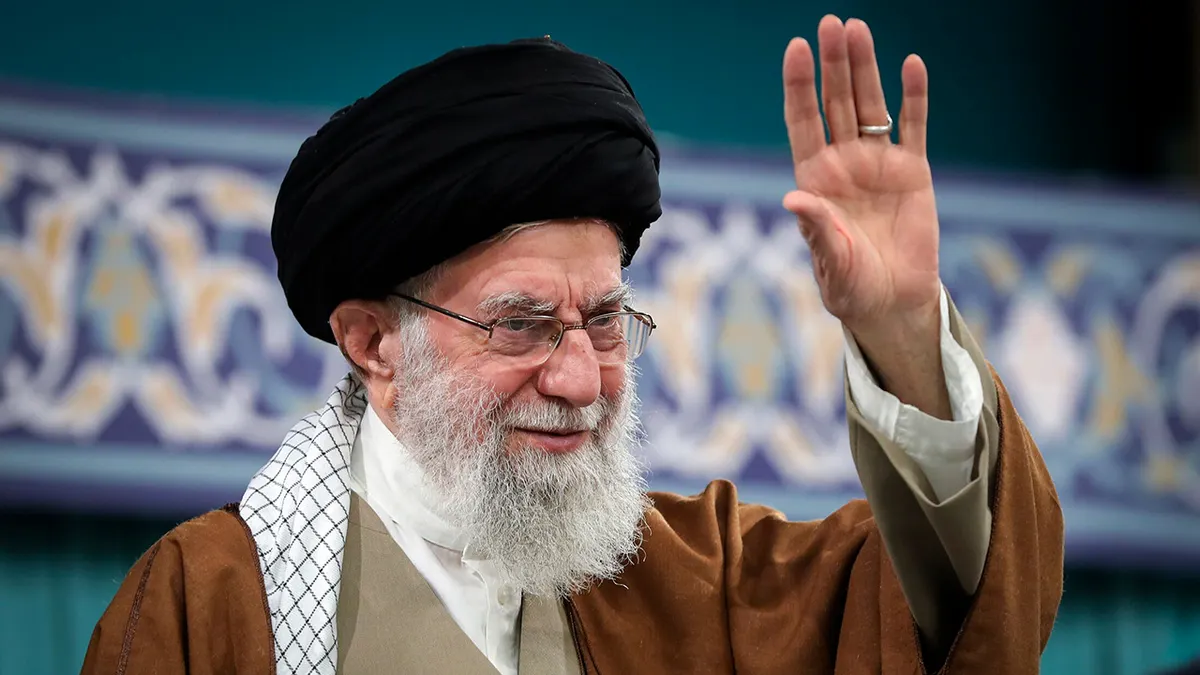
The passing of Iranian leader Ali Khamenei raises questions about its impact on Shia identity, as he is considered the first Shia cleric killed by a major state. This event marks a deep wound in the collective memory of Shia Muslims.
In their book "The Shia World: Paths in Tradition and Modernity," Zain Qasim and Brigitte Blumfield present a historical-anthropological approach to Shia memory and imagination. The book highlights the centrality of the Ahl al-Kisa in Shia literature, where they are regarded as symbols of suffering and loss. At the same time, the House of Sorrows is considered a fundamental axis in the Shia historical narrative.
Details of the Event
Accounts narrate that Ali ibn Abi Talib, after the death of the Prophet Mohammed, established the House of Sorrows in Baqqi as a refuge for Fatimah al-Zahra and her sons Hassan and Hussein, where they could express their grief away from the city. Fatimah al-Zahra is considered a symbol of motherhood in Shia Imamate, and she is also known by the title Lady of the House of Sorrows.
The forms of commemorating this mourning ritual among Shia vary, starting from the Iranian "Ta'ziyeh" which includes reenacting the martyrdom of Hussein, to the poetic expressions in South Asia. All these rituals embody a state of perpetual sorrow, where grief transforms into spiritual rites, poetry, and theater.
Background & Context
The history of Shia Muslims is filled with challenges, where the question of identity and community has been a focal point throughout the ages. In his book "History of the Shia," Kazem Yasin discusses how mourning for the "Imams of Guidance" unites Shia to this day. Henry Corbin considers that the principle of the Shia community is the fourth pillar of Shia doctrine, reflecting the spirituality of the community.
Historically, Shia Muslims have experienced periods of intellectual closure and openness, playing a role in the development of literature and thought. Through the book "Al-Kafi," which is considered the first attempt to institutionalize Shia belief, Shia identity as a community and sect was reinforced. Various historical periods, such as the Buyid and Safavid eras, contributed to shaping Shia identity.
Impact & Consequences
The death of Khamenei is regarded as a pivotal event in Shia history, expected to have a profound impact on Shia consciousness and their stance towards the international system. This event may revive the literature associated with the House of Sorrows, and Khamenei could be elevated to the ranks of the first and second martyrs in Shia memory.
Political and social transformations in Iran may lead to a reshaping of Shia identity, as Shia could be viewed as an opposing force to the international system. This shift might evoke past experiences, such as that of Sheikh Nasif al-Nasr, who was considered a symbol of Shia opposition in his time.
Regional Significance
The sudden passing of Khamenei may exacerbate instability in the region, as these events could be exploited by regional and international powers to achieve their interests. Additionally, the growing sentiments of grief and sorrow among Shia may strengthen their bonds, enhancing their position in facing challenges.
In conclusion, Khamenei's departure is an event laden with significant implications, not only for Shia Muslims but also for the entire region. How the Shia community will react to this event and the potential consequences for their future remain open questions that need answers in the current circumstances.