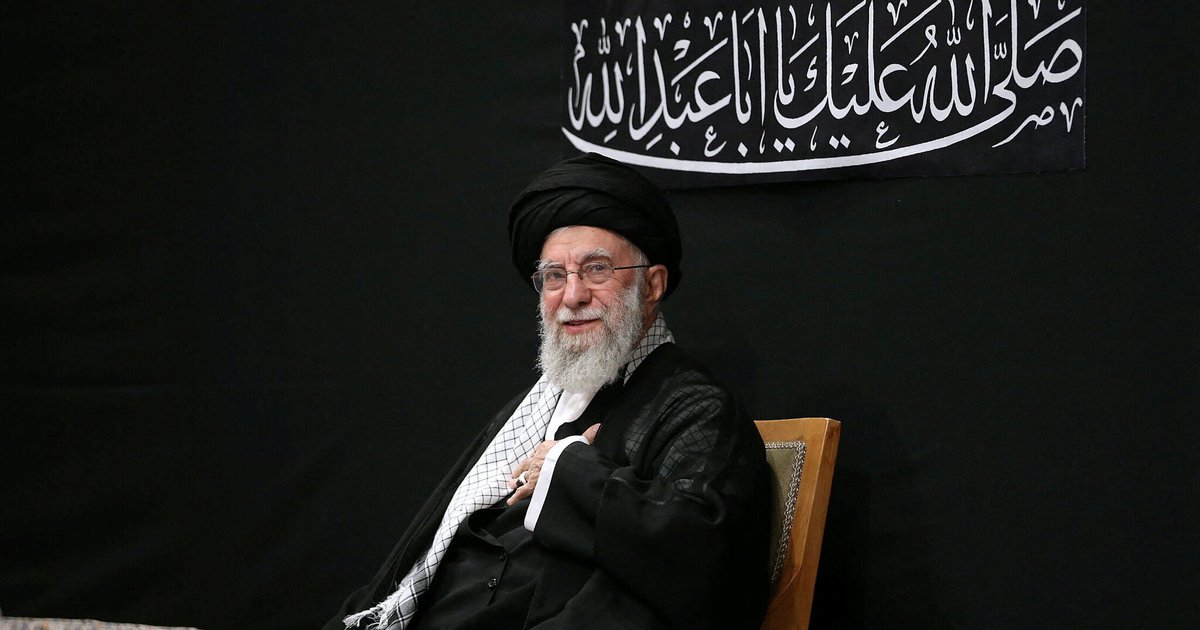
Iran's Supreme Leader, Ali Khamenei, expressed gratitude to the Iraqi people and the religious leadership in Iraq for their support during the war. This was stated during a meeting with several Iraqi religious and political figures, where Khamenei emphasized the importance of the historical relations between Iran and Iraq.
Khamenei pointed out that the support provided by the Iraqi people to Iran during the war had a significant impact on strengthening bilateral relations, considering that this support reflects the deep ties that bind the two peoples. He also stressed the necessity of continuing cooperation between the two countries in various fields.
Details of the Meeting
During the meeting, Khamenei reviewed some of the challenges that Iran has faced in recent years, indicating that Iraqi support played a prominent role in confronting these challenges. He also discussed the importance of enhancing economic and cultural cooperation between the two countries, especially in light of the current regional circumstances.
Khamenei called for the necessity of strengthening unity among the various sects in Iraq, emphasizing that this matter is essential for achieving stability in the region. He affirmed that Iran will always stand by Iraq in the face of any threats.
Background & Context
Historically, Iranian-Iraqi relations have undergone significant transformations, especially during the Iran-Iraq War that lasted from 1980 to 1988. During this period, there was mutual support between some Iraqi factions and Iran, contributing to the formation of current relations.
In recent years, relations between the two countries have improved significantly, especially after the fall of Saddam Hussein's regime in 2003. Iran has become a key player in Iraqi politics, raising concerns among some regional and Western countries.
Impact & Consequences
Khamenei's statements come at a sensitive time, as the region faces multiple security and political challenges. Strengthening relations between Iran and Iraq may affect the balance of power in the region, especially amid tensions with the United States and other Arab countries.
Moreover, Iran's support for Iraq could bolster its position in facing external pressures and increase its influence in the Iraqi political arena. This situation may lead to escalating tensions between Iran and countries that consider they have interests in Iraq.
Regional Significance
The Iranian-Iraqi relations are part of the larger picture in the Middle East, where Iran plays an important role in supporting certain factions in countries like Syria and Lebanon. This could impact regional stability and heighten sectarian tensions.
At the same time, strengthening relations between Iran and Iraq may prompt some Arab countries to reassess their policies towards Iraq, especially in light of the political changes occurring in the region.
In conclusion, Khamenei's statements reflect the importance of Iranian-Iraqi relations in the regional context and highlight the challenges facing the area. Given the current situation, the question remains about how these relations will affect Iraq's future and stability in the coming years.