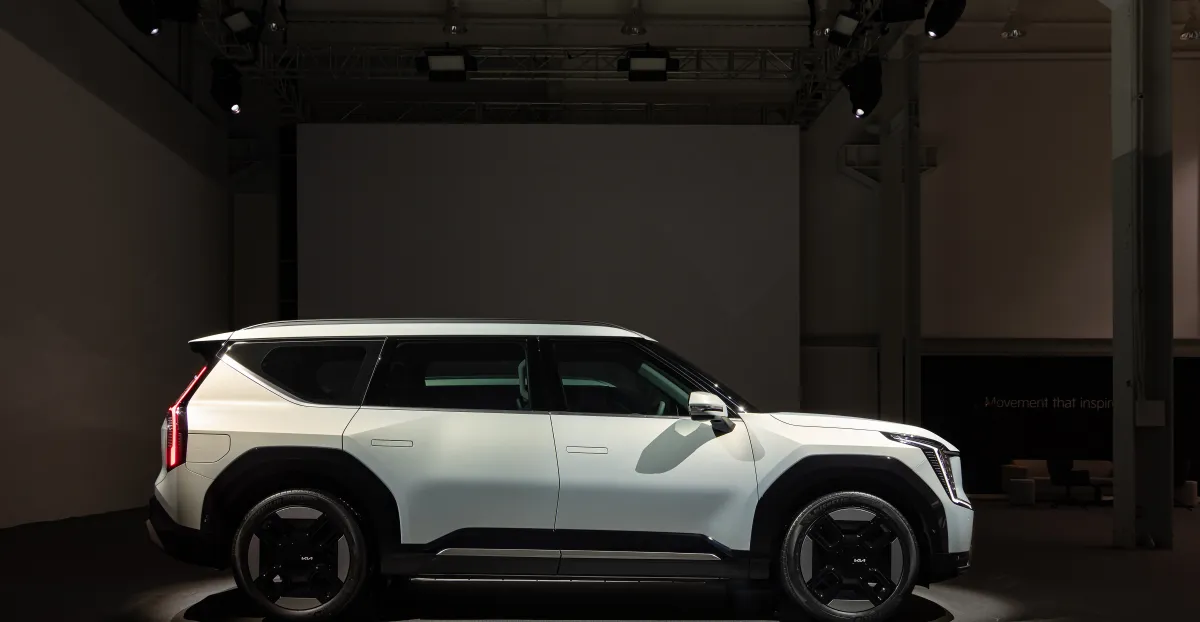
The Kia EV9, regarded as a leading model in the electric vehicle sector, is encountering serious issues related to its battery. Numerous users in the United Kingdom have reported their cars becoming inoperable due to faults in the 12-volt battery. This situation has raised widespread concern among vehicle owners, particularly with the delays in repair services.
In one instance, a car owner noted difficulty in opening his vehicle, which had completely stopped functioning. Although he had prepared for such situations, the issue was more significant than he anticipated. After several attempts, he managed to unlock the car using the manual key and accessed the battery to restart it.
Details of the Incident
Following software updates from Kia aimed at addressing the 12-volt battery issues, new problems began to emerge related to charging the main battery. Users observed that the car's charging would halt at a certain percentage, significantly reducing the vehicle's range. These issues were not isolated to a single user but were reported by many EV9 owners, indicating a potential design flaw in the battery.
One user, who documented his issue, discovered that his battery contained significantly less power than it should have. Inspection data revealed that the battery held only 71 kilowatt-hours, whereas it should have contained 99.8 kilowatt-hours. This discrepancy means the user was losing about 25% of the car's range, impacting his ability to use the vehicle for long trips.
Background & Context
The Kia EV9 is part of a global shift towards electric vehicles, as many manufacturers strive to meet the growing demand for eco-friendly vehicles. However, the technical problems that have surfaced with the EV9 highlight significant challenges faced by companies in this sector. In recent years, Kia and Hyundai, which operate under the Hyundai Motor Group, have encountered multiple issues related to charging control units, affecting the reputation of both brands.
Historically, Kia has experienced substantial growth in the electric vehicle market, but these problems could hinder its progress and affect consumer trust. With increasing competition in this sector, Kia must address these issues swiftly and effectively to maintain its market position.
Impact & Consequences
The repercussions of the EV9 battery issues extend beyond individual users, as they could impact Kia's reputation in the market. If these problems remain unresolved, consumers may lose trust in the brand, leading to a decline in sales. Additionally, the long delays in car repairs could result in customer dissatisfaction, negatively reflecting on the user experience.
Moreover, these technical issues could affect Kia's future plans to expand its electric vehicle lineup. With the rising demand for electric cars, Kia must be able to deliver reliable and efficient products to meet market needs.
Regional Significance
As interest in electric vehicles grows in the Arab region, these issues may affect Kia's plans to expand into Arab markets. Many Arab countries are seeking to promote the use of electric vehicles as part of their strategies to reduce carbon emissions. Therefore, any decline in Kia's reputation could impact its opportunities in these promising markets.
In conclusion, Kia must take urgent steps to address these issues to ensure customer satisfaction and maintain its market position. A swift and effective response from the company could restore trust in its brand and help it advance in the electric vehicle market.