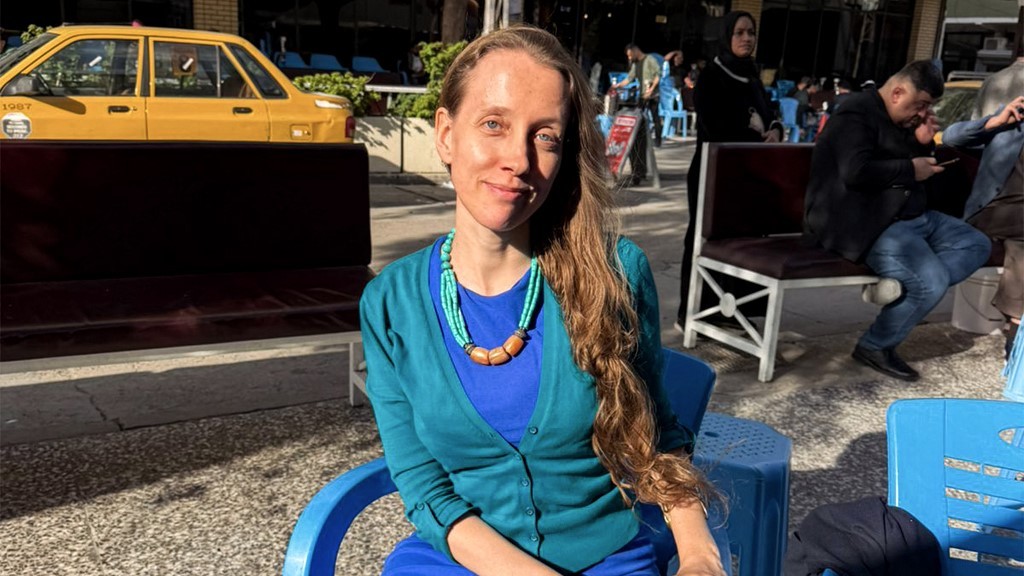
American-Italian journalist Shelley Ketlson was kidnapped in Baghdad on Tuesday by an armed group believed to be supported by Iran. The incident occurred on Saadoun Street in the heart of the Iraqi capital, where the kidnapping was documented by surveillance cameras.
Dylan Johnson, the U.S. Assistant Secretary of State for Public Diplomacy, announced via platform X that Iraqi authorities arrested an individual linked to the Hezbollah Brigades in connection with the incident. The U.S. State Department confirmed that it had warned Ketlson about risks to her safety and is working to secure her release as soon as possible.
Details of the Incident
Ketlson, who primarily works with The Monitor, had received several warnings about threats against her, including a warning on the evening of her kidnapping. After receiving reports about the incident, Iraqi authorities launched a search operation for the kidnappers, managing to intercept a vehicle believed to have been used in the kidnapping.
The Iraqi Ministry of Interior reported that security forces were able to arrest one suspect and recover one of the vehicles used in the crime. Efforts are ongoing to locate the remaining individuals involved and ensure the release of the kidnapped journalist.
Background & Context
Iraq has a long and complex history of kidnapping, where both local and foreign journalists often become targets of armed groups. Since the onset of the conflict in Gaza in October 2023, pressures on foreigners from countries supporting Israel have increased, heightening the risk of kidnapping.
The outbreak of the U.S.-Israeli war against Iran in February has further complicated the security situation in Iraq, prompting the United States to advise all its citizens to leave Iraq immediately. These circumstances make it difficult for journalists to operate freely and safely in the region.
Impact & Consequences
The kidnapping of Ketlson highlights the increasing dangers faced by journalists in Iraq and reflects the rising tensions in the region. This incident could impact press freedom and increase concerns among foreign journalists working in conflict areas.
Moreover, this incident demonstrates the urgent need to enhance protections for journalists and provide a safe environment for them, especially in conflict zones. International reactions to this kidnapping may also affect relations between Iraq and Western countries.
Regional Significance
This incident raises concerns across the Arab region, reflecting the challenges facing free journalism amid ongoing conflicts. The kidnapping of journalists can lead to reduced media coverage of significant events, affecting public awareness of vital issues.
In conclusion, the kidnapping of Shelley Ketlson serves as a stark reminder of the risks faced by journalists in conflict areas and should motivate the international community to work towards protecting press freedom and ensuring the safety of journalists.