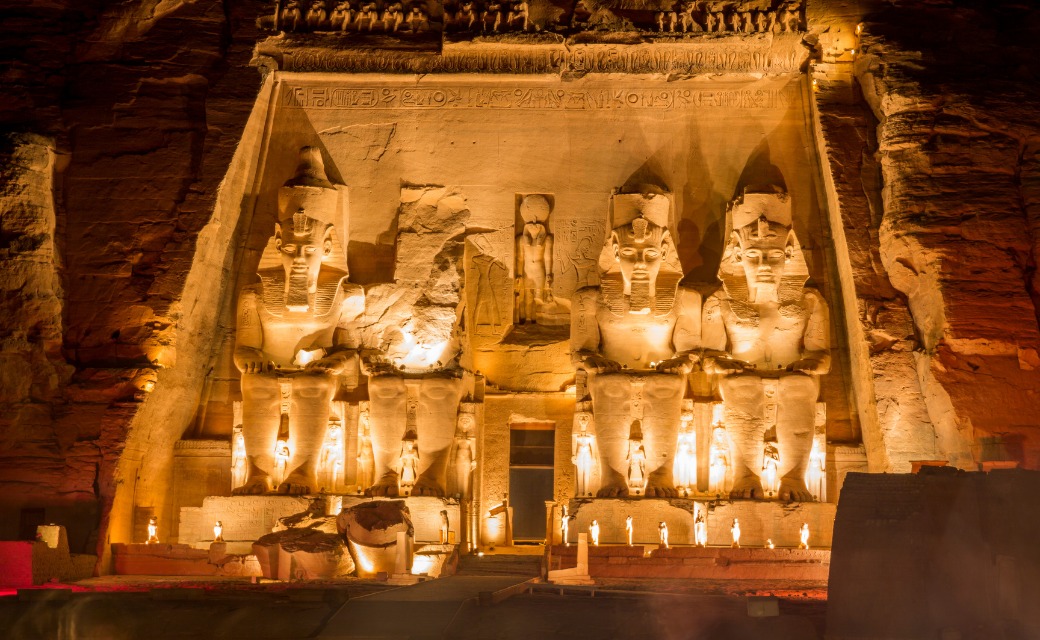
King Ahmed Fouad II visited the temples of Ramses II and Nefertari in Abu Simbel, expressing significant interest in the efforts made to preserve this rich cultural heritage. This visit comes at a critical time for Egyptian tourism, as the country seeks to enhance its status as a global tourist destination.
During the visit, the king listened to a detailed explanation about the history of the temples and their archaeological significance. The construction of the Ramses II temple dates back to the 13th century BC and is one of the most prominent tourist attractions in Egypt. The Nefertari temple, on the other hand, symbolizes love and loyalty between the queen and her husband.
Event Details
The visit included a tour inside the temples, where the king interacted with visitors and tour guides, reflecting his interest in promoting Egyptian culture. He emphasized the importance of preserving these historical landmarks to ensure their continuity for future generations.
The challenges facing tourism in Egypt were also addressed, including the need to improve infrastructure and provide more services for visitors. The king stressed the importance of cooperation between the government and the private sector to achieve these goals.
Background & Context
Historically, the Ramses II temple is considered one of the greatest temples built in ancient Egypt, symbolizing power and grandeur. Meanwhile, the Nefertari temple represents an aspect of royal life and reflects ancient Egyptian architectural art. These temples are not merely ruins; they are part of the Egyptian cultural identity.
In recent years, Egyptian tourism has faced significant challenges due to political and economic conditions. However, the Egyptian government is working diligently to restore the country's status as a leading tourist destination by organizing cultural events and promoting tourist attractions.
Impact & Consequences
The visit of King Ahmed Fouad II is part of the Egyptian government's efforts to enhance cultural tourism, as foreign tourists are considered an important source of national revenue. Focusing on historical landmarks like the Ramses II temple can help attract more visitors, benefiting the local economy.
This visit also reflects the commitment of the Egyptian leadership to preserve cultural heritage, enhancing the country's image abroad and encouraging investment in the tourism sector.
Regional Significance
Cultural tourism is a vital part of the economy in many Arab countries, contributing to fostering understanding between different cultures. Egypt's success in boosting its tourism can serve as a model for other Arab nations seeking to develop their tourism sectors.
In conclusion, King Ahmed Fouad II's visit to the temples of Ramses II and Nefertari represents an important step towards raising awareness of the significance of cultural heritage, affirming the vital role tourism plays in economic and social development in Egypt.