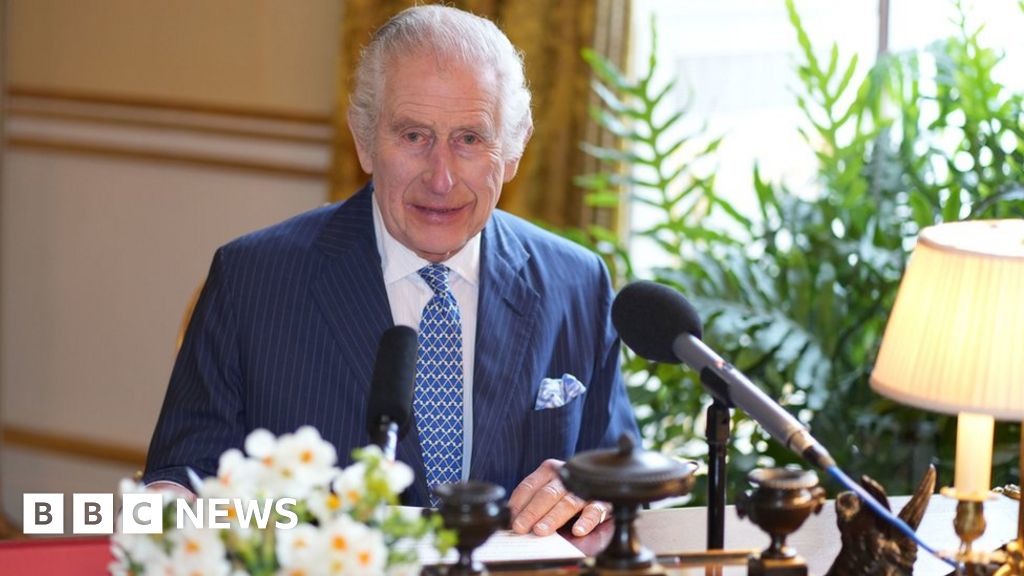
King Charles III and Queen Camilla participated in the annual Maundy service held at St Asaph Cathedral in North Wales, marking only the second time this service has been conducted in its over 800-year history. This occasion takes place on the last Thursday before Easter, commemorating the Last Supper and the importance of humility and serving others.
The celebration featured music composed by Welsh composers and musicians, adding a local flavor to the event. The Dean of St Asaph Cathedral, Nigel Williams, expressed his pride in hosting this service, hoping it would be a memorable experience for attendees.
Event Details
The first recorded Maundy service dates back to 1210 when it was established by King John, symbolizing the Last Supper of Jesus Christ, during which alms are distributed. On this occasion, the King presented gifts to 77 men and 77 women from Wales and other parts of the UK, honoring their outstanding Christian service and contributions to their communities.
The last Maundy service held in Wales was in 1982 in St Davids, making this occasion historically significant. Graham Davies, the Director of Mission in the Church in Wales, confirmed that hosting the service in North Wales for the first time is an extremely important event.
Background & Context
The Maundy service is part of British royal traditions that date back centuries, focusing on the values of service and humility. In recent years, these traditions have faced some challenges, especially with increasing calls to abolish the monarchy in the UK. Nevertheless, these celebrations continue to attract attention and maintain their cultural and religious significance.
This service coincides with other celebrations in the UK, as King Charles III seeks to strengthen the ties between the royal family and the people, particularly amid the social and political changes the country is experiencing.
Impact & Consequences
This service demonstrates how ancient traditions can adapt to modern times, bringing together people from various backgrounds to celebrate shared values. It also reflects the importance of charity and community contribution, enhancing the monarchy's image in the eyes of citizens.
Moreover, the presence of the King and Queen in Wales may be seen as a step towards promoting unity between England and Wales, especially in light of the political tensions that may arise from issues of independence and national identity.
Regional Significance
While this event may seem distant from the Arab region, it highlights the importance of cultural and religious traditions in fostering national identity. The lessons learned from these celebrations can be applied in Arab contexts, where traditions play a significant role in uniting communities and promoting values of cooperation and service.
In conclusion, such events remain a testament to the ability of traditions to stay alive and influential, reflecting the challenges and opportunities faced by communities around the world.