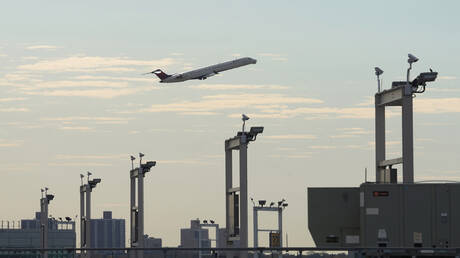
Korean Air, South Korea's largest airline, has announced the implementation of an emergency management system to address challenges arising from the sharp rise in fuel prices. This decision comes in light of ongoing regional conflicts impacting the airline industry.
Korean Air, one of the leading airlines in Asia, is striving to adapt to the rapid changes in fuel prices, which have been significantly affected by recent geopolitical events, including the ongoing conflict in the Middle East. Reports indicate that fuel prices have seen a notable increase, directly impacting operational costs.
Details of the Initiative
In an unprecedented move, Korean Air has decided to activate an emergency management system, similar to many local and global airlines, to tackle these challenges. This system includes a series of measures aimed at reducing costs and increasing operational efficiency. This decision comes at a highly sensitive time, as airlines face mounting pressures due to rising fuel prices.
The announced measures include reducing the number of flights to certain destinations, reviewing prices, and offering promotional deals to attract travelers. The company is also seeking to improve fuel efficiency by updating its fleet and utilizing new technologies.
Background & Context
Historically, the aviation industry has experienced significant fluctuations in fuel prices, often linked to global political and economic events. In recent years, conflicts in the Middle East have led to increased instability in oil markets, directly affecting fuel prices. Korean Air, like many other companies, has felt the impact of these changes on its operations.
Korean Air is considered one of the leading companies in the aviation industry, offering services to over 120 destinations worldwide. However, the current challenges place additional pressures on the company, necessitating swift and effective measures.
Impact & Consequences
This move is expected to affect the aviation sector as a whole, with other airlines potentially following suit to address economic challenges. This could lead to an increase in ticket prices, which may impact travel and tourism.
Additionally, these measures may reduce competition in the market, as smaller companies might be forced to close their doors or scale back operations. At the same time, larger companies may benefit from these circumstances to strengthen their market positions.
Regional Significance
The Middle East is one of the regions most affected by fluctuations in fuel prices, with many countries relying on oil revenues. Consequently, rising fuel prices could impact local economies and increase pressures on governments.
Airlines in the region may also face similar challenges, necessitating similar measures to ensure their sustainability. In this context, enhancing cooperation among Arab countries in the field of air transport may be essential to address these challenges.
In conclusion, Korean Air's decision to implement an emergency management system represents an important step in facing current challenges. As geopolitical conditions continue to influence fuel prices, companies must adapt to these circumstances to ensure the continuity of their operations.