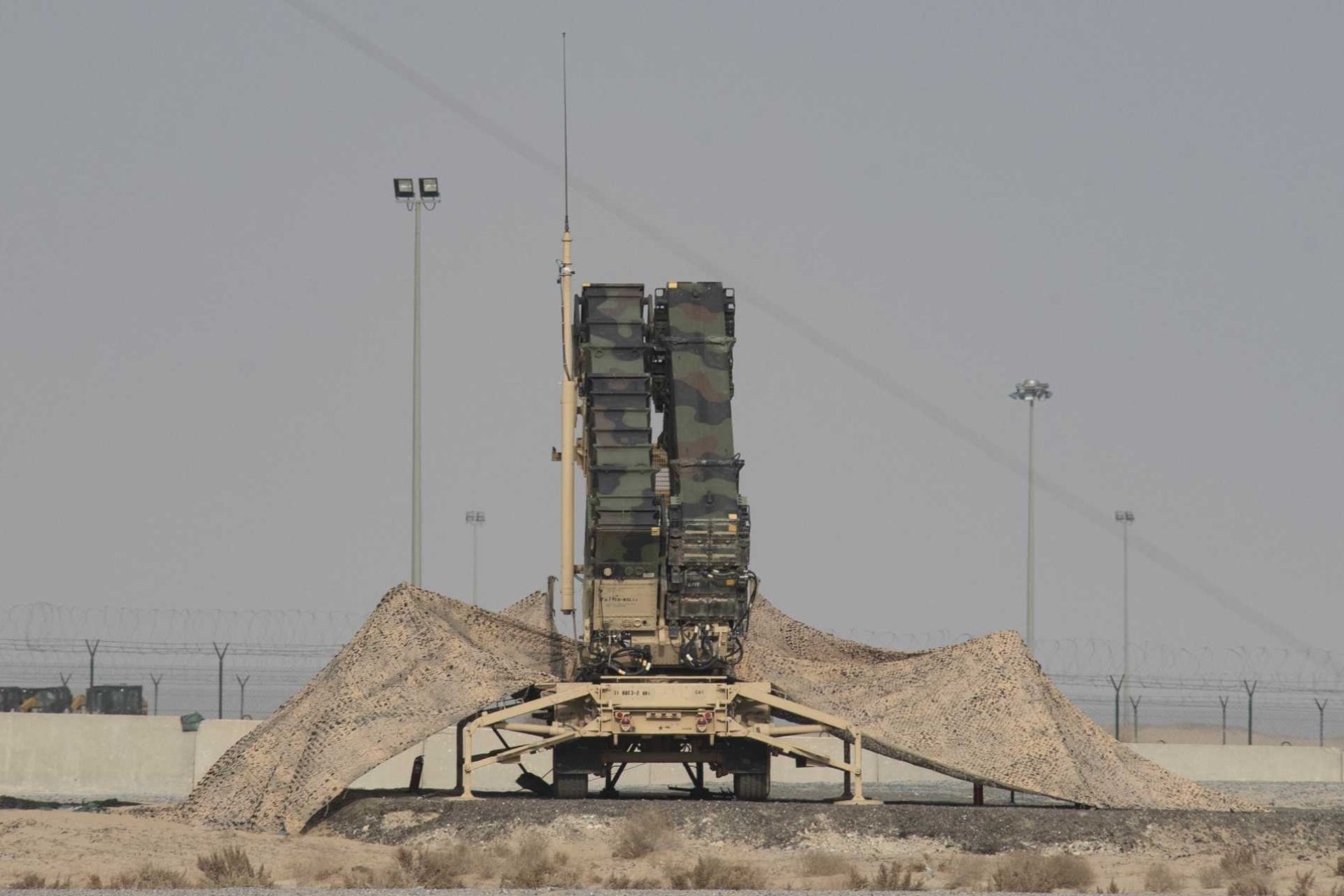
In a significant security development, Kuwait announced early Sunday that its air defenses successfully intercepted missile and drone attacks, reflecting a state of readiness against regional threats. This incident comes at a sensitive time when the region is experiencing heightened tensions, underscoring the importance of Kuwait's defensive capabilities.
These attacks are part of a series of security tensions in the Arabian Gulf region, where military activities and attacks targeting several countries have recently increased. By successfully countering these attacks, Kuwait has demonstrated its ability to protect its airspace and national security.
Details of the Incident
According to official reports, Kuwait's air defenses managed to intercept several missiles and drones that were targeting its territory. No reports of injuries or significant material damage have emerged as a result of these attacks, reflecting the effectiveness of the available defense systems. Security measures in the country have been enhanced to address any potential future threats.
These events occur amid escalating tensions between some countries in the region, raising concerns about the potential for military conflicts. Kuwait's response to these attacks illustrates its capability to safeguard its airspace and national security.
Background & Context
Historically, Kuwait has faced several security crises, particularly during the Iraqi invasion in 1990. Since then, Kuwait has worked to strengthen its defense capabilities, benefiting from international support and cooperation with its allies. This approach reflects Kuwait's recognition of the importance of regional security in light of increasing threats.
In recent years, the region has witnessed a surge in military activities, including drone and missile attacks, prompting countries to bolster their defenses. Kuwait is no exception, as it seeks to enhance its military capabilities and collaborate with other nations in this area.
Impact & Consequences
These attacks are seen as an indicator of rising tensions in the region and could lead to greater military escalation if the situation is not contained. These events may affect relations between countries in the region, necessitating further dialogue and security cooperation.
Kuwait's successful defense against these attacks may also strengthen its regional position, demonstrating its ability to defend itself against threats. This could encourage other countries to enhance their security cooperation with Kuwait, contributing to regional stability.
Regional Significance
The security events in Kuwait are part of a larger picture encompassing the Arab region, where tensions are increasing in several countries. These events could impact regional security, prompting Arab nations to work together to face common challenges.
In light of these circumstances, it is crucial for Arab countries to remain united in confronting threats and to enhance their defensive capabilities. Cooperation among Arab nations in this area could have a positive effect on security and stability in the region.
In conclusion, Kuwait's air defenses successfully intercepting missile and drone attacks underscores the importance of security vigilance in the face of threats. Amid rising tensions in the region, regional security remains a top priority, necessitating enhanced cooperation among Arab countries.