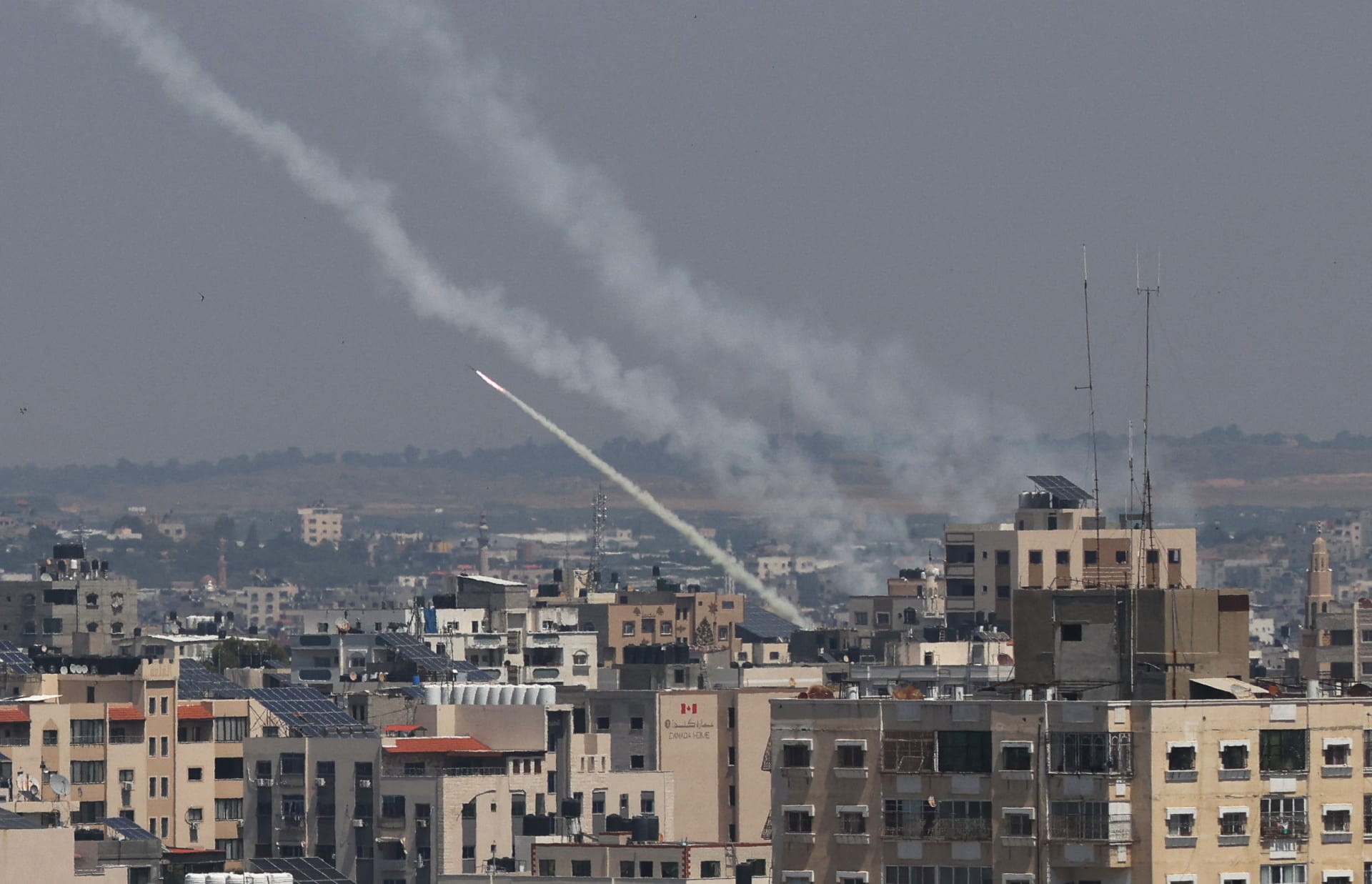
On Thursday, Kuwait's air defenses successfully thwarted hostile missile and drone attacks, showcasing the readiness of its armed forces in the face of security threats. This incident occurs amid rising tensions in the region, necessitating enhanced defensive capabilities for nations.
These attacks are part of a continuous escalation in the region, where military activities have increased due to tense political conditions. Reports indicate that Kuwait's air defenses were able to handle these threats effectively, reflecting the level of training and preparedness of the Kuwaiti armed forces.
Details of the Incident
According to official data, the hostile attacks were detected early Thursday morning, targeting Kuwaiti territory with drones and missiles. The Kuwaiti Ministry of Defense confirmed that the air defenses successfully repelled these attacks, preventing any damage or casualties.
These attacks come at a time when the region is experiencing a surge in military activities, with escalating tensions between some neighboring countries. The official spokesperson for the Ministry of Defense noted that the Kuwaiti Air Force is working to enhance its defensive capabilities to counter any future threats.
Background & Context
Historically, Kuwait has experienced numerous military tensions, especially during the Iraqi invasion in 1990. Since then, the Kuwaiti government has focused on strengthening its military capabilities and modernizing its air defense systems. In recent years, Kuwait has increased its investments in military technology, including advanced air defense systems.
Kuwait is part of regional and international military alliances, which bolster its defensive posture. However, the ongoing threats from armed groups and neighboring countries necessitate continuous vigilance and constant updates to military capabilities.
Impact & Consequences
These attacks are indicative of rising tensions in the region, which could affect regional stability. It is likely that these events will lead to increased military cooperation between Kuwait and other Gulf states, as countries seek to enhance their collective security.
The successful repulsion of these attacks reflects the strength of Kuwait's defenses, potentially boosting citizens' confidence in the government's ability to protect the country. At the same time, this escalation may increase political pressure on the Kuwaiti government to take more decisive actions against security threats.
Regional Significance
The recent events in Kuwait are part of a larger picture concerning regional security. Countries like Iraq, Syria, and Yemen are experiencing ongoing tensions and conflicts, complicating the security situation in the region. These attacks could heighten tensions among Arab nations, especially if perceived as part of a broader strategy aimed at destabilizing the region.
In conclusion, the recent events in Kuwait highlight the importance of enhancing the defensive capabilities of Arab nations, particularly amid tense conditions. The successful repulsion of hostile attacks reflects the strength of Kuwait's air defenses and reinforces its position as a supporter of regional security.