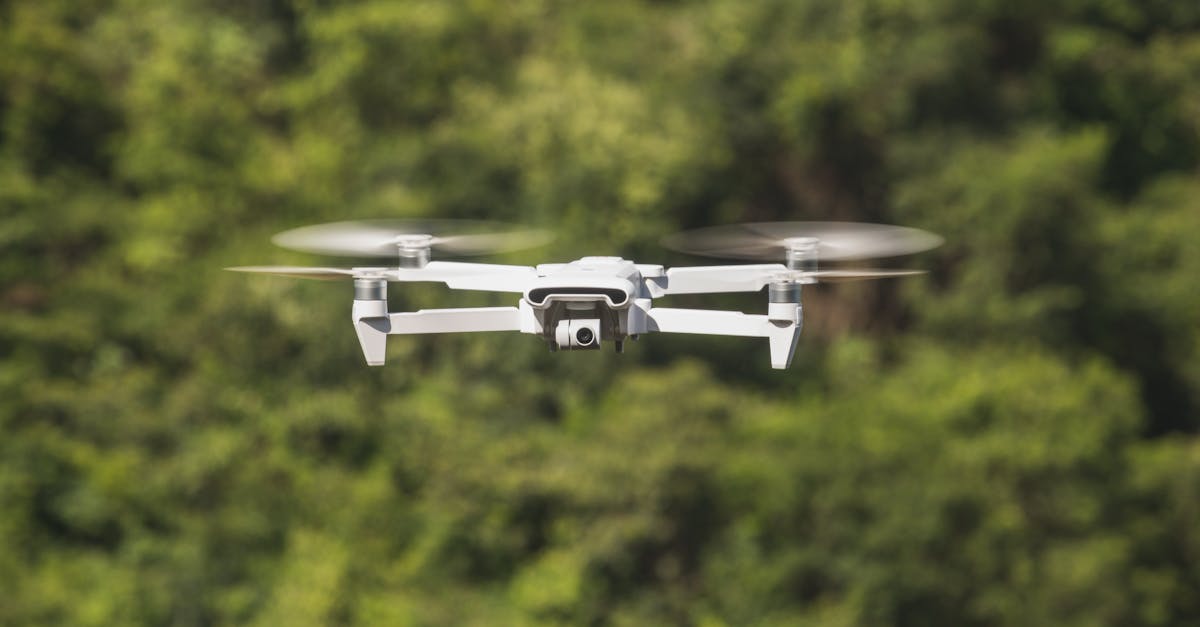
The Kuwaiti Army announced on Sunday the detection of several enemy drones in the country's airspace, indicating that necessary measures have been taken to address the situation. This action is part of efforts to enhance national security and maintain Kuwait's air sovereignty amid increasing regional threats.
This incident is part of the escalating tensions in the Gulf region, where Kuwaiti airspace has recently witnessed notable drone activity. The Kuwaiti Ministry of Defense has confirmed its readiness to confront any potential threats, reflecting its commitment to protecting national airspace.
Details of the Incident
In an official statement, the Kuwaiti Army reported that the drones were detected during routine aerial surveillance operations. Their locations were identified, and necessary measures were taken to ensure they did not breach Kuwaiti airspace. It was also emphasized that the Kuwaiti armed forces are working to enhance their defensive capabilities to counter any future threats.
These developments come at a sensitive time for the region, where relations between neighboring countries are experiencing increasing tensions. Experts have noted that the use of drones in military conflicts has become common, raising the need for advanced defensive systems.
Background & Context
Historically, the Gulf region has witnessed numerous military conflicts, with the use of drones being one of the prominent methods employed in these disputes. Kuwait, located at the heart of this troubled region, continually seeks to maintain its security and stability. In recent years, the Kuwaiti government has bolstered its military capabilities through the acquisition of modern equipment and the development of effective defense strategies.
Kuwait is among the countries that strive to maintain a balance of power in the region and has played a significant role in various diplomatic initiatives. However, the increasing threats from drones present a new challenge to national security.
Impact & Consequences
The detection of enemy drones could have significant implications for regional security. It may escalate tensions between neighboring countries, potentially affecting political and economic stability in the area. Additionally, this incident could prompt Kuwait to strengthen its military cooperation with allies, including the United States and other Gulf nations.
Moreover, the use of drones in conflicts may lead to changes in defense strategies among neighboring countries, necessitating a reassessment of military capabilities and security cooperation. This could contribute to creating a more tense environment in the region.
Regional Significance
This incident serves as a wake-up call for other Arab countries facing similar threats. These nations must enhance their defensive capabilities and security cooperation to address the growing challenges. Furthermore, this event may open the door for further discussions on the importance of cybersecurity and air defense in the modern era.
In conclusion, the situation in the region remains tense, and Arab countries must be prepared to face any emerging threats. Strengthening security cooperation and information sharing among nations will play a significant role in achieving security and stability in the region.