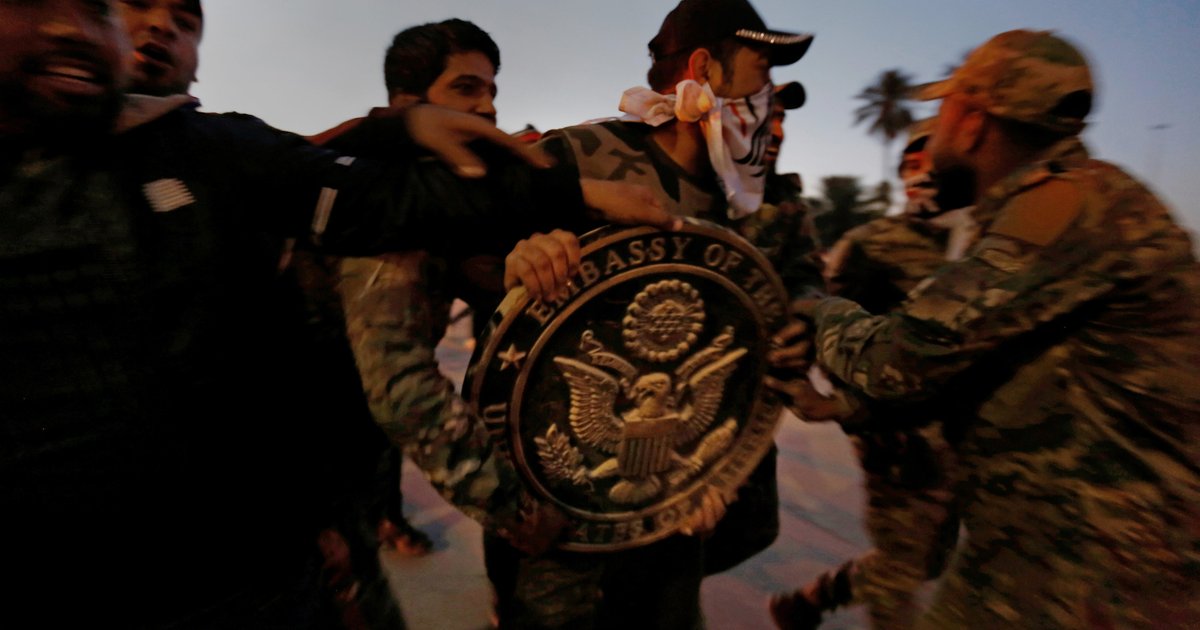
Kuwait's Ministry of Foreign Affairs expressed its strong condemnation and denunciation of the attack that targeted the consulate of the United Arab Emirates in Iraqi Kurdistan. The ministry, in its statement, emphasized the importance of protecting diplomatic missions and the necessity of respecting international laws that guarantee their security and safety.
The attack, which occurred in Erbil, the capital of the Kurdistan region, comes at a sensitive time when Iraq is facing multiple security and political challenges. Kuwait has shown solidarity with the UAE in confronting these assaults, calling on the international community to take a firm stance against such acts that threaten regional stability.
Details of the Incident
The attack on the UAE consulate took place late at night, where a group of assailants targeted the building, resulting in material damage. No reports of injuries among the consulate staff have been received. This attack reflects the rising security tensions in Iraq, where the country continues to suffer from the effects of internal conflicts and terrorism.
The UAE consulate in Erbil is considered one of the important diplomatic missions representing the UAE in northern Iraq, as it seeks to enhance bilateral relations with the Kurdistan region. The consulate was opened in 2016 as part of the UAE's efforts to support stability and development in Iraq.
Background & Context
Historically, Iraq has witnessed numerous attacks on diplomatic missions, especially in the years following the fall of Saddam Hussein's regime. These attacks have led to a deterioration of the security situation in the country, prompting many nations to reassess their diplomatic presence in Iraq.
Despite the relative stability of the Kurdistan region compared to the rest of Iraq, it remains susceptible to security risks, particularly from extremist groups. In recent years, there has been an increase in attacks targeting security forces and foreign interests, raising concerns about the future of security in the region.
Impact & Consequences
The attack on the UAE consulate may negatively affect relations between Iraq and Arab countries, especially given the urgent need to enhance security and economic cooperation in the region. It could also lead to increased tensions among the various political factions in Iraq, potentially impacting internal stability.
Furthermore, this incident may contribute to heightened concerns regarding the safety of diplomatic missions, which could prompt some countries to reduce their diplomatic presence in Iraq, affecting reconstruction and development efforts in the country.
Regional Significance
This attack comes at a time when the Arab region is facing increasing security and political challenges. Attacks on diplomatic missions affect relations between Arab countries and increase instability in the region.
This incident also highlights the importance of regional cooperation to address common security threats. The current situation requires a concerted effort among Arab countries to enhance security and stability and provide support to nations facing similar challenges.
In conclusion, the attack on the UAE consulate in Iraqi Kurdistan serves as evidence of the security challenges facing the region and underscores the urgent need to strengthen regional and international cooperation to protect diplomatic missions and ensure security and peace.