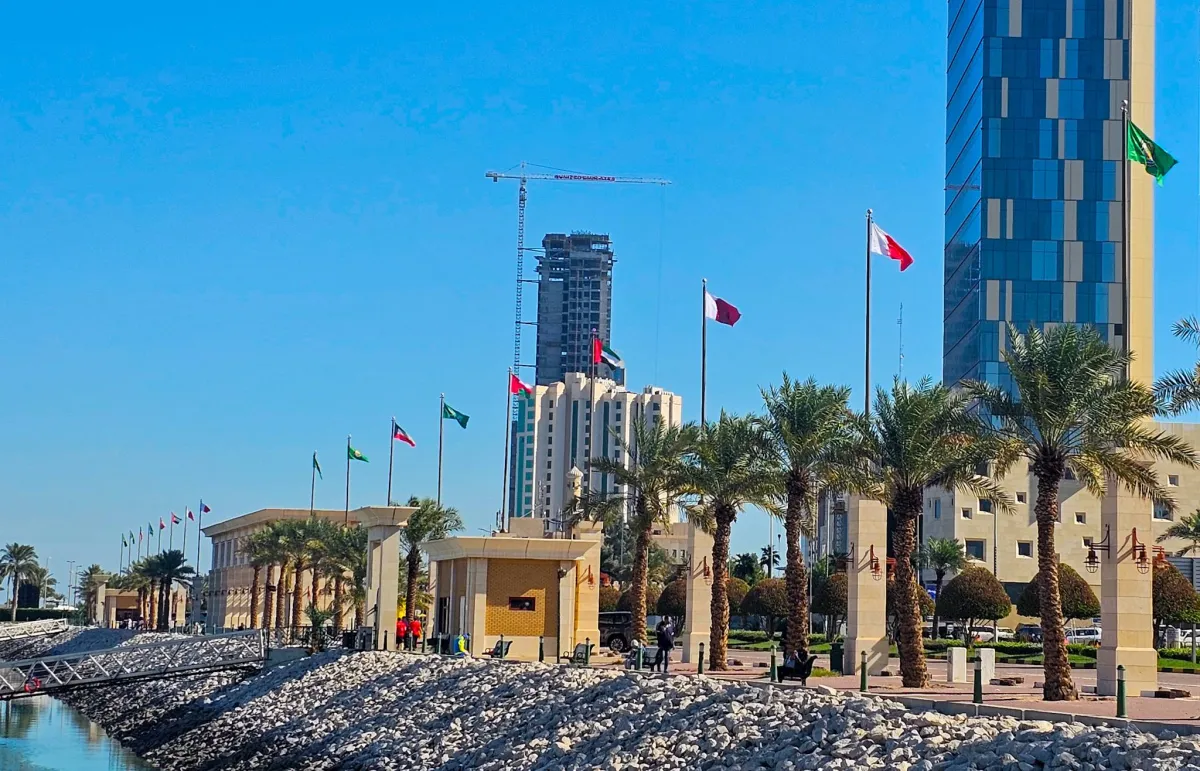
Kuwait has strongly condemned the Iranian attacks that targeted its territory with missiles and drones, emphasizing that these actions represent a serious escalation and a blatant violation of its sovereignty and security. This was stated in an official statement issued by the Kuwaiti Ministry of Foreign Affairs, which confirmed that these attacks threaten the lives of civilians and vital installations in the country.
As regional countries strive to reduce tensions, Kuwait considers these attacks to hinder diplomatic efforts aimed at achieving regional stability. The country has called for an immediate cessation of these aggressions, holding Iran fully responsible for its actions that constitute a blatant aggression against Kuwait's sovereignty.
Details of the Incident
These attacks come at a sensitive time, as Kuwait has witnessed an escalation in regional tensions. The Kuwaiti Ministry of Foreign Affairs has confirmed that the attacks represent a serious breach of international law and the United Nations Charter, stating that Kuwait reserves the right to take all necessary measures to defend its territory.
Saudi Arabia and the Gulf Cooperation Council countries have also condemned these attacks, with the Kingdom of Saudi Arabia emphasizing the necessity of respecting the sovereignty of nations and rejecting any attempts to threaten regional security. Qatar and the UAE expressed their solidarity with Kuwait, stressing the importance of working to de-escalate tensions in the region.
Background & Context
Historically, the relations between Kuwait and Iran have experienced multiple tensions, especially amid ongoing regional crises. Kuwait has always sought to maintain its security and stability, making these attacks a direct threat to its national interests.
These events coincide with international and regional efforts to reduce tensions in the area, complicating the situation further and reflecting the challenges Kuwait faces in preserving its sovereignty and security.
Impact & Consequences
These attacks are likely to escalate tensions in the region, potentially affecting overall regional security. Additionally, international reactions may play a role in shaping the Iranian stance, necessitating close monitoring by the international community.
These aggressions serve as a test of Kuwait's ability to protect its sovereignty and may impact Kuwaiti-Iranian relations in the future. The support of Gulf countries for Kuwait reflects a unified Arab stance in the face of external threats.
Regional Significance
These events highlight the importance of Arab cooperation in addressing security challenges. The escalation in relations between Kuwait and Iran could affect stability in other Gulf countries, necessitating a concerted effort to protect regional security.
In conclusion, Kuwait remains in a position that requires it to take decisive actions to safeguard its security, while the need for ongoing diplomatic dialogue persists to avoid further escalation.