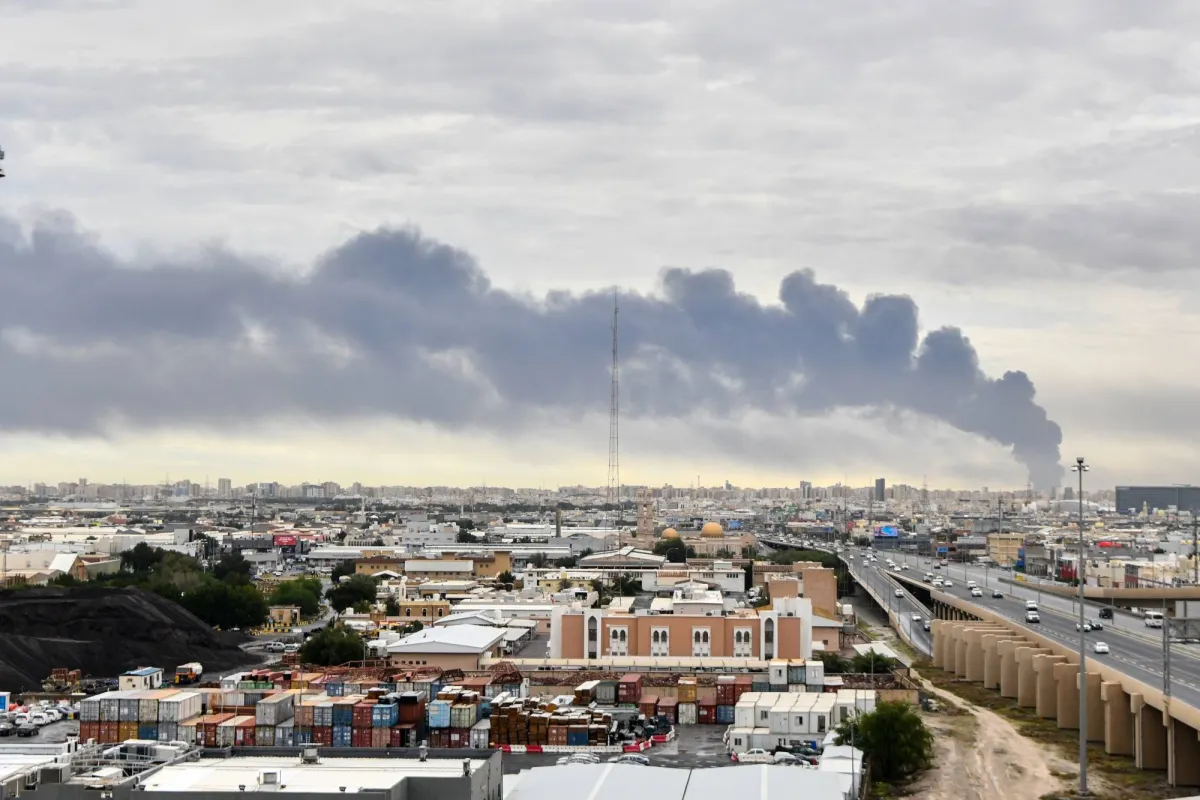
The Kuwaiti Ministry of Defense announced early Sunday that its military forces successfully intercepted several hostile drones that entered Kuwaiti airspace. Air defense units detected the targets immediately upon their entry, and necessary measures were taken to address the situation according to established protocols, reflecting Kuwait's commitment to protecting its sovereignty and security.
In an official statement, Colonel Saud Abdulaziz Al-Otaibi, the spokesperson for the Ministry of Defense, emphasized the full readiness of the armed forces to maintain the security of the nation and the safety of its citizens and residents. This step comes at a sensitive time marked by increasing tensions in the region, highlighting the importance of security vigilance.
Details of the Incident
This incident is part of a series of threats faced by Gulf countries, with military activities in the region increasing in recent years. The Ministry of Defense confirmed that addressing these threats is carried out according to well-studied strategies aimed at ensuring the safety of Kuwaiti airspace.
Colonel Al-Otaibi also noted that the Kuwaiti Air Force continuously works to enhance its defensive capabilities, stressing the importance of regional and international cooperation in confronting security threats.
Background & Context
Historically, Kuwait has experienced numerous security tensions, particularly given the volatile conditions in the region. Since the Iraqi invasion in 1990, Kuwait has become more aware of the importance of strengthening its defensive capabilities. Regional events, such as conflicts in Syria and Yemen, have contributed to heightened security awareness within the Kuwaiti government.
Kuwait seeks to maintain good relations with its neighbors, but it also recognizes the need to protect its sovereignty. This incident reflects the ongoing challenges Kuwait faces within a complex security context.
Impact & Consequences
This incident serves as an indicator of escalating tensions in the region and may affect relations between Kuwait and neighboring countries. These events could potentially lead to enhanced security cooperation among Gulf states, as all parties strive to confront common threats.
Moreover, this incident may impact foreign investments in Kuwait, as investors might feel concerned about the security situation. It is crucial for the Kuwaiti government to reassure investors by strengthening security and stability.
Regional Significance
The repercussions of this incident extend beyond Kuwait, reflecting the instability that the region faces as a whole. Such events may lead to increased tensions among Arab countries, necessitating dialogue and regional cooperation.
In light of these circumstances, Arab nations must work together to enhance security and stability, avoiding escalation that could lead to new conflicts. Security cooperation among Gulf states will be vital in addressing future challenges.
In conclusion, this incident underscores the importance of security vigilance in Kuwait and highlights the challenges the region faces. It is essential for Kuwait to remain prepared to confront any future threats while maintaining good relations with its neighbors.