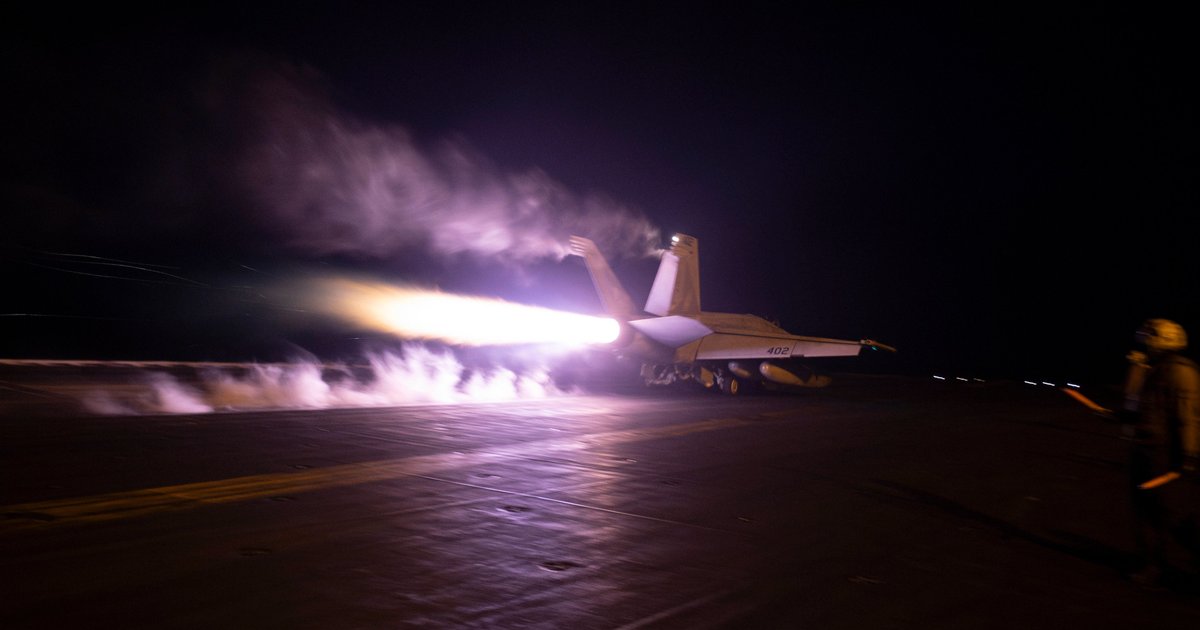
The Kuwaiti Ministry of Defense has announced the detection of 14 ballistic missiles and 46 drones over a span of just 24 hours, prompting questions regarding the security conditions in the Gulf region.
Official reports did not clarify the origin of these missiles and drones, but the incidents raise alarms about their potential use in possible conflicts. Kuwait, known for its stability in the region, may face new challenges that require swift responses from military authorities.
Details of the Detection
According to the Ministry of Defense's statement, these missiles and drones were detected as part of ongoing aerial surveillance operations utilizing advanced technologies. This comes after a series of military tensions in the region, including military exercises conducted by neighboring countries.
Officials from the Ministry of Defense emphasized the importance of enhancing the country’s defensive capabilities, indicating that these developments may necessitate additional measures to ensure the safety of Kuwaiti airspace, and that cooperation with allied nations will play a significant role in countering any potential threats.
Background & Context
Historically, the Arabian Gulf region has experienced ongoing tensions due to regional disputes and political conflicts. Kuwait, situated at the heart of this region, has often been a target for military threats, whether from armed groups or neighboring states. These recent events occur against the backdrop of escalating tensions between Iran and Arab nations, heightening fears of potential military escalation.
The geopolitical landscape in the Gulf has been marked by a complex interplay of alliances and rivalries, making the detection of such military assets particularly concerning. The implications of these findings could resonate beyond Kuwait, affecting regional stability and international relations.
Impact & Consequences
The detection of these missiles and drones could have significant repercussions for regional security, potentially prompting international or regional interventions. Furthermore, these developments may influence diplomatic relations between Kuwait and neighboring countries, bolstering public support for military efforts to protect the nation.
As Kuwait navigates these challenges, the government may need to reassess its defense strategies and engage more actively with international partners to ensure its sovereignty and security. The situation underscores the necessity for vigilance and preparedness in the face of evolving threats.
Regional Significance
The implications of these developments extend beyond Kuwait, as they reflect broader trends of military posturing in the Gulf. The detection of such military assets could signal a shift in the balance of power in the region, prompting neighboring countries to reevaluate their security policies.
In conclusion, the recent detection of ballistic missiles and drones highlights the precarious security situation in the Gulf and the need for ongoing monitoring and collaboration among nations to address these emerging threats effectively.