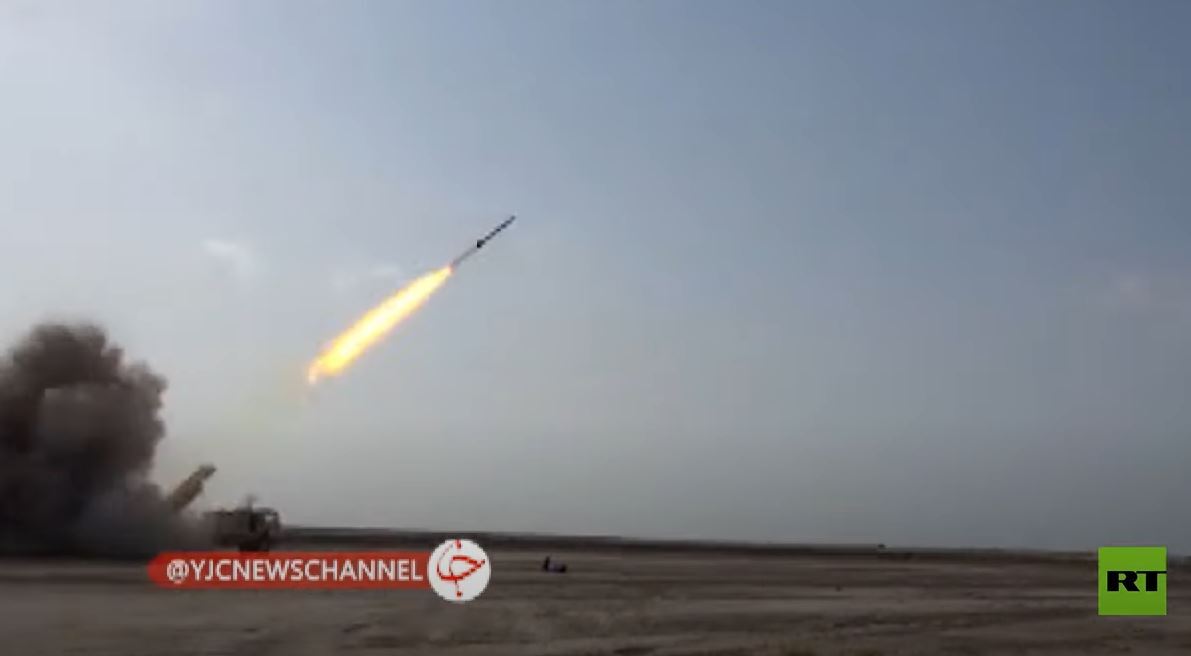
The Kuwaiti Ministry of Defense has reported that it detected 17 ballistic missiles and 13 drones within Kuwaiti airspace over the past 24 hours. This announcement comes at a sensitive time when the region is experiencing heightened military tensions, necessitating enhanced security measures.
This incident is part of a series of events that underscore the security challenges faced by Kuwait and Gulf countries in general. The Kuwaiti defense systems continue to operate efficiently to monitor any potential threats, reflecting the country's commitment to protecting its sovereignty and national security.
Details of the Detection
The Ministry of Defense clarified that the detection was carried out using advanced air defense systems, which continuously monitor Kuwaiti airspace. Necessary measures have been taken to address these threats, with military preparations being enhanced across various air bases.
It is noteworthy that Kuwait possesses an advanced air defense system, which includes sophisticated radars and advanced technological capabilities, enabling it to detect flying objects at long distances. This detection reflects Kuwait's ability to effectively deal with security threats.
Background & Context
These developments occur against the backdrop of escalating tensions in the Middle East, where military activities have increased in recent years. The region is witnessing multiple conflicts, including the war in Yemen and tensions between Iran and Gulf countries, which heightens the need to bolster defensive capabilities.
Kuwait, considered one of the stable countries in the region, seeks to maintain its security and stability amid these volatile circumstances. In recent years, there has been an increase in investments in the defense sector, reflecting a growing awareness of security threats.
Impact & Consequences
The detection of these missiles and drones could have significant implications for regional security. An increase in threats may lead to heightened tensions between countries, negatively impacting stability in the region. Additionally, these events may prompt countries to strengthen their military alliances and develop new strategies to address challenges.
Moreover, these incidents could affect the regional economy, as rising tensions may lead to a decline in foreign investments and tourism, impacting economic growth in Gulf countries.
Regional Significance
This incident serves as a reminder of the complexity of the security situation in the Arab region. Many Arab countries face similar challenges, necessitating regional cooperation to address these threats. Strengthening defense capabilities and military cooperation among Arab states may be essential to maintaining security and stability.
In conclusion, these developments highlight the importance of security vigilance and regional cooperation in facing increasing threats. Arab countries must work together to enhance their defense strategies and develop effective mechanisms to tackle security challenges.