The Kuwaiti Ministry of Defense reported that it has detected 7 ballistic missiles, 2 cruise missiles, and 26 drones, reflecting the escalating security tensions in the region. This announcement comes at a critical time when the area is facing multiple security and political challenges.
This information is part of Kuwait's efforts to enhance its national security and monitor potential threats. The ministry confirmed that these detections are in the context of the increasing challenges faced by countries in the region, especially amid ongoing crises in some neighboring countries.
Details of the Detection
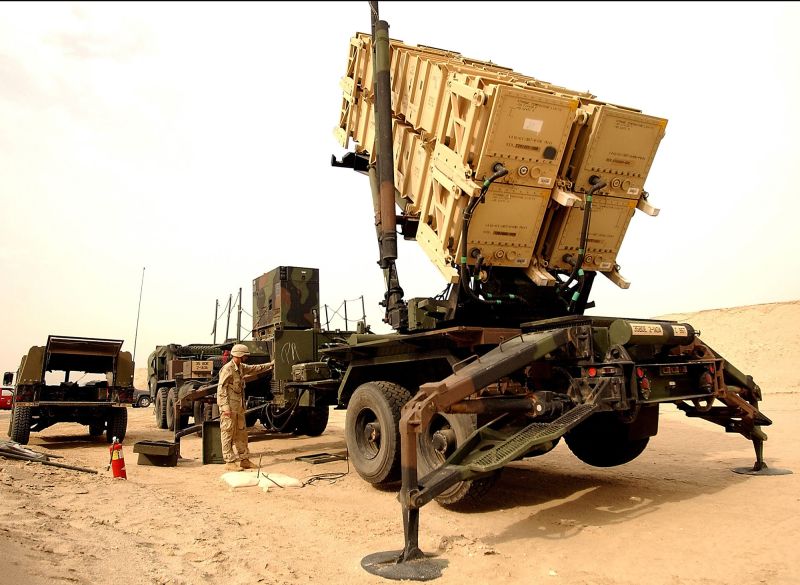
The Kuwaiti Ministry of Defense clarified that the detections were made through the advanced surveillance systems possessed by the country. The locations of the missiles and drones were accurately identified, showcasing the efficiency and capability of the Kuwaiti armed forces to address threats. The ministry also affirmed that it will continue to enhance its defensive capabilities to counter any potential threats.
In this context, some military experts indicated that these detections may be linked to the rising tensions in the region, particularly with ongoing conflicts in countries like Iraq, Syria, and Yemen. These developments could impact regional stability and heighten tensions between nations.
Background & Context
Historically, the Arabian Gulf region has witnessed numerous military tensions, especially with regional disputes and political conflicts. Kuwait, located at the heart of this region, has always been vulnerable to external threats. Recent events, including conflicts in Iraq and Syria, have heightened concerns about regional security.
Kuwait is also working to strengthen its military relations with major countries, reflecting its commitment to securing its borders and national interests. In recent years, there has been increasing military cooperation between Kuwait and Western nations, demonstrating its dedication to achieving security and stability in the region.
Impact & Consequences
These detections could lead to increased tensions between Kuwait and neighboring countries, especially if interpreted as direct threats. They may also affect diplomatic relations between Kuwait and other nations, necessitating diplomatic measures to ensure stability.
Furthermore, these events may enhance military cooperation among Gulf Arab states, as countries seek to bolster their collective security in the face of shared threats. We may witness new alliances or the strengthening of existing alliances in the region in the future.
Regional Significance
These detections are an indicator of rising security tensions in the Gulf region, which could affect overall regional stability. Any escalation in these tensions may lead to negative repercussions on security and the economy in the area.
Additionally, these events could impact trade and navigation in the Gulf, prompting concerned countries to take precautionary measures to ensure maritime safety. Under these circumstances, hope remains pinned on diplomacy to resolve disputes and achieve stability in the region.