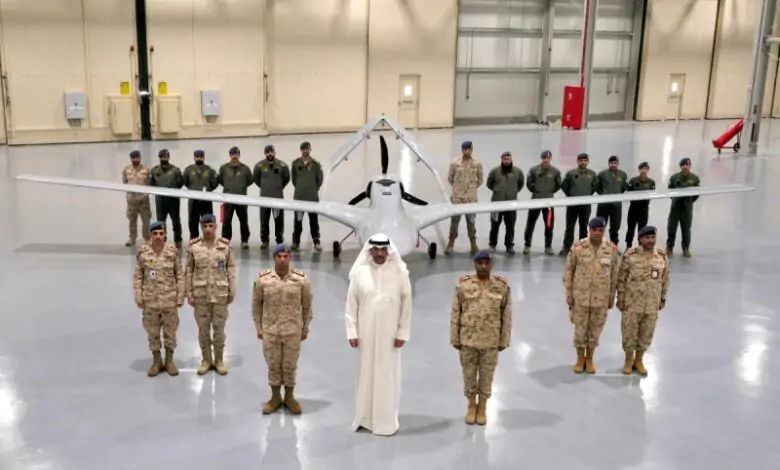
Kuwait has announced that it dealt with 15 hostile drones within a 24-hour period, reflecting a high level of preparedness to confront aerial threats. This announcement comes at a time when the region is experiencing increasing tensions, raising concerns about regional security.
This step is part of Kuwait's efforts to enhance its air defenses, especially in light of the growing security challenges faced by countries in the region. Reports indicate that the drones were targeting sensitive areas, necessitating swift and effective responses from the Kuwaiti armed forces.
Details of the Incident
In detail, Kuwaiti military sources reported that the drones being dealt with had approached Kuwaiti airspace, prompting immediate action. Advanced air defense systems were utilized to intercept these drones, showcasing Kuwait's capability to protect its airspace.
These operations are part of a broader effort to strengthen military cooperation between Kuwait and other countries in the region, as Kuwait seeks to develop its defensive capabilities to address increasing threats. The Kuwaiti armed forces have demonstrated high efficiency in dealing with these threats, boosting citizens' confidence in their ability to protect the nation.
Background & Context
Historically, Kuwait has faced numerous security tensions, particularly during the Iraqi invasion in 1990. Since then, Kuwait has worked to enhance its military capabilities and develop its air defense systems. In recent years, threats from armed groups and drones have increased, prompting Kuwait to take proactive steps to safeguard its national security.
Drones are considered a modern threat faced by many nations, as they can be used for reconnaissance or direct attacks. Therefore, developing air defense systems is vital to ensure the safety of Kuwaiti airspace.
Impact & Consequences
The implications of this incident extend beyond Kuwait itself, potentially affecting regional security as a whole. With rising tensions in the area, other countries may seek to bolster their defensive capabilities, leading to a possible arms race. This could exacerbate tensions between nations and impact regional stability.
Moreover, effective handling of drones reflects Kuwait's ability to protect its national interests, which may enhance its position in international forums. This step could also encourage other countries in the region to take similar measures to bolster their security.
Regional Significance
In a broader context, this event reflects the security challenges faced by Arab nations amid the multiple crises affecting the region. With increasing threats from armed groups and the use of modern technology in conflicts, Arab countries must enhance their security cooperation and develop effective strategies to address these challenges.
Strengthening Kuwait's defensive capabilities can serve as a model for other Arab nations, contributing to improved regional security and stability. Additionally, cooperation among Arab countries in defense can help address common threats.
In conclusion, these events highlight the importance of enhancing the defensive capabilities of nations in the face of increasing threats. Arab countries must work together to ensure their security and stability amid the changing circumstances in the region.