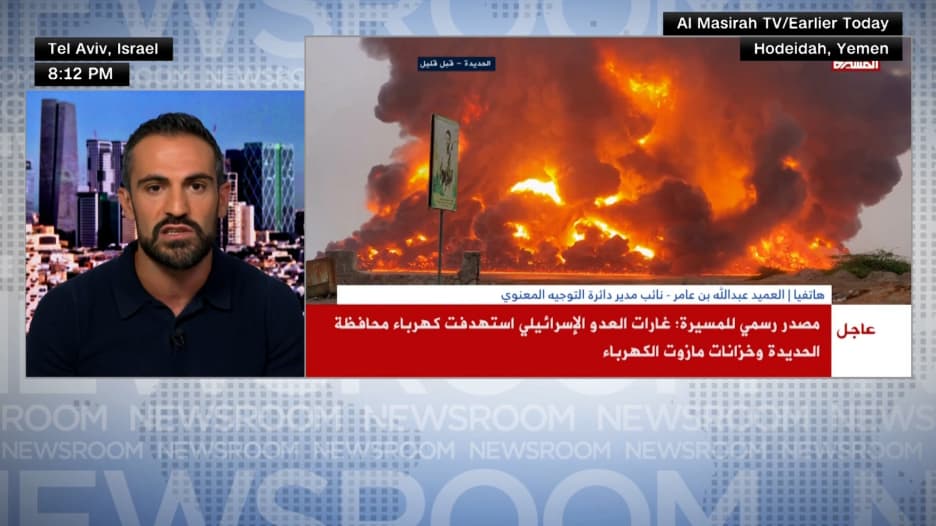
On Friday morning, Kuwait and the UAE reported missile and drone attacks as the Israeli-American war on Iran entered its twenty-eighth day. The Kuwaiti army confirmed that air defenses intercepted these attacks, indicating that the sounds of explosions heard in the skies were a result of thwarting the hostile assaults.
As regional tensions escalate, the Kuwaiti National Guard noted that the armed forces are on high alert to confront any future threats. These events come amid a rapid escalation of military activity in the region, raising concerns about the implications of the conflict on regional security.
Details of the Incident
The Kuwaiti army stated in its announcement that the air defenses successfully repelled missile and drone attacks, reflecting the armed forces' capability to protect Kuwaiti airspace. Reports of explosions were confirmed to be the result of successful interceptions of the attacks. This defensive action comes at a highly sensitive time, as tensions in the region rise due to the ongoing conflict between Israel and Iran.
On the other hand, the UAE also confirmed that it faced similar attacks, highlighting the increasing risks faced by Gulf countries amid escalating regional conflict. These attacks suggest that the struggle may extend beyond traditional borders, placing countries in the region on high alert.
Background & Context
Historically, the region has witnessed ongoing tensions due to regional conflicts, particularly between Iran and Israel. The current conflict is a result of escalating tensions between the United States and Iran, with both nations seeking to enhance their influence in the region. Since the onset of the war, Kuwait and the UAE have been among the countries feeling direct threats, prompting them to bolster their air defenses.
Political and economic shifts in the region, coupled with military tensions, make it difficult to predict the future of stability in the Gulf. This situation necessitates Arab countries to cooperate and coordinate to address the increasing security challenges.
Impact & Consequences
The repercussions of these attacks could be far-reaching, potentially leading to a greater escalation in regional conflict. If these attacks persist, Gulf countries may be compelled to take more severe military actions, which could result in a broader conflict in the region. Additionally, these events may impact the global economy, particularly in the energy and trade sectors.
Moreover, these attacks could heighten tensions between major powers in the region, reflecting the instability that could affect international relations. The escalation of conflict may also lead to an influx of refugees and increased humanitarian crises in the area.
Regional Significance
Recent events indicate that regional security is at risk, necessitating Arab nations to enhance security cooperation. These attacks may prompt a reassessment of defense strategies among Arab countries, especially those located in tense areas. Furthermore, the situation could affect relations between Arab nations and Iran, complicating the political landscape in the region.
In conclusion, the situations in Kuwait and the UAE remain under close observation, with expectations that tensions will continue to rise. It is crucial for Arab nations to take effective steps to ensure security and stability in the region and address the root causes of the conflict.