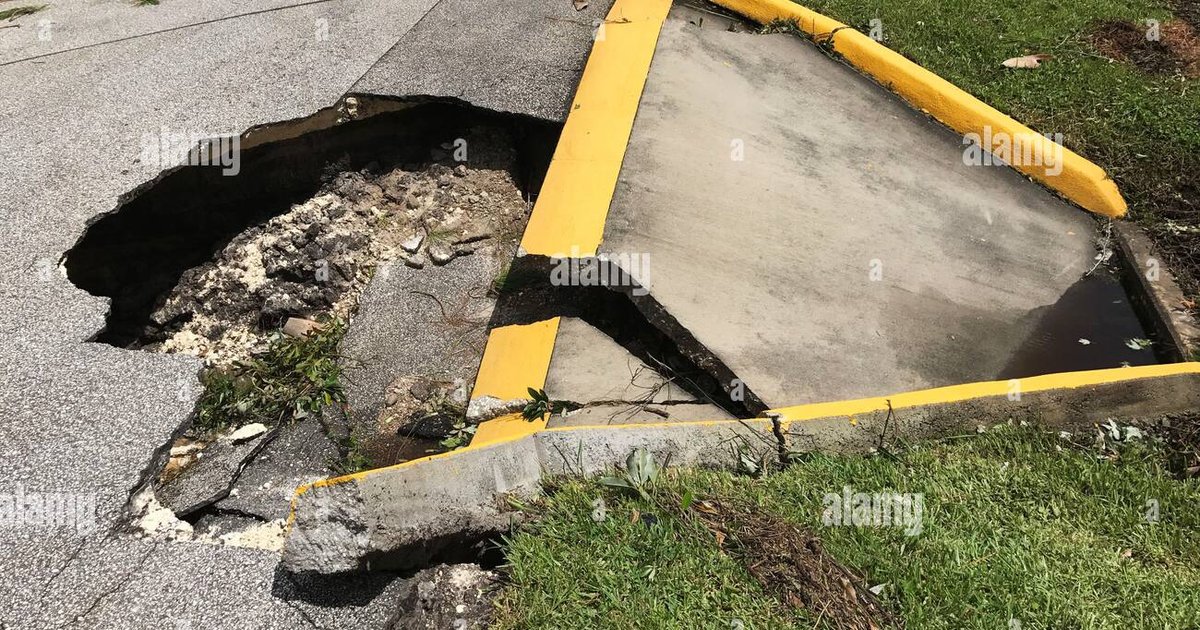
A significant land subsidence has been observed in the Giza area of Egypt at the beginning of the July 26 axis, with a depth of 5 meters. This subsidence is a result of the heavy rains that have fallen on the region over the past few days. The incident has led to a partial closure of the axis, significantly affecting traffic flow.
This phenomenon comes at a time when the country is experiencing severe climatic fluctuations, with meteorological reports indicating heavy rainfall in several areas, leading to water accumulation in the streets and infrastructure problems.
Details of the Incident
The intense rainfall has caused soil erosion beneath the road surface, resulting in this sudden subsidence. Reports indicate that emergency teams are working to assess the damage and carry out necessary repairs to ensure the safety of citizens. Police units have also been deployed to manage traffic and direct drivers to alternative routes.
Local authorities have confirmed that they will conduct comprehensive inspections of the infrastructure in the area to prevent such incidents from occurring in the future. Plans have also been announced to upgrade the sewage network in Giza, which has been facing significant challenges in handling large amounts of water during rainfall.
Background & Context
Heavy rains in Egypt are a seasonal phenomenon, but in recent years, they have become more intense, affecting many regions. The land subsidence on the July 26 axis is not the first of its kind, as the country has witnessed similar incidents in past years, raising concerns about the infrastructure's ability to cope with changing climatic conditions.
Historically, Egypt has faced challenges in water management, especially in urban areas. With the increasing population and urban expansion, it has become essential to improve sewage systems and infrastructure in general.
Impact & Consequences
The land subsidence on the July 26 axis could significantly impact traffic in Giza, leading to delays in commuting and increased congestion. This incident may also raise citizens' concerns about road safety and the overall state of infrastructure.
Moreover, this incident could increase pressure on the Egyptian government to provide quick and effective solutions to infrastructure problems, especially amid the economic challenges facing the country.
Regional Significance
Infrastructure issues resulting from climate change are a widespread concern affecting many Arab countries. With the increasing severity of rains and floods in some regions, it is crucial for countries to adopt effective strategies to adapt to these changes.
Incidents like the land subsidence in Giza highlight the need for improved urban planning and the development of sewage systems in Arab cities to ensure citizen safety and reduce potential risks.
In conclusion, the land subsidence on the July 26 axis serves as a reminder of the urgent need to enhance infrastructure in Egypt, particularly in light of increasing climatic changes. Authorities must take immediate action to ensure citizen safety and prevent such incidents in the future.