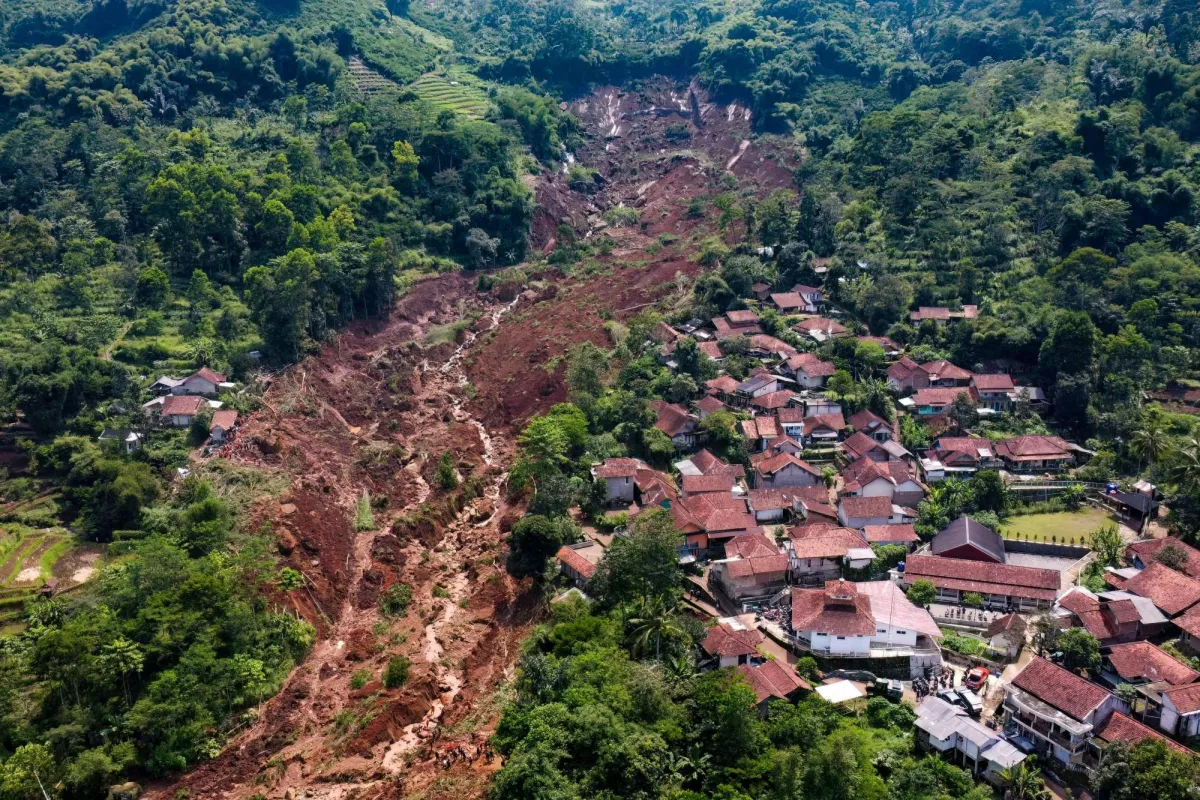
At least 20 people have died due to landslides caused by heavy rainfall in southern Tanzania, local authorities announced on Thursday. This disaster comes at a time when the East Africa region is experiencing heavy rains that have resulted in the deaths of 81 people and the displacement of thousands in neighboring Kenya this month.
In detail, the heavy rains accompanied by strong winds caused landslides that destroyed many homes in the Mbeya region, where the disaster occurred. According to Jafar Haniu, the district commissioner of Rungwe, 18 bodies were found on Wednesday and two more on Thursday. Among the victims was a one-and-a-half-year-old child, which adds to the tragedy of the incident.
Details of the Incident
Haniu informed reporters that the death toll may rise, urging residents to take necessary precautions amid forecasts of more rain. He also urged residents in landslide-prone areas to evacuate their homes to protect themselves from potential dangers. The Tanzanian Meteorological Authority has predicted heavy rainfall across most of the country until next Tuesday, raising fears of a repeat of the disaster.
This incident comes at a time when many African countries are suffering from the effects of climate change, with some areas experiencing increased rainfall while others face drought. These extreme weather phenomena place additional pressure on local governments and communities, necessitating a swift and effective response.
Background & Context
Historically, Tanzania and the East Africa region have witnessed numerous natural disasters, including floods and landslides. These events are often linked to rainy seasons, which are themselves affected by global climate changes. In recent years, the intensity of these phenomena has increased, raising concerns among experts about the ability of countries to adapt to these changes.
Landslides are common natural hazards in mountainous areas, where heavy rains lead to soil erosion and an increased likelihood of sliding. In Tanzania, many regions suffer from inadequate infrastructure, which heightens the risk of natural disasters.
Impact & Consequences
This incident underscores the urgent need to improve risk management strategies in Tanzania and East African countries. Governments must enhance infrastructure and develop effective emergency plans to deal with natural disasters. There is also a need to raise awareness among residents about the risks of landslides and how to act in emergencies.
This disaster is expected to significantly impact the local community, as many families have lost their homes and loved ones. The government will need to provide support and assistance to those affected, which may place additional strain on local resources.
Regional Significance
Natural disasters such as landslides and floods are common challenges facing many countries, including Arab nations. In light of climate change, Arab countries may also face similar risks, necessitating a swift and effective response. This incident could serve as a lesson for Arab nations on how to manage natural disasters and plan for future challenges.
In conclusion, this disaster in Tanzania highlights the need for enhanced regional and international cooperation to address climate and natural challenges. There must be joint efforts to develop effective strategies to protect communities from potential risks.