As the deadline set by President Donald Trump approaches, leaks have revealed exciting developments in the negotiations between Washington and Tehran. Iranian leader Ali Khamenei has directed his negotiators for the first time since the outbreak of war towards seeking to finalize an agreement.
The Axios website reported from Israeli and regional officials that an unexpected diplomatic momentum has begun to form behind the scenes, despite Trump's public threats of "total annihilation." The site noted that even those close to Trump were unaware of the direction things would take until the announcement of a ceasefire.
Details of the Event
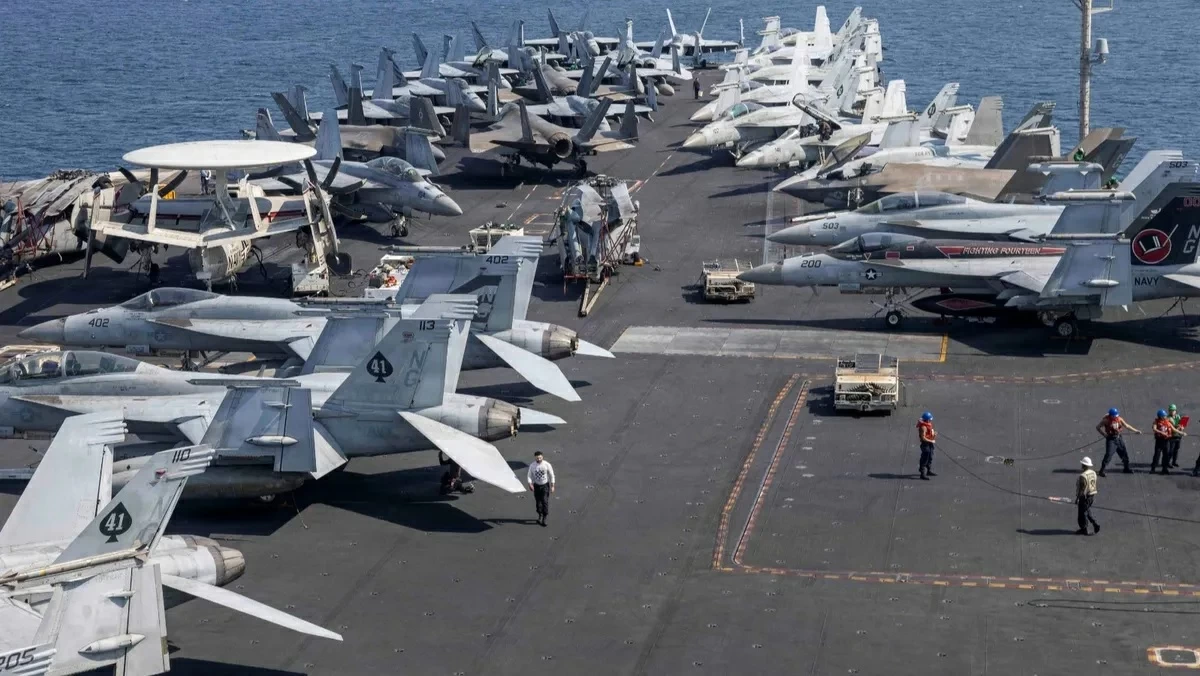
In the hours leading up to the announcement of the truce, U.S. forces in the Middle East and the Pentagon were preparing to launch a wide-ranging bombing campaign against infrastructure in Iran. A defense official confirmed that the situation was chaotic, and there was no clarity about what would happen next.
According to the account from Axios, which relied on 11 informed sources, U.S. allies in the region were preparing for an unprecedented Iranian response, while some civilians in Iran fled their homes to avoid potential U.S. strikes.
On Monday morning, while Trump interacted with attendees during an Easter celebration at the White House, envoy Steve Biegun was making intensive calls, describing Iran's 10-point proposal as "catastrophic," leading to a chaotic day of amendments.
Background & Context
These developments coincided with intense diplomatic efforts by Pakistani mediators, as new drafts were exchanged between Biegun and Iranian Foreign Minister Abbas Araghchi. The foreign ministers of Egypt and Turkey also contributed to attempts to bridge the gaps between the two sides.
By Monday evening, the mediators had secured U.S. approval for an updated proposal for a two-week ceasefire. The decision rested with Khamenei, who was directly involved in the process, as his participation depended on conveying messages through intermediaries.
Impact & Consequences
Despite the notable progress in negotiations, Trump issued his most alarming threat on Tuesday morning, stating, "A whole civilization will die tonight." This threat raised widespread concern, with some U.S. media reporting that Iran had withdrawn from the talks, but other sources confirmed that diplomatic momentum continued.
By 12:00 PM Eastern Time, there was a general realization that the parties were nearing a two-week truce. Three hours later, Pakistani Prime Minister Shahbaz Sharif published the terms of the agreement on the platform X, urging both sides to accept them.
Regional Significance
Attention is now focused on the potential reactions from Trump's allies, as he received calls and text messages urging him to reject the agreement. However, Trump made calls to Netanyahu and the Pakistani army chief to finalize the agreement, reflecting the importance of these negotiations in the region.
In conclusion, Araghchi confirmed Iran's commitment to the ceasefire and the opening of the Strait of Hormuz to ships, highlighting the significance of this moment in the history of Iranian-American relations.