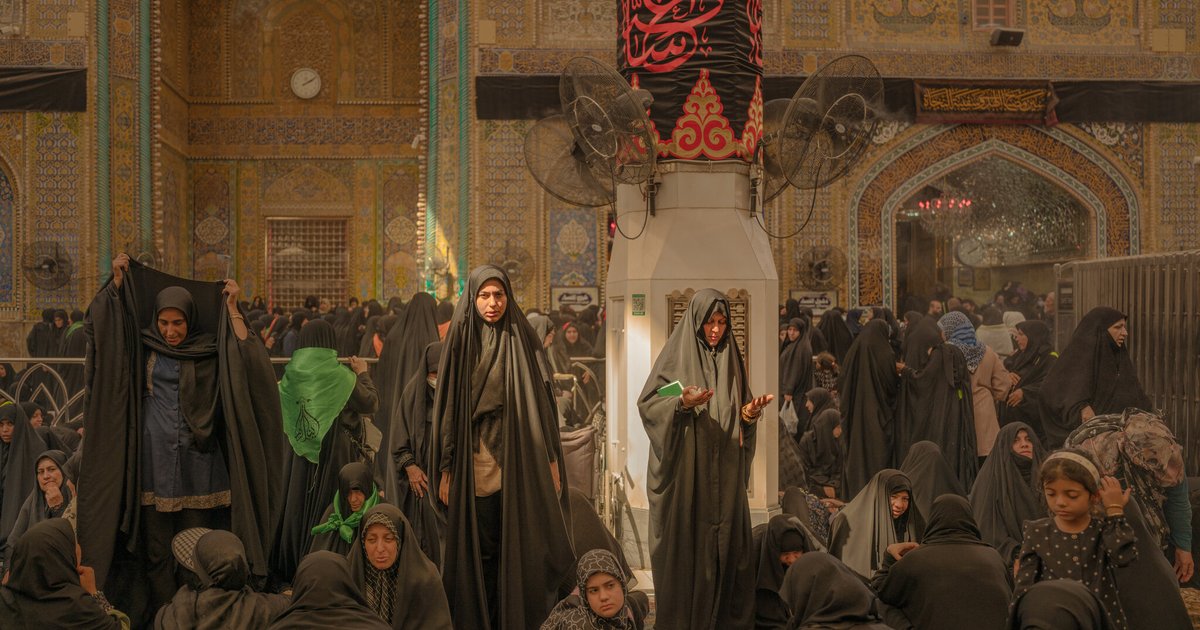
The Iran-Iraq War, which lasted eight years, continues to influence regional relations and domestic policies in both countries. More than three decades after the conflict ended, its repercussions are still felt today.
The war, which began in 1980 and ended in 1988, resulted in devastating human and material losses, with over one million people killed and the infrastructure of both countries severely damaged. This conflict was not merely a military struggle; it had deep political and religious dimensions that affected the overall situation in the region.
Details of the Conflict
The war between Iran and Iraq began on September 22, 1980, when Iraqi forces launched a surprise attack on Iranian territory. The reasons behind this attack were manifold, including border tensions, political disputes, and the desire to control oil resources. Throughout the eight years, both countries employed advanced weaponry, including chemical weapons, exacerbating human suffering.
Although the war officially ended in 1988, its effects remain evident. The war left profound impacts on the national identity of both Iran and Iraq and affected their relations, with lingering suspicions between the two sides.
Background & Context
The roots of the conflict date back to the pre-war period, where relations between Iran and Iraq were strained due to political and religious differences. Following the Iranian Revolution in 1979, Iraqi fears of the revolution spilling over into Iraq intensified, prompting Saddam Hussein to decide to wage war.
During the war, major powers played a role in supporting one side against the other. The United States, for example, supported Iraq in an attempt to contain Iranian influence in the region. Meanwhile, Iran received support from certain countries, further complicating the conflict.
Impact & Consequences
The war significantly impacted the economies of both Iran and Iraq, with both nations suffering tremendous losses. In Iraq, the war exacerbated economic crises, contributing to subsequent conflicts, including the invasion of Kuwait in 1990. Iran, on the other hand, faced long-term economic and social consequences, as international sanctions continued to affect its economy.
Moreover, the war contributed to the strengthening of sectarian divisions in Iraq, leading to ongoing internal conflicts. The relations between Iran and Arab countries were also significantly affected, increasing tensions between Iran and Gulf states.
Regional Significance
The effects of the Iran-Iraq War serve as a model for regional conflicts that impact security and stability in the area. It contributed to the rise of nationalist and sectarian sentiments, exacerbating crises in many Arab countries.
Additionally, the conflict highlighted the importance of regional cooperation in facing common challenges. In light of current crises, Arab nations must learn from past lessons and work towards enhancing dialogue and understanding to avoid the repetition of such conflicts.
In conclusion, the effects of the Iran-Iraq War remain present in the collective memory of the region, reminding us of the importance of peace and stability in achieving development and prosperity.