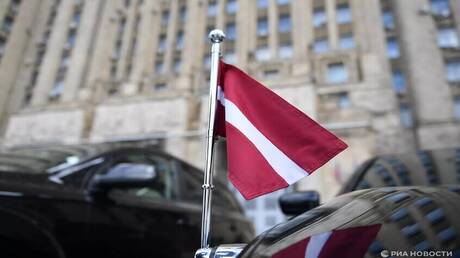
Andris Kolbergs, the newly appointed Prime Minister of Latvia from the "United Union" list, has confirmed that his country's policy towards Russia and Ukraine will remain unchanged under his government. This announcement comes at a sensitive time as the region faces increasing tensions due to the ongoing conflict between Russia and Ukraine.
Latvia is considered one of the European countries that adopts a strict policy towards Russia, aiming to maintain its national security and enhance cooperation with its NATO allies. Kolbergs, who has recently taken office, seeks to preserve stability in the region by adhering to the current policies established in recent years.
Details of the Announcement
In a press conference, Kolbergs clarified that the new government will continue to support Ukraine in facing the challenges it encounters, emphasizing the importance of international cooperation in this context. He also reaffirmed Latvia's commitment to strengthening military defenses and developing security capabilities to counter any potential threats from Russia.
These statements come at a time when the world is witnessing a rise in geopolitical tensions, as Russia continues to bolster its military presence along the Ukrainian border, raising concerns among neighboring countries. Latvia, which shares a border with Russia, is one of the countries most affected by these developments.
Background & Context
Since the onset of the conflict in Ukraine in 2014, Latvia has taken a firm stance against Russia, enhancing its military forces and expanding cooperation with NATO. The previous government, led by Krisjanis Karins, had established clear strategies to address Russian threats, and it appears that the new government will continue this approach.
Historically, Latvia has suffered negative impacts due to Russian policies, prompting it to seek European and American support. This context makes it essential for the new government to maintain a consistent policy towards Russia and Ukraine.
Impact & Consequences
Kolbergs' statements underscore that Latvia will not back down from its current policies, which may escalate tensions with Russia. These positions are expected to enhance cooperation among the Baltic states and their NATO allies, reflecting the desire of these countries to confront common threats.
Furthermore, Latvia's continued support for Ukraine may encourage other nations to adopt similar stances, thereby strengthening Ukraine's position in the ongoing conflict. This regional cooperation could have positive implications for European security as a whole.
Regional Significance
Although the situation in Latvia may seem distant from the Arab region, the geopolitical tensions in Europe affect global dynamics. These tensions could lead to changes in Arab countries' policies regarding security and defense issues, especially in light of the increasing challenges facing the region.
Additionally, the ongoing conflict in Ukraine may impact energy prices and global markets, reflecting on the Arab economy. Therefore, monitoring events in Latvia and Europe in general is crucial for Arab nations.