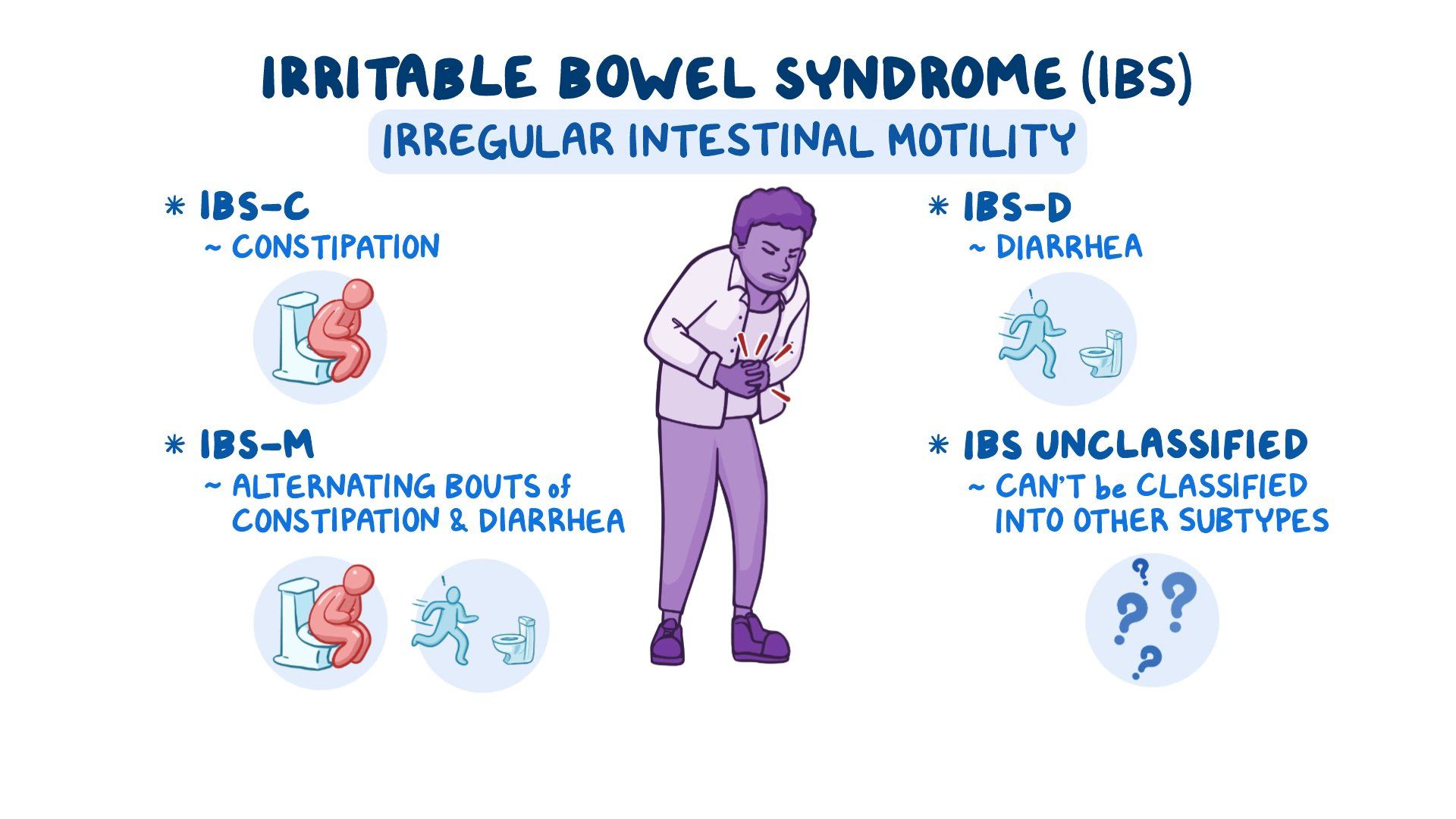
Recent studies have shown an intriguing relationship between laughter and irritable bowel syndrome (IBS), indicating that laughter can have a positive effect on alleviating symptoms associated with this condition. IBS is a common disorder affecting the digestive system, causing abdominal pain, bloating, and changes in bowel habits such as diarrhea or constipation.
Research suggests that laughter can act as a natural remedy, contributing to improved mood and reduced stress, which may positively impact the physical symptoms experienced by patients. These results underscore the importance of mental health in managing physical illnesses, paving the way for new therapeutic strategies.
Event Details
A study conducted on a group of patients suffering from IBS assessed the impact of laughter on their symptoms. The results showed that those who participated in laughter sessions or watched comedy reported a significant reduction in symptom severity. Researchers noted that laughter helps lower stress hormone levels, contributing to improved digestive function.
The impact of laughter on overall quality of life was also observed, with participants reporting greater feelings of psychological and physical comfort. These findings support the idea that psychological therapy, including laughter, can be an effective part of a comprehensive treatment plan for IBS.
Background & Context
IBS is one of the most common digestive disorders, affecting millions of people worldwide. Patients experience a variety of symptoms that can significantly impact their daily lives. In recent years, research has increased regarding the relationship between mental and physical health, leading to new discoveries in this field.
Historically, laughter was viewed merely as a source of entertainment, but recent studies have begun to uncover its numerous health benefits. By enhancing social communication and reducing stress, laughter can serve as an effective tool for improving overall health.
Impact & Consequences
These new findings open broad horizons for doctors and researchers to develop innovative therapeutic strategies. Integrating laughter into treatment programs could enhance health outcomes for patients, potentially reducing reliance on traditional medications.
Moreover, these studies could help shift public perception regarding the importance of mental health and its impact on physical well-being. Raising awareness about the benefits of laughter could have a positive effect on communities, encouraging individuals to seek ways to improve their mental health.
Regional Significance
In the Arab region, where psychological and social pressures have increased, laughter could play a crucial role in enhancing quality of life. These findings may encourage communities to adopt more positive lifestyles, contributing to lower rates of anxiety and depression.
Cultural and artistic events focusing on comedy and laughter can also strengthen social bonds, aiding in the creation of healthier and happier communities. Ultimately, we should consider laughter an essential part of healthcare strategies.