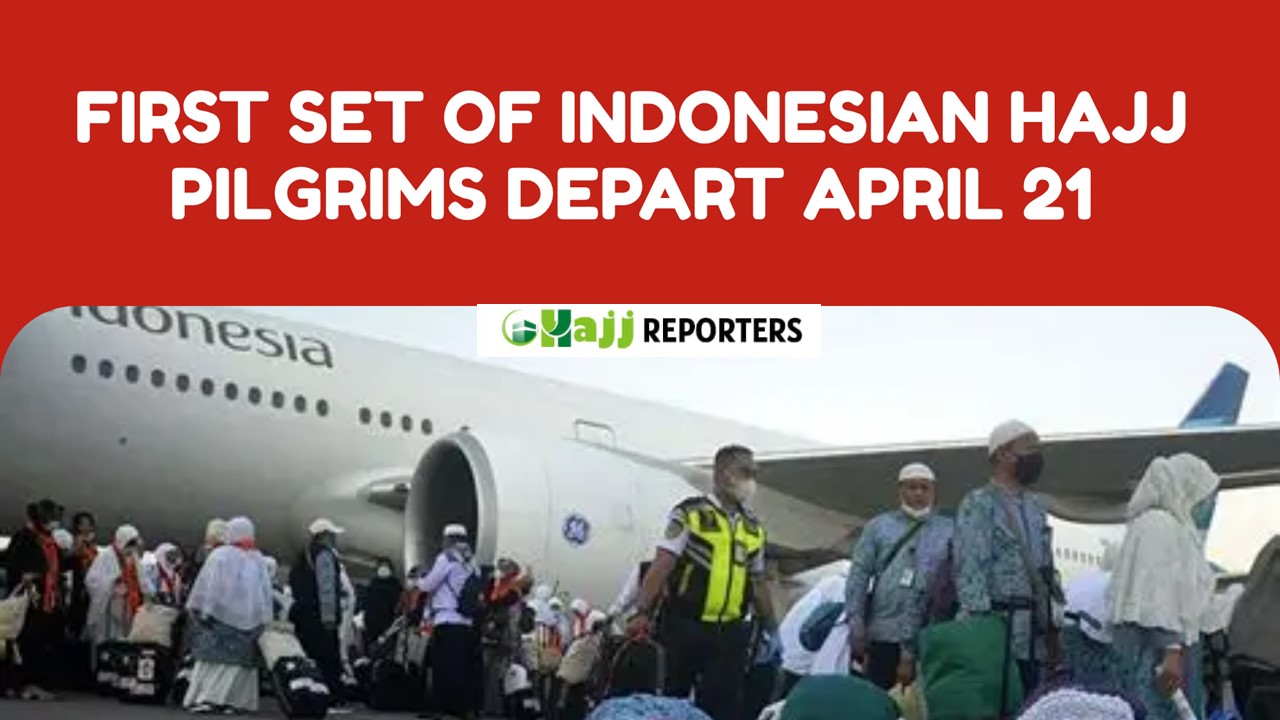
A group of 441 pilgrims set off on Wednesday from Borokarta, located in West Java, to the Holy Lands for this year's Hajj. The journey was organized by the Indonesian Ministry of Hajj and Umrah, which provided all necessary facilities to ensure the comfort of the pilgrims during their trip.
The launch ceremony took place in the Tajug Gidi area of Borokarta, attended by several local officials, including Serjaya Medan, the provincial secretary, and Shamsi Mufti, head of the Ministry of Hajj and Umrah office in Borokarta. Four ministry staff members accompanied the pilgrims to provide support and assistance.
Event Details
Among the pilgrims, Siti Khairatul Laila was registered as the youngest pilgrim at just 18 years old, hailing from the Bojong area. She received this opportunity after her father's quota was transferred to her following his passing in 2023. In contrast, Oh was noted as the oldest pilgrim at the age of 90 years, from the Sepatu area.
Statistics indicate that approximately 30% of the pilgrims in this group are elderly, with an average age of around 65 years. To ensure their comfort, the ministry has prepared a range of services, including the provision of wheelchairs, special pathways, and comprehensive health services.
Background & Context
The Hajj is one of the most significant religious rituals in Islam, with Muslims from around the world traveling to Mecca to fulfill this obligation. In recent years, there has been a noticeable increase in the number of Indonesian pilgrims, reflecting their commitment to performing this worship. In this context, the Indonesian government aims to improve the services provided to pilgrims to ensure a comfortable and safe experience.
Historically, Indonesia has been one of the largest countries exporting pilgrims to Mecca, with trips organized periodically to meet the needs of Muslims. These efforts have contributed to strengthening cultural and religious ties between Indonesia and other Islamic countries.
Impact & Consequences
This journey is part of the Indonesian government's efforts to promote religious tourism, aiming to provide a safe and comfortable environment for pilgrims. Additionally, improving health services and public facilities enhances Indonesia's image as an important religious destination.
Moreover, providing support for the elderly reflects the government's commitment to caring for this demographic, fostering social solidarity among community members. These initiatives may encourage more Muslims to perform the Hajj in the coming years.
Regional Significance
The Hajj is a significant event in the Islamic world, attracting millions of pilgrims from various countries. Organized trips from Indonesia help strengthen ties between Islamic nations, reflecting the unity of the Muslim Ummah. Furthermore, enhancing services for pilgrims contributes to promoting religious tourism in the region.
In conclusion, this journey reflects the Indonesian government's commitment to providing the best services for pilgrims, contributing to strengthening cultural and religious ties between Indonesia and the Islamic world.