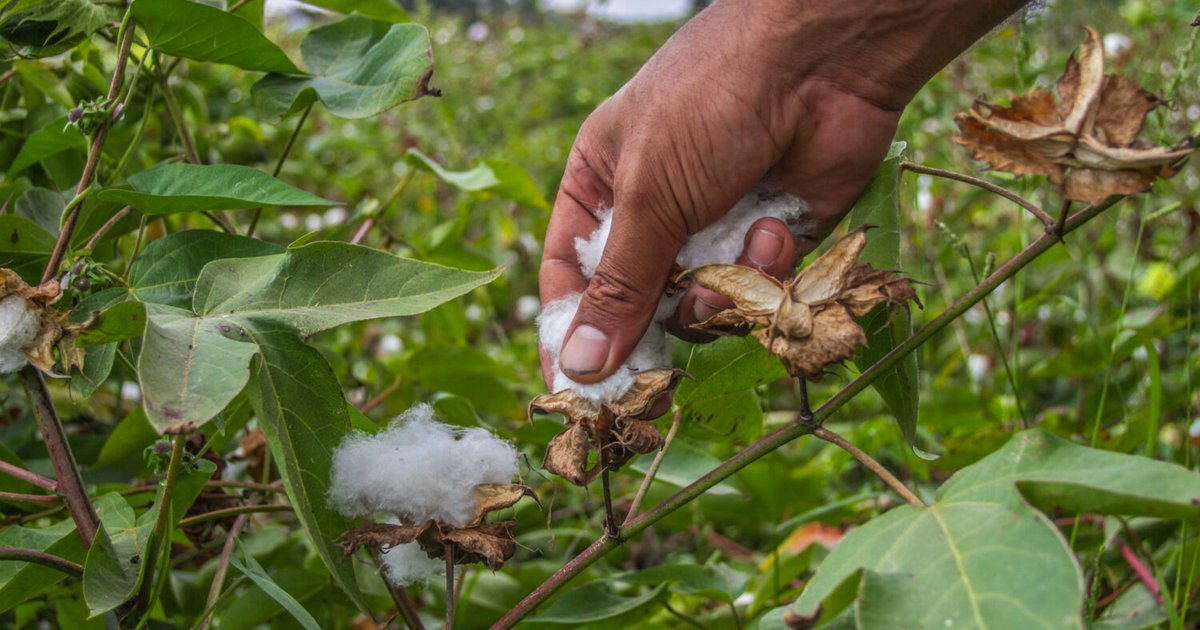
The Egyptian Ministry of Agriculture and Land Reclamation has announced the approval of seven new varieties of cotton, a move designed to enhance local production and improve crop quality. This initiative is part of the ministry's strategy to increase the areas cultivated with cotton, which is considered a strategic crop in Egypt.
Through these new varieties, the ministry aims to improve the quality of Egyptian cotton, renowned for its global reputation as one of the best types of cotton in the world. The approved varieties include those that are resistant to diseases and pests, which helps reduce pesticide use and promotes sustainable agriculture.
Details of the Announcement
The seven approved varieties include types such as Giza 94 and Giza 95, developed to meet the needs of both local and international markets. There has also been a focus on enhancing fiber properties and increasing productivity per feddan, contributing to higher economic returns for farmers.
This step comes at a time when Egypt is witnessing increased interest in the agricultural sector, as the government aims to achieve self-sufficiency in strategic crops and reduce reliance on imports. These new varieties are expected to contribute to the sustainable development goals of the agricultural sector.
Background & Context
Historically, Egyptian cotton has been one of the main crops contributing to the Egyptian economy for decades. In recent years, cotton cultivation has faced several challenges, including climate change and increased competition from other countries. Therefore, the adoption of new varieties is a strategic step to address these challenges.
The Ministry of Agriculture is working to enhance research and development in this field, having established specialized research centers to develop new varieties that fit different climatic conditions. These efforts reflect the government's commitment to improving agricultural productivity and supporting farmers.
Impact & Consequences
The adoption of these new varieties is expected to have a positive impact on the Egyptian economy, as it will contribute to increasing local production and reducing the gap between supply and demand. Additionally, improving the quality of cotton will enhance Egypt's ability to compete in global markets, opening new avenues for export.
This step also presents an opportunity for farmers to improve their income and increase their profits, especially in light of ongoing government support for the agricultural sector. Furthermore, improved productivity will contribute to creating new job opportunities in rural areas.
Regional Significance
Cotton cultivation is an important economic activity in many Arab countries, playing a key role in supporting local economies. Egypt's success in adopting new varieties may encourage other countries in the region to take similar steps to enhance their agricultural production.
This experience can facilitate knowledge and expertise exchange among Arab countries, strengthening regional cooperation in agriculture. Moreover, improving agricultural productivity in Egypt can serve as a model for other countries striving for self-sufficiency.
In conclusion, the Ministry of Agriculture's approval of seven new cotton varieties represents a significant step towards enhancing local production and improving crop quality. This decision is expected to have positive effects on the Egyptian economy, contributing to the achievement of sustainable development goals.