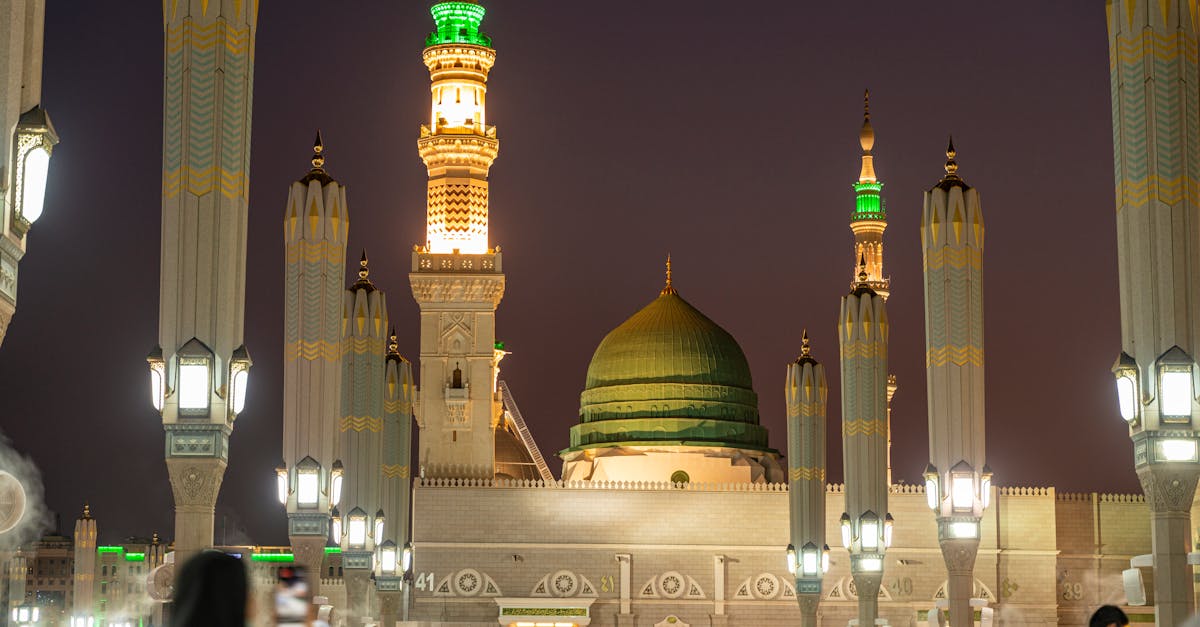
The Saudi Data and Artificial Intelligence Authority, Sdaia, has announced the operation and support of 75 sites in the holy sites, along with 14 dedicated security screening locations, as part of the Kingdom's preparations for the Hajj season. This step reflects the Kingdom's commitment to providing the best services for pilgrims and facilitating their rituals.
The sites that have been activated include a range of centers that utilize modern technologies to ensure the safety of pilgrims and provide them with necessary information. These sites are equipped with the latest surveillance systems and smart technologies that contribute to organizing the flow of pilgrims and facilitating their movements between the holy sites.
Details of the Initiative
Sdaia aims through this initiative to enhance the experience of pilgrims by utilizing data and smart technologies. The sites are equipped with modern devices that allow relevant authorities to monitor the situation continuously, which contributes to making quick and effective decisions to ensure the safety of pilgrims.
The authority is also providing technical and logistical support for the sites, having trained personnel on how to effectively use these technologies. Coordination has been established with security agencies to ensure the highest standards of safety and security are implemented across all sites.
Background & Context
Historically, the Kingdom of Saudi Arabia has witnessed significant advancements in organizing Hajj, with the introduction of many modern technologies to improve the experience of pilgrims. This initiative aligns with the Kingdom's Vision 2030, which aims to enhance the Kingdom's status as a primary destination for Hajj and Umrah.
The holy sites are among the most crowded places during the Hajj season, necessitating increased efforts to provide a safe and comfortable environment for pilgrims. Therefore, the use of technology in this context is a strategic step towards improving the services offered.
Impact & Consequences
This initiative is expected to improve the level of safety and comfort for pilgrims, thereby enhancing the Kingdom's reputation as a safe destination for Hajj. Additionally, the use of modern technologies will help reduce congestion and improve the organization of movement within the holy sites.
This step also serves as a model for other countries seeking to improve their services during Hajj and Umrah seasons, reflecting the Kingdom's ability to innovate and develop in this field.
Regional Significance
This initiative contributes to enhancing cooperation among Arab countries in organizing Hajj and Umrah, allowing for the exchange of experiences and technologies used. Furthermore, improving the experience of pilgrims reflects the commitment of Arab countries to provide the best services to their citizens and visitors.
In conclusion, Sdaia's efforts represent an important step towards achieving the Kingdom's Vision 2030, reflecting the Kingdom's commitment to providing the best services for pilgrims, which contributes to enhancing its status as a primary destination for Hajj and Umrah.