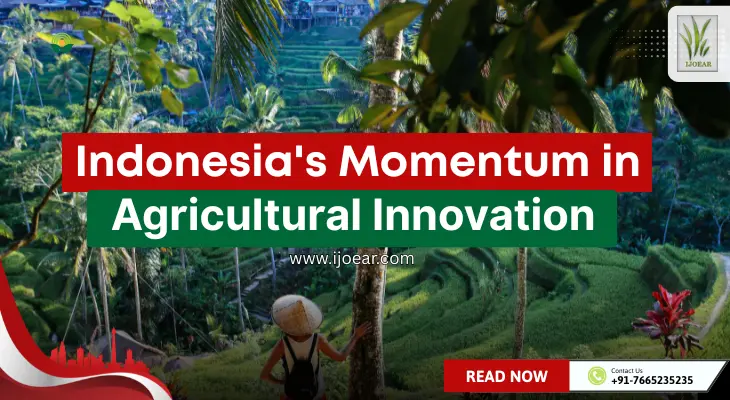
As part of efforts to enhance food security, the President of the Indonesian Agricultural University, Aliem Setiawan Selim, announced the university's readiness to provide billions of seeds to address potential food crises arising from global conflicts. This announcement was made during a press conference in Jakarta, where he clarified that the Ministry of Agriculture will purchase approximately 250 billion seeds as a precautionary measure against any global economic downturn.
Selim also highlighted the university's development of a new type of rice known as IPB 9G, which is characterized by its ability to adapt to both dry and wet land conditions. The expected yield is around 10-11 tons per hectare, reflecting the university's efforts to improve agricultural productivity.
Details of the Initiative
This initiative comes at a critical time, as concerns about a global food crisis are rising due to ongoing conflicts. Selim pointed out that the implementation of the work-from-home (WFH) policy at the university, which began on April 6, 2026, aims to save fuel and reduce costs, receiving positive feedback from academics.
Furthermore, the Indonesian Ministry of Agriculture is working to enhance integration between agriculture and livestock through the SISKA system, which aims to improve production efficiency and reduce feed costs, contributing to national food security.
Background & Context
Historically, the world has faced numerous food crises that have led to rising food prices and increased poverty. In recent years, these crises have been exacerbated by climate change and political conflicts. Indonesia, as a major agricultural nation, seeks to enhance its production capabilities to meet the needs of its growing population.
The IPB University is considered one of the leading institutions in agricultural research in Indonesia and has played a significant role in developing new technologies to improve agricultural productivity. Innovations such as IPB 9G represent an important step towards achieving food security in the country.
Impact & Consequences
These initiatives are seen as a strategic move to address future challenges. Increasing crop productivity is expected to reduce reliance on food imports, thereby enhancing economic stability. Additionally, strengthening the integration between agriculture and livestock may lead to improved living conditions for farmers.
However, the biggest challenge remains how to effectively implement these policies and ensure that the desired results are achieved without negatively impacting the environment or local communities.
Regional Significance
The implications of this initiative extend beyond Indonesia, as it reflects a growing awareness of the need for sustainable agricultural practices in the face of global challenges. By focusing on food security, Indonesia sets an example for other nations facing similar issues, showcasing the importance of innovation and collaboration in agriculture.
In conclusion, the agricultural initiative launched by the Indonesian Agricultural University is a vital step towards addressing global food challenges and enhancing food security in Indonesia. It highlights the need for proactive measures and innovative solutions in the agricultural sector.