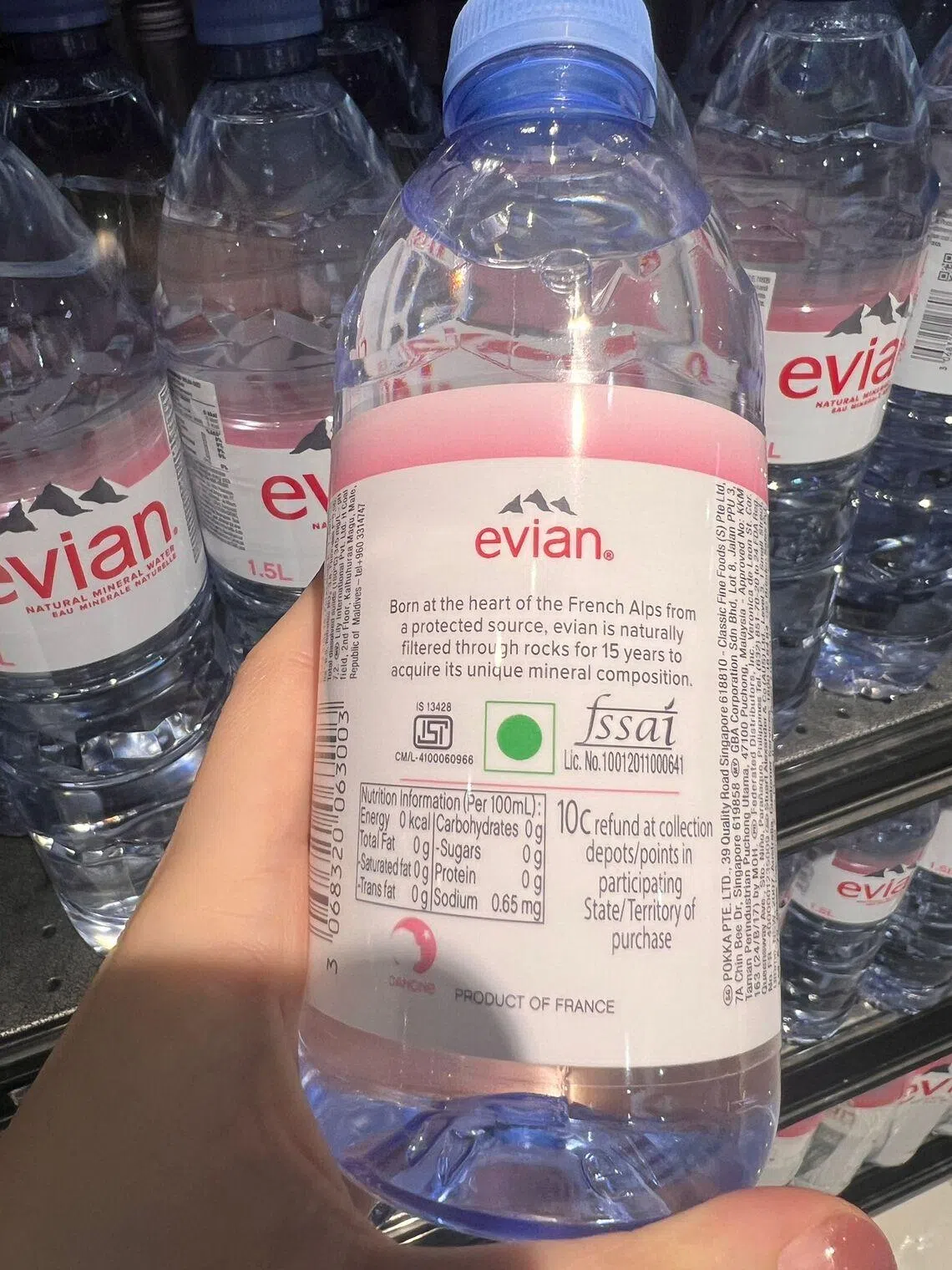
Singapore has commenced the implementation of a beverage container return system designed to enhance sustainability and minimize waste. Return machines have been installed across the country, but challenges persist as most beverage suppliers continue to dispose of old stock that does not carry the required return labels.
This new system, announced earlier this year, aims to encourage residents to return empty containers in exchange for financial rewards. However, many consumers report that finding eligible containers for return has become difficult, raising questions about the system's effectiveness in achieving its environmental goals.
Event Details
Through this system, Singapore aims to reduce waste generated from beverage containers, which are among the most common types of waste. Return machines have been strategically placed in locations such as shopping centers and public transport stations to facilitate the return process for citizens.
Nevertheless, the system faces significant challenges as many old containers remain in the market, making it difficult for consumers to identify which ones are eligible for return. Some suppliers have indicated that they are working to clear old stock before they can offer new containers with return labels.
Background & Context
This initiative is part of Singapore's ongoing efforts to promote environmental sustainability. The government has launched several initiatives in recent years to reduce waste and enhance recycling, including awareness programs for citizens about the importance of sustainability.
The beverage container return system is considered part of a broader strategy aimed at achieving sustainable development goals. However, the challenges facing this system indicate a need for increased awareness and education about how it works and the importance of using eligible containers.
Impact & Consequences
If the beverage container return system succeeds in achieving its goals, it could have a significant positive impact on the environment in Singapore. This system is expected to reduce the amount of waste sent to landfills, contributing to environmental preservation and reducing carbon emissions.
However, the current challenges suggest that improvements are needed in implementation and communication with the public. These challenges may affect the level of acceptance of the system by citizens, potentially hindering the achievement of the desired environmental goals.
Regional Significance
Singapore's experience with the beverage container return system serves as a model that Arab countries could benefit from. Many Arab nations face similar challenges in waste management, and return systems could be effective in reducing waste and promoting sustainability.
Arab countries can learn from Singapore's experience by developing similar return systems, focusing on awareness and education to ensure the success of these systems. Such systems could also contribute to achieving sustainable development goals in the region.
In conclusion, the beverage container return system in Singapore represents an important step toward sustainability, but it faces challenges that require effective addressing to ensure its success. This experience could inspire other countries, including Arab nations, to develop similar systems that enhance their waste management efforts and achieve sustainable development.