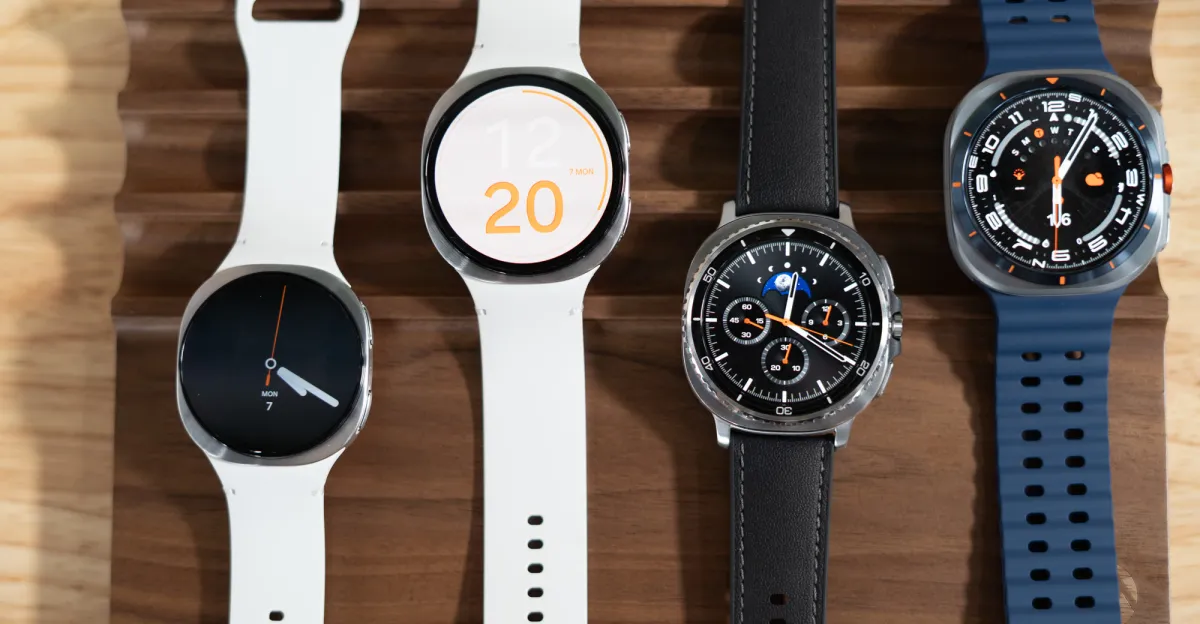
Samsung has announced the rollout of its blood pressure tracking feature for Galaxy Watch users in the United States, after years of availability in other countries. The update is available for Galaxy Watch 4 models and later, allowing users to monitor heart rate as well as systolic and diastolic blood pressure.
However, the supported Galaxy Watch models do not allow for independent blood pressure measurement; they require the use of an additional cuff from a third party to determine baseline blood pressure levels and perform periodic recalibration every 28 days. These limitations were noted when Samsung launched the blood pressure tracking feature in South Korea over six years ago.
Event Details
Samsung now seems capable of offering blood pressure monitoring features in the United States by branding it as a "health" feature rather than a medical one, after years of attempting to gain approval from the U.S. Food and Drug Administration. A similar solution was used by Whoop, a fitness tracking device manufacturer, last year.
Galaxy Watch users will need to download the Samsung Health Monitor app to utilize this feature, which supports Samsung smartphones running Android 12 or later. Samsung states that a new passive monitoring feature will be added to the app "later this year," allowing users to view blood pressure trends over time.
Background & Context
The blood pressure tracking feature is part of a growing trend towards integrating technology into healthcare, as major companies like Samsung and Apple aim to provide technological tools that help users monitor their health more effectively. This move may also be a response to the increasing awareness of the importance of monitoring blood pressure in preventing heart diseases.
This update comes at a time when the U.S. market is witnessing strong competition among wearable device manufacturers, with each company striving to offer new and innovative features to attract users. Blood pressure tracking is considered one of the features that could enhance the appeal of Samsung's smartwatches compared to competitors.
Impact & Consequences
The blood pressure tracking feature could lead to improved health awareness among users, potentially contributing to a reduction in health risks associated with high blood pressure. Additionally, this feature may enhance the use of wearable devices in healthcare, paving the way for the development of more health applications in the future.
However, reliance on an additional cuff for measuring blood pressure may limit the use of this feature, as it requires users to invest in additional tools. Challenges related to the reliance on technology in healthcare remain, such as the accuracy and reliability of measurements.
Regional Significance
In the Arab region, this feature may hold particular importance, as many countries suffer from high rates of hypertension and heart diseases. This move by Samsung could encourage increased health awareness and the use of technology in health monitoring, which may contribute to improving quality of life.
In conclusion, the launch of the blood pressure tracking feature in Galaxy Watch demonstrates Samsung's commitment to providing innovative health solutions and reflects the overall trend towards integrating technology into healthcare, which could have a positive impact on public health in the future.