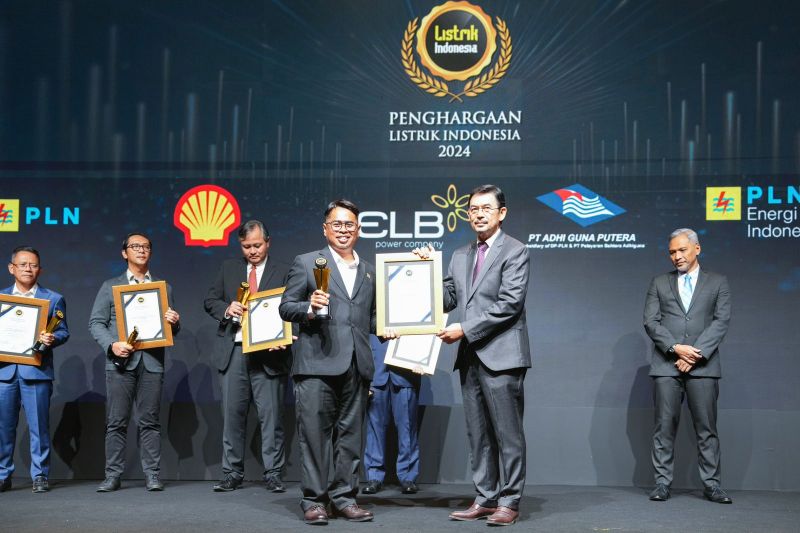
PT PLN Energi Primer Indonesia (PLN EPI) has officially launched the 'Clean Energy Day' program, which aims to enhance energy efficiency and reduce carbon emissions. This initiative is part of the company's commitment to supporting the transition to clean energy, with the program being implemented in the Indonesian capital, Jakarta.
In a statement, the Director of Human Resources and Management at PLN EPI, Diding Hidayat, emphasized that the program represents a strategic response to the directives of the Indonesian government and reflects the global trend towards improving energy supply chains. He noted that the program is carried out every Friday and involves all employees and workers within the company.
Event Details
The 'Clean Energy Day' program aims to raise awareness about the importance of responsible energy use. Employees are encouraged to refrain from using fossil fuel-powered vehicles on Fridays, opting instead for public transportation, bicycles, or even walking. Employees are also asked to log their trips to assess the program's impact on reducing carbon emissions.
According to internal data, implementing this program could contribute to a reduction of 45.7 tons of carbon dioxide annually, which is equivalent to the consumption of 18,800 liters of gasoline or what 500 mangrove trees could absorb over twenty years.
Background & Context
This initiative comes at a time when global pressures to transition to clean energy sources are increasing, as many countries strive to meet their carbon emission reduction goals. Indonesia has launched strategies as part of its international commitments aimed at achieving net-zero emissions by 2060.
PLN EPI is part of the PLN Group, which plays a vital role in ensuring energy efficiency and sustainability of operations. Through these initiatives, the company aims to foster a work culture that focuses on responsible energy use.
Impact & Consequences
This step by PLN EPI serves as a model in the clean energy sector, highlighting the importance of behavioral change alongside technology. The transition to clean energy does not solely rely on large projects but also requires simple changes in daily habits.
This program reflects Indonesia's commitment to achieving sustainable development goals and enhances its position as a key supporter of global efforts to combat climate change. Furthermore, such initiatives may inspire other companies in the region to adopt similar policies.
Regional Significance
In light of the environmental challenges facing the Arab region, PLN EPI's experience could motivate countries in the area to adopt similar strategies. With the growing awareness of the importance of clean energy, Arab nations can benefit from these initiatives to bolster their efforts in sustainable energy.
In conclusion, the 'Clean Energy Day' program represents a significant step towards achieving clean energy goals in Indonesia and reflects a genuine commitment from companies to address global environmental challenges.