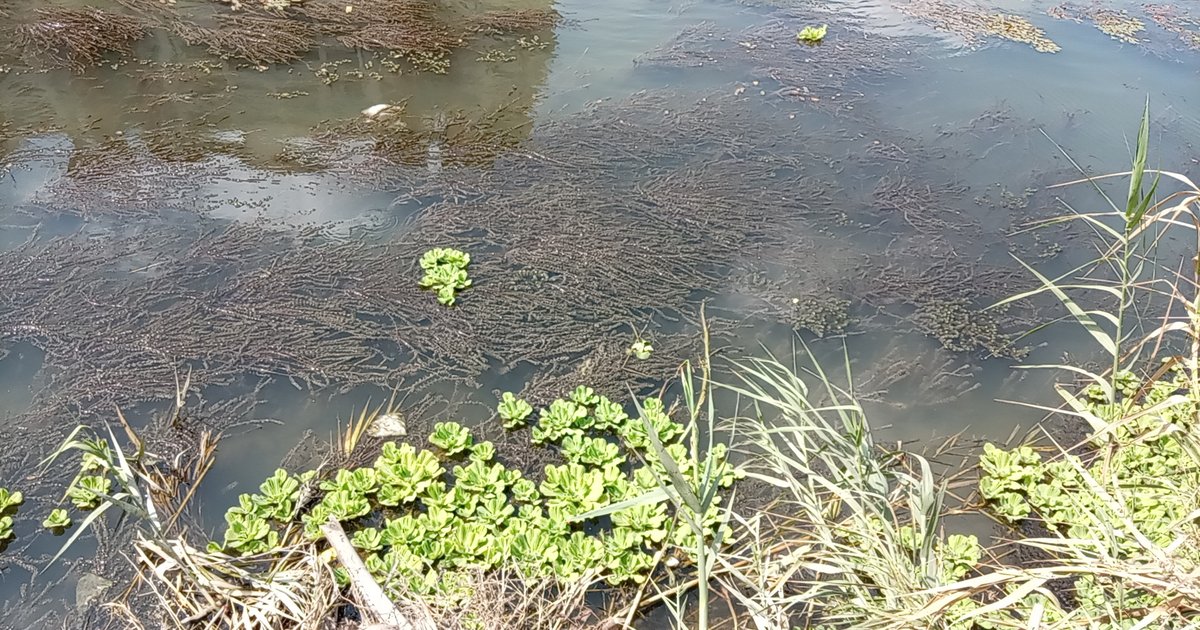
The Egyptian Ministry of Water Resources and Irrigation has announced the launch of a control signal for the Nile River, aimed at addressing violations and encroachments that threaten the safety of this vital resource. This step is part of the ministry's efforts to preserve the Nile River, which is considered the lifeblood for millions of Egyptians.
The ministry seeks to enhance oversight of various activities taking place along the riverbanks, including illegal construction and encroachments on the river's course. The ministry has confirmed that it will not tolerate violators and will take all necessary legal measures to ensure the protection of the river.
Details of the Initiative
In a press conference, the Minister of Water Resources and Irrigation explained that this signal is part of a comprehensive plan to monitor and assess the current situation of the Nile River. He noted that the ministry will intensify efforts to follow up on any violations that may occur, whether through field teams or by utilizing modern technology.
The minister also mentioned that there is coordination with security and local authorities to ensure the effective implementation of these measures. He confirmed that the ministry will issue periodic reports on the condition of the Nile River and the violations that have been observed.
Background & Context
The Nile River is one of the most important water resources in Egypt, relied upon by over 100 million people in their daily lives. With the increasing population growth and economic activities, pressures on this vital resource have intensified, leading to numerous violations and encroachments.
Over the years, the Nile River has faced many challenges, including pollution and encroachments on its course. These challenges have raised awareness about the importance of protecting the river and maintaining its safety. In this context, the steps taken by the Ministry of Irrigation are part of its strategy to preserve this vital resource for future generations.
Impact & Consequences
This initiative is of significant importance, as it is expected to contribute to improving water quality and preserving the surrounding environment of the Nile River. It also reflects the Egyptian government's commitment to protecting this vital resource and ensuring its sustainability.
These measures are expected to reduce violations and encroachments, which will contribute to improving the quality of life for citizens who depend on the Nile River. Additionally, it may open the door for further investments in sustainable development projects along the riverbanks.
Regional Significance
Egypt's experience in managing its water resources serves as a model for the Arab region, where many countries face similar challenges related to water management. Egypt's success in implementing these measures may inspire other countries to take similar steps to protect their water resources.
Moreover, preserving the Nile River contributes to enhancing cooperation among Nile Basin countries, which could lead to greater stability in the region. Sustainable water management is a vital issue that requires international cooperation to address.
In conclusion, this step by the Egyptian Ministry of Irrigation reflects the government's commitment to protecting the Nile River and ensuring its sustainability for future generations. Addressing violations and encroachments is a necessary step to preserve this vital resource, which is the lifeblood for millions of Egyptians.