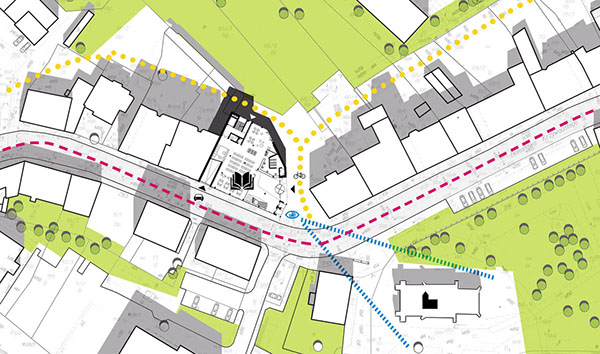
A cooperation protocol has recently been announced to revive the municipal library in the city of Damanhour and transform it into a comprehensive cultural center. This project is part of ongoing efforts to enhance culture and reading within the community, reflecting the Egyptian government's commitment to developing cultural infrastructure.
The Damanhour municipal library is one of the oldest libraries in the region and has played a significant role in disseminating knowledge and culture among the city's residents. However, the library has experienced a decline in recent years due to a lack of resources and interest. Therefore, this protocol is a crucial step towards revitalizing the library and converting it into a cultural center that hosts a variety of cultural and artistic activities.
Event Details
The protocol was signed between the Ministry of Culture and the Beheira Governorate, encompassing several key areas including the development of the library's infrastructure, provision of a diverse range of books and cultural resources, as well as organizing cultural and artistic events aimed at attracting visitors and contributing to the spread of culture.
The protocol also includes training for library staff on the latest library management techniques and cultural service delivery, which will contribute to improving the quality of services provided to visitors.
Background & Context
This initiative comes as part of the ongoing efforts by the Egyptian government to promote culture and reading within society. In recent years, there has been an increasing interest from the government in the cultural sector, with many initiatives and programs launched to support public libraries and enhance their role in the community.
Public libraries are among the most important cultural institutions that contribute to the dissemination of knowledge and the promotion of reading, and their development is a fundamental part of the government's strategy to enhance culture in Egypt. This project also aligns with global trends towards promoting culture and reading in communities.
Impact & Consequences
The development of the Damanhour municipal library is expected to enhance culture and reading in the city, leading to increased cultural awareness among residents. Furthermore, transforming the library into a comprehensive cultural center will attract visitors from various age groups, thereby boosting cultural activity in the region.
Moreover, this project could serve as a model for other cities in Egypt, contributing to the revitalization of public libraries and transforming them into active cultural centers.
Regional Significance
This project represents a positive model of cooperation between the government and civil society in the field of culture, which could encourage other countries in the Arab region to take similar steps in developing public libraries and enhancing culture. Promoting culture and reading is one of the essential factors for achieving sustainable development in Arab communities.
In conclusion, the signing of the cooperation protocol to develop the Damanhour municipal library is an important step towards enhancing culture and reading in the community, reflecting the Egyptian government's commitment to developing cultural infrastructure and supporting public libraries.