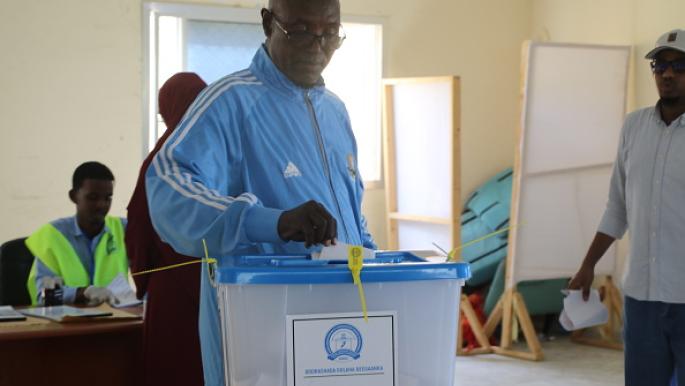
Today, Sunday, local and parliamentary elections began in several districts of Southwest Somalia, in a historic move towards direct elections. This event is the first of its kind in six decades, as the Somali people strive to enhance democracy and activate political participation.
These elections come at a sensitive time for the country, as the government seeks to achieve stability and security after years of conflict. The elections are organized in several districts, reflecting the citizens' desire for active participation in decision-making.
Details of the Event
The local and parliamentary elections in Southwest Somalia involve a direct voting process, where voters are given the opportunity to choose their representatives directly, marking a radical shift in the electoral system. Polling stations have been well prepared, with all necessary supplies provided to ensure the electoral process runs smoothly.
Local authorities expect a significant turnout from voters, as awareness campaigns have been organized to inform citizens about the importance of participating in the elections. Strict security measures have also been implemented to protect voters and ensure their safety during the voting process.
Background & Context
Historically, Somalia has suffered from internal conflicts that have led to a deterioration of political and economic conditions. Since the overthrow of Siad Barre's regime in the early 1990s, the country has experienced periods of chaos and instability. However, the current government has begun taking steps towards rebuilding institutions and promoting democracy.
These elections are part of the government's efforts to enhance stability, representing an opportunity for citizens to express their opinions and choose their representatives. The success of these elections could encourage further political reforms in the future.
Impact & Consequences
If the elections are successful, they could contribute to boosting confidence in the government and encourage more foreign and local investments. Additionally, the elections may open the door for broader political dialogue among various political factions in the country.
On the other hand, the elections may face significant challenges, such as security tensions or attempts by certain groups to disrupt the electoral process. Therefore, the success of the elections heavily depends on the government's ability to secure polling stations and protect voters.
Regional Significance
These elections are important not only for Somalia but for the entire Arab region, as they reflect the people's desire for democracy and political participation. The success of these elections could serve as a model for other countries seeking to enhance democracy under similar circumstances.
Amid the challenges faced by many Arab countries, Somalia's experience with direct elections could be a testament to the possibility of achieving positive change through active citizen participation.