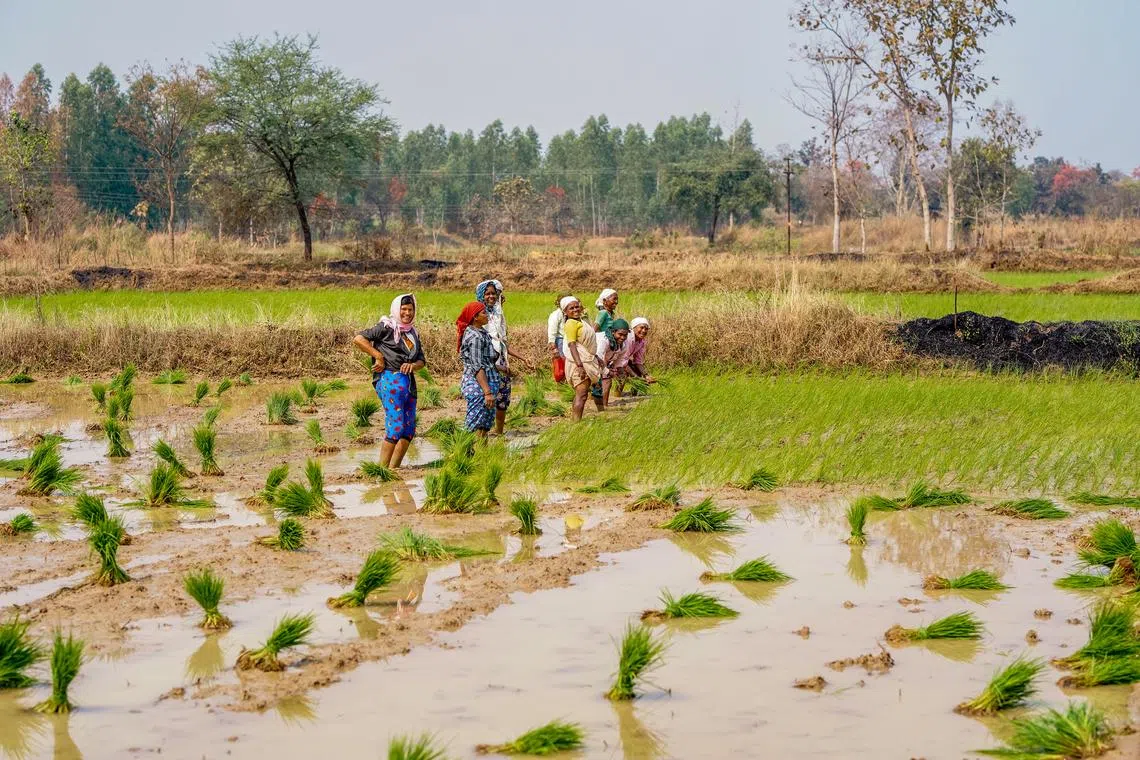
Authorities have announced the start of a new initiative for rice cultivation using environmentally friendly methods, supported by an EDB grant. This initiative aims to enhance carbon project development and fund activities that can generate high-quality credits. This step is part of global efforts to combat climate change and achieve sustainability in agriculture.
The grant seeks to support companies in developing carbon projects, contributing to improved air quality and reduced carbon emissions. This initiative is expected to raise environmental awareness among farmers and local communities, leading to better agricultural practices.
Details of the Initiative
This initiative comes at a time when traditional agriculture is under increasing pressure due to climate change. Many countries are seeking sustainable alternatives that ensure food security while minimizing environmental impact. Environmentally friendly farming methods include techniques such as organic farming and the effective use of natural resources.
Rice cultivation is one of the most important agricultural activities in many countries, providing a primary source of food. However, traditional rice farming methods often lead to significant water consumption and the use of large amounts of pesticides and chemical fertilizers. Therefore, transitioning to more sustainable methods is a necessary step.
Background & Context
Historically, agriculture has heavily relied on traditional methods that did not consider environmental impacts. With increasing awareness of environmental issues, many countries have begun to explore new farming methods. In recent years, numerous projects have been developed aimed at reducing carbon emissions and promoting sustainability.
The EDB initiative is part of this global trend towards sustainable agriculture. Governments and companies are seeking to collaborate in developing innovative solutions that contribute to environmental protection and improve quality of life. These initiatives are not only important for the environment but also for the economy, as they can open new avenues for innovation and growth.
Impact & Consequences
This initiative is expected to positively impact local communities by improving agricultural practices and increasing environmental awareness. It may also contribute to creating new job opportunities in the sustainable agriculture sector. Additionally, enhancing carbon projects can lead to improved air quality and reduced health risks associated with pollution.
This initiative serves as a model for other countries seeking to balance economic development with environmental protection. By supporting innovations in agriculture, positive long-term outcomes can be achieved.
Regional Significance
In the Arab region, food security and climate change are major challenges. Therefore, adopting sustainable agricultural methods can significantly impact improving food security and reducing poverty. Arab countries can benefit from successful experiences in this field to develop agricultural strategies that align with their environmental and social needs.
In conclusion, this initiative represents an important step towards achieving sustainable and environmentally friendly agriculture. By supporting innovations in this field, sustainable development can be promoted, yielding economic and social benefits for local communities.