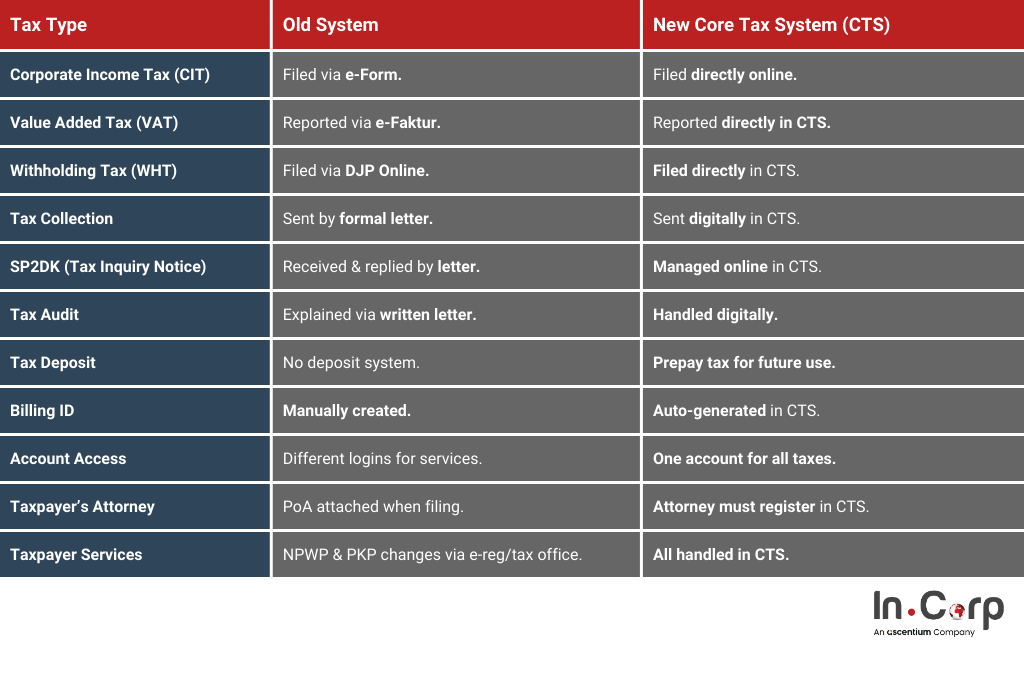
The government of Kendari, Indonesia, has announced the implementation of an electronic tax payment system, a move aimed at enhancing transparency in budget management and increasing the city's revenues. This announcement comes at a time when the local government is striving to improve public services and facilitate procedures for citizens.
This new system is considered part of the government's strategy to enhance financial efficiency, as it will enable citizens to pay taxes easily and conveniently online, reducing the need to visit government offices. Additionally, this system aims to reduce corruption and build trust between the government and citizens.
Details of the Announcement
This system was announced during a press conference held by government officials in Kendari, where they emphasized the importance of this measure in improving the city's financial resource management. It is expected that this system will significantly contribute to increasing the city's revenues, enabling the government to implement new development projects and improve infrastructure.
Officials also pointed out that the system will allow citizens to track their payments and know the details of the taxes owed, which enhances transparency and reduces potential errors in calculations.
Background & Context
Kendari, the capital of Southeast Sulawesi province, is one of the Indonesian cities striving to improve its government services. The city has witnessed significant population growth in recent years, increasing the need to enhance public services and provide adequate financial resources to meet citizens' needs.
It is noteworthy that many other Indonesian cities have already begun implementing similar electronic payment systems, reflecting the Indonesian government's trend towards digital transformation in various fields.
Impact & Consequences
This system is expected to have a positive impact on the local economy, as it will help increase tax revenues that can be used to improve public services. Furthermore, this system may encourage more citizens to comply with tax payments, thereby strengthening the local revenue base.
Moreover, the implementation of this system could contribute to improving the image of the local government and enhancing trust between it and the citizens, which is vital in any democratic system.
Regional Significance
Kendari's experience in implementing an electronic tax payment system could serve as a model for Arab cities, where many Arab countries face challenges in tax management and financial resources. Enhancing transparency and efficiency in resource management can contribute to improving public services and increasing trust between governments and citizens.
In light of the economic challenges faced by many Arab countries, adopting similar systems may help improve government revenues and promote sustainable development.