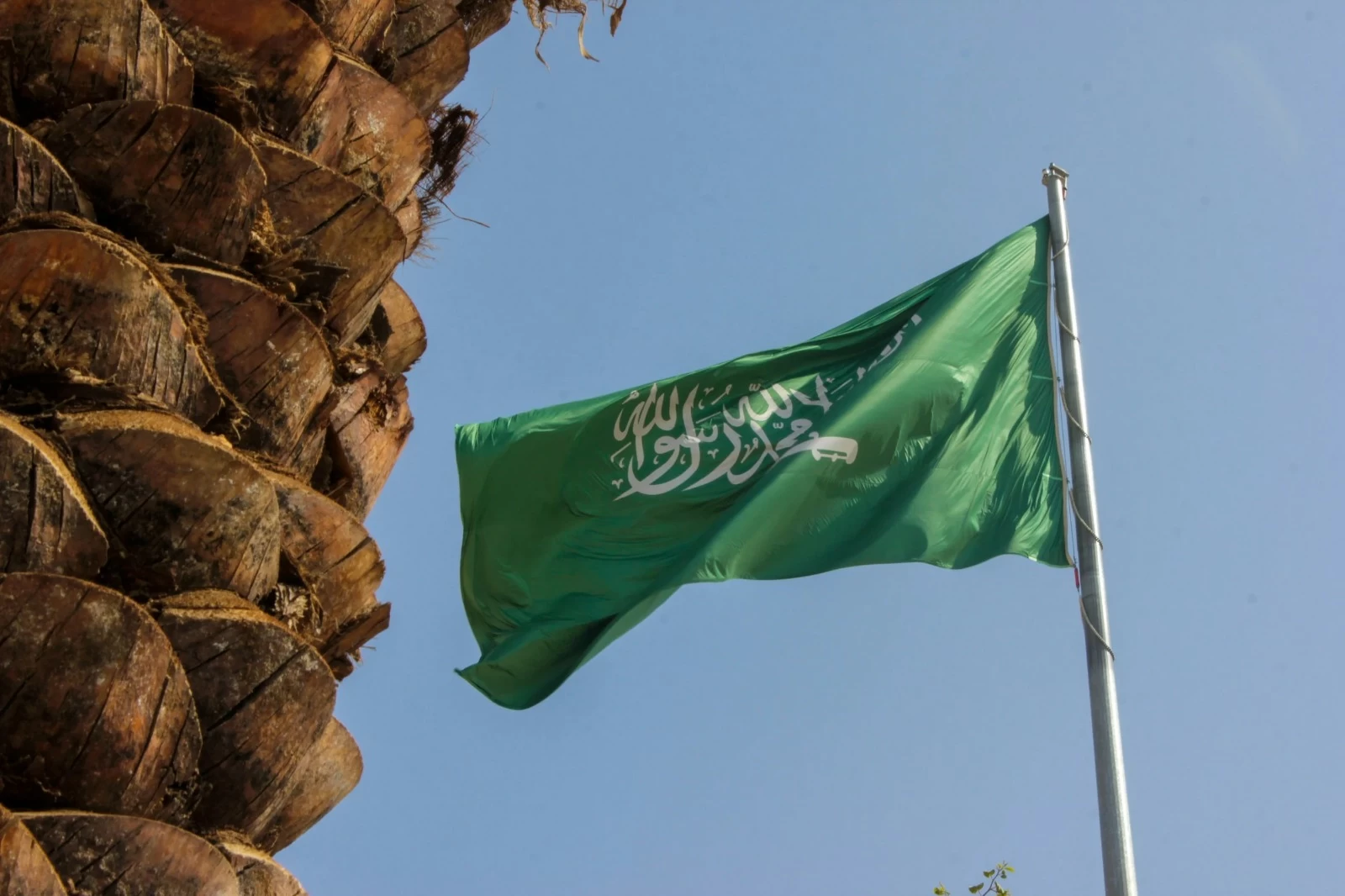
The fifth meeting of the International Monetary and Financial Committee of the International Monetary Fund (IMF) took place yesterday at the Fund's headquarters in Washington, D.C., under the chairmanship of Saudi Arabia. The meeting witnessed the participation of several senior officials and experts from member countries, as part of efforts to enhance international coordination to address current economic challenges.
In his opening remarks, the Deputy Chair of the International Monetary and Financial Committee, Dr. Riyad Alkhuraif, emphasized that the global economy faces numerous challenges and changes. He stressed the importance of continuous assessment of economic conditions, setting policy priorities, and exploring available options to promote sustainable growth.
Event Details
The meeting discussed the progress made in formulating the "Diriyah Principles," which were announced during the previous spring meetings of the IMF and World Bank. These principles aim to reform the quota and governance system of the IMF while maintaining the global monetary system and enhancing the Fund's role in achieving financial stability.
The meeting also addressed the importance of the International Monetary and Financial Committee continuing to unify efforts and enhance multilateral international coordination to tackle common challenges, reflecting the leadership role that Saudi Arabia plays in this context.
Background & Context
The significance of this meeting arises amid changing global economic conditions, where the world faces multiple challenges including inflation, potential recession, and the impacts of geopolitical crises. These factors have increased the need for coordinated economic policies among IMF member countries.
Historically, the IMF has played a pivotal role in promoting global financial stability, and the current meeting reflects the continuation of this role through the development of new policies that align with global economic changes.
Impact & Consequences
The outcomes of this meeting could contribute to enhancing international cooperation to address economic crises, potentially leading to greater stability in global financial markets. Additionally, the formulation of the "Diriyah Principles" may improve the governance system of the IMF, thereby enhancing the Fund's effectiveness in addressing future crises.
Moreover, coordination among member countries can help bolster sustainable growth, which is essential given the current economic challenges.
Regional Significance
For the Arab region, enhancing international cooperation in monetary and financial affairs is vital, especially in light of the economic challenges facing many Arab countries. The policies agreed upon in this meeting could support the stability of Arab economies and enhance their capacity to confront crises.
In conclusion, the fifth meeting of the International Monetary and Financial Committee reflects the importance of international cooperation in achieving financial stability and reinforces Saudi Arabia's role as a leader in this field.