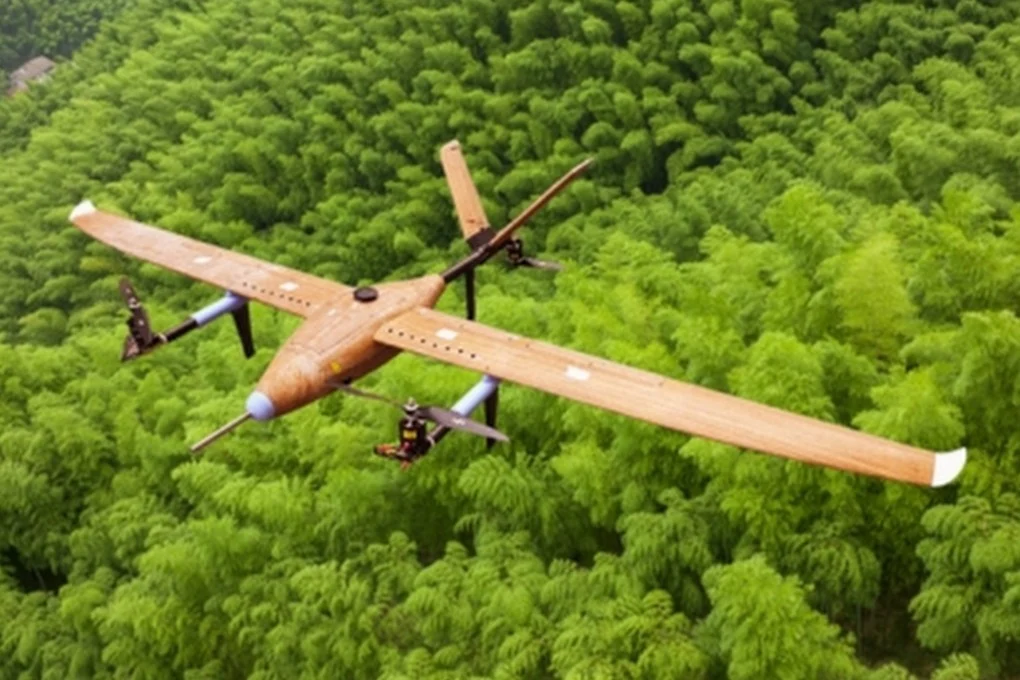
A team of researchers from Northwestern Polytechnical University in China has unveiled the first open-source flight control system, specifically designed for drones made from bamboo. This innovation comes at a time when there is increasing interest in developing unmanned aerial vehicles (UAVs) that are more sustainable and cost-effective, contributing to the advancement of modern technology across various fields.
The new system aims to address one of the main challenges in designing sustainable drones, which is integrating unconventional materials like bamboo into aircraft manufacturing. Bamboo is considered an ideal choice as it is lightweight and strong, making it suitable for use in the aviation industry.
Event Details
This system was developed by researchers at the School of Civil Aviation at Northwestern Polytechnical University and is the first of its kind globally. It has been designed to be open-source, meaning anyone can access, use, and develop it. This innovation could pave the way for further advancements in the drone sector and enhance its applicability in commercial, agricultural, and environmental fields.
The importance of drones is increasing in various sectors, ranging from smart agriculture to environmental monitoring. With the rising demand for sustainable solutions, the use of materials like bamboo can help reduce the environmental impact of drone manufacturing.
Background & Context
Drones have long been a part of technological advancement in the 21st century, being utilized in multiple areas such as aerial photography, delivery, and surveillance. However, significant challenges related to sustainability and cost have persisted. In recent years, researchers have begun exploring alternative materials like bamboo, which possesses unique properties that make it a suitable substitute for traditional materials such as plastics and metals.
China is one of the leading countries in technology and innovation, having invested heavily in the development of drones. This new innovation reflects China's commitment to enhancing sustainability in this sector and reinforces its position as a leader in environmental technology.
Impact & Consequences
This innovation could have a significant impact on the drone industry, potentially leading to reduced costs and increased efficiency. Additionally, the use of materials like bamboo can contribute to minimizing the environmental footprint of drone manufacturing, making it a more sustainable option.
Moreover, this innovation may encourage startups and innovators to explore more sustainable solutions, fostering innovation in this field. It is expected that this will increase competition in the market, which could lead to improved product quality and lower prices.
Regional Significance
In the Arab region, this innovation could positively impact several sectors, including agriculture and environmental monitoring. Bamboo drones can be utilized in smart agriculture, helping farmers enhance their productivity and reduce costs.
This technology can also contribute to strengthening environmental monitoring efforts, as it can be used to track environmental changes and ensure the sustainability of natural resources. This innovation represents an opportunity for Arab countries to leverage modern technology and achieve sustainable development.