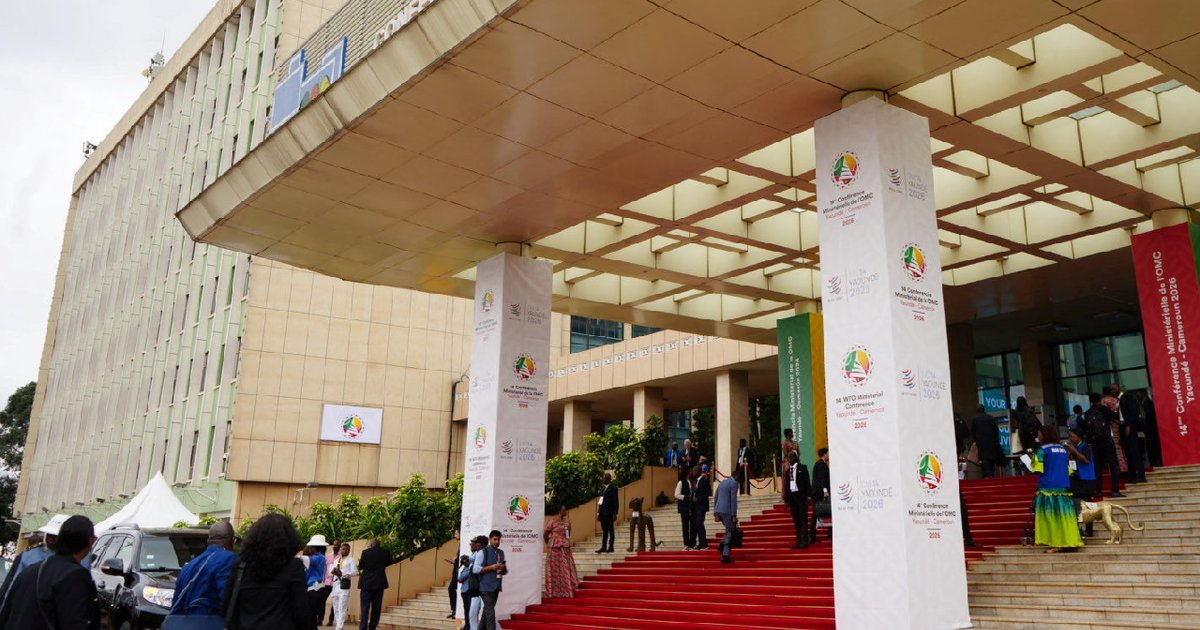
Chinese Commerce Minister Wang Wentao announced the launch of five new industrial cooperation centers between China and Africa during a World Trade Organization meeting held in Cameroon. This step is part of efforts to strengthen economic relations between the two sides, as both seek to achieve sustainable development and enhance cooperation in various fields.
The minister noted that these centers will contribute to expanding cooperation in areas such as infrastructure, skills training, and developing trade rules that will facilitate trade exchanges between China and African countries.
Event Details
The World Trade Organization meeting in Cameroon saw wide participation from representatives of member countries, where many global economic issues were discussed. Wang Wentao emphasized that China considers Africa a strategic partner in its efforts to enhance economic cooperation, indicating that the establishment of these centers will help transfer technology and enhance productive capacities in African countries.
The minister clarified that this initiative falls under the Belt and Road Initiative, which aims to strengthen trade and investment links between China and other countries. These centers are expected to create new job opportunities and boost economic growth in the beneficiary countries.
Background & Context
Historically, Chinese-African relations have witnessed significant growth over the past two decades, with China becoming one of the largest trading partners for the African continent. Chinese investments have contributed to the development of infrastructure in many African countries, helping to improve economic and social conditions.
In recent years, China has increased its focus on enhancing industrial cooperation with African countries, viewing the continent as a promising market for many products and services. This trend reflects China's desire to expand its economic influence in the region, especially amid increasing competition with other economic powers.
Impact & Consequences
The establishment of these centers is expected to have a significant impact on African economies, as they will help enhance local production and reduce reliance on imports. Additionally, they will contribute to improving the level of education and vocational training, thereby enhancing the ability of African youth to enter the job market.
Moreover, this initiative may contribute to enhancing political and social stability in African countries, as improving economic conditions can reduce tensions and internal conflicts. However, the biggest challenge remains how to manage these investments in a way that ensures mutual benefit for both sides.
Regional Significance
The Chinese-African relations are of particular importance to Arab countries, as these developments could affect Arab investments in the continent. With increasing Chinese investments, Arab nations may find themselves in a competitive position that requires them to reassess their investment strategies.
Furthermore, strengthening cooperation between China and Africa could open new avenues for collaboration between Arab and African countries, contributing to sustainable development in both regions. Therefore, monitoring these developments will be crucial to understanding how they will impact Arab interests in the future.