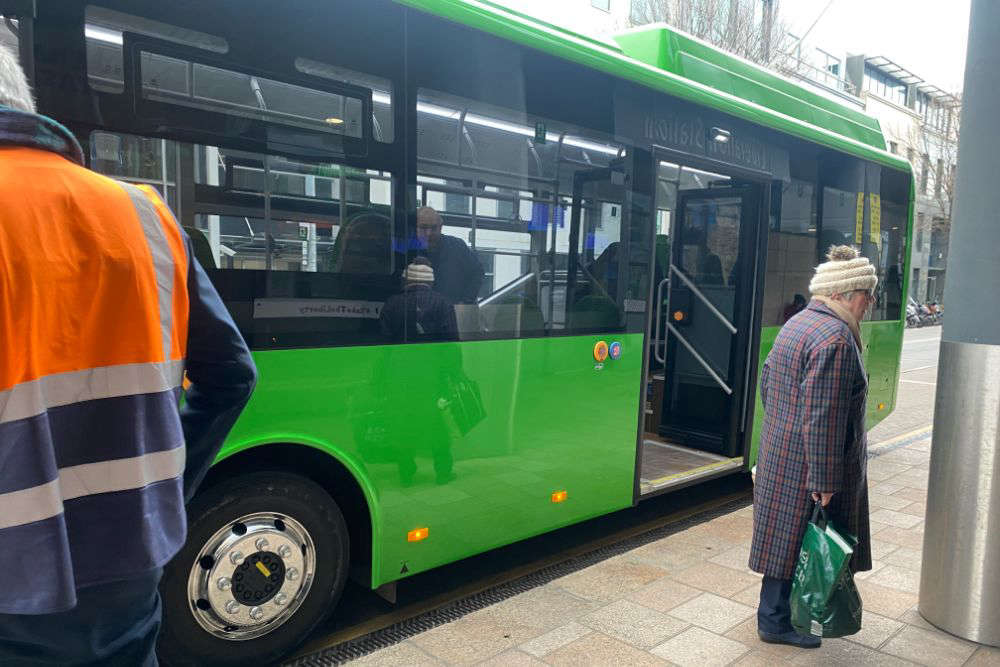
The government of Bogor, Indonesia, has initiated a trial of a free electric bus service on the Bogor-Centol route. This project is designed to promote sustainable transportation and decrease carbon emissions. The trial is part of government efforts to improve urban living standards and provide public transport more efficiently.
The free electric buses represent a significant step towards achieving sustainable development goals, as the government aims to reduce reliance on fossil fuels. The buses are equipped with the latest technologies to ensure passenger comfort and safety during transit.
Event Details
The electric bus service trial was launched in Bogor with the presence of several local officials and citizens. The bus route has been designed to cover vital areas in Bogor and Centol, facilitating movement between these two regions. The trial period is expected to last several weeks, during which performance and passenger satisfaction will be evaluated.
This initiative comes at a time when Indonesia is witnessing a growing interest in environmental sustainability, as the government seeks to reduce harmful emissions and improve air quality. Many citizens have expressed enthusiasm for trying this new service, hoping it will mark the beginning of improvements in public transportation across the country.
Background & Context
Historically, Indonesia has faced challenges with public transportation, heavily relying on traditional diesel-powered buses. As environmental awareness has increased, the government has begun exploring more sustainable options. In recent years, several projects have been implemented to enhance public transport, including the introduction of electric buses.
This initiative is part of the Indonesian government's plan to achieve sustainable development goals by 2030, which include improving air quality and reducing carbon emissions. This move aligns with the global trend towards the use of clean and renewable energy.
Impact & Consequences
This initiative is expected to have a positive impact on the environment, contributing to the reduction of emissions from traditional transportation methods. Additionally, the use of electric buses could lead to improved air quality in urban areas, positively affecting residents' health.
Furthermore, providing free transportation may encourage more citizens to utilize public transport instead of private vehicles, helping to alleviate traffic congestion. This could enhance the overall commuting experience.
Regional Significance
Indonesia's experience with electric buses serves as a model that Arab countries can benefit from, as many Arab cities face similar transportation challenges. Arab nations could draw inspiration from this initiative to develop sustainable transportation solutions, contributing to improved quality of life in urban areas.
Moreover, cooperation between Arab countries and Indonesia in the field of green technology could open new avenues for sustainable development in the region. Sharing expertise and modern technologies in this area can help achieve sustainable development goals in Arab nations.