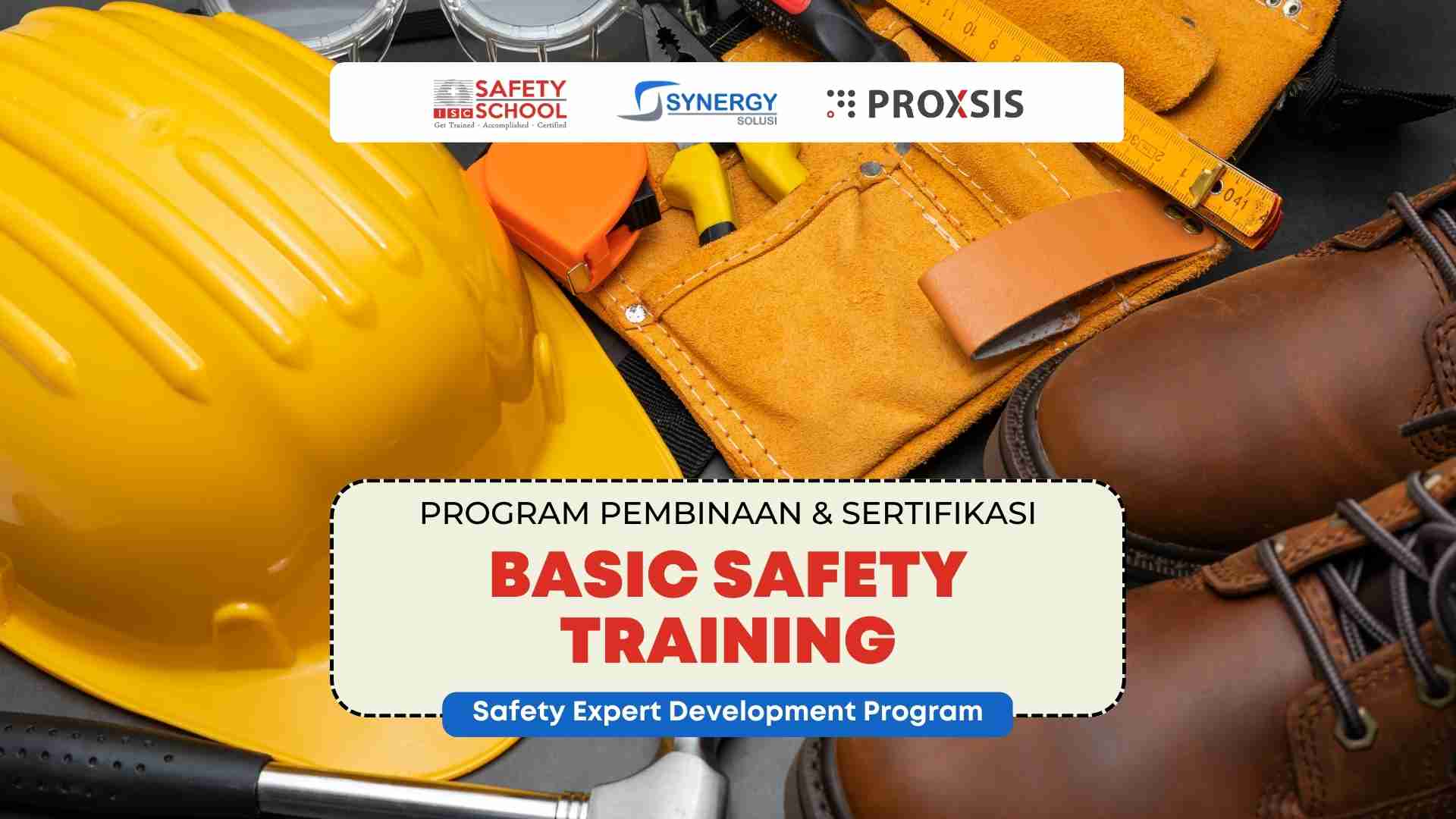
The Indonesian Ministry of Manpower (Kemnaker) has launched the second program for training and certification of occupational safety and health experts (K3) in a move aimed at enhancing workers' competencies in this vital field. The program offers an opportunity for 2,100 participants from various regions of Indonesia, with registration open from April 6 to April 12, 2026.
In a statement, Minister of Manpower Yasirli confirmed that this initiative is part of the government's efforts to expand access to training in occupational safety and health, which has become an urgent necessity in the labor market. He explained that the program aims to qualify more workers to become K3 experts, contributing to the creation of a safe and healthy work environment.
Event Details
The program, which allows trainees to obtain a free certificate, requires participants to pay a nominal fee of 420,000 Indonesian Rupiah, in accordance with government regulations. This fee covers the costs of certification and assessment, making the program accessible to as many workers as possible.
This program comes at a time when the demand for K3 experts is increasing, as companies face growing challenges in maintaining the safety of their employees and complying with legal standards. The minister noted that having K3 experts is no longer an option but a necessity to ensure business continuity and protect workers.
Background & Context
Historically, Indonesia has witnessed a significant increase in workplace accidents, prompting the government to take serious steps to improve safety and health standards in work environments. In recent years, laws related to occupational safety have been strengthened, increasing the importance of training workers in this field.
These initiatives are part of the Indonesian government's strategy to promote sustainable development and improve the quality of life for workers, as it seeks to reduce accidents and enhance productivity across various sectors.
Impact & Consequences
This program is expected to contribute to improving safety levels in workplaces, leading to a reduction in accidents and injuries. Additionally, enhancing workers' competencies in K3 will help companies comply with legal standards, thereby enhancing their reputation in the market.
Furthermore, increasing the number of K3 experts will contribute to improving the overall work environment, reflecting the government's commitment to achieving sustainable development and protecting workers' rights.
Regional Significance
Although this program focuses on Indonesia, the lessons learned can be beneficial for Arab countries, many of which face similar challenges in occupational safety and health. Arab nations can draw from Indonesian experiences to develop similar training programs aimed at enhancing workplace safety.
In conclusion, this program represents a positive step towards enhancing occupational safety and health in Indonesia, reflecting the government's commitment to improving working conditions for laborers. The success of this program may encourage other countries to take similar steps to improve safety standards in workplaces.