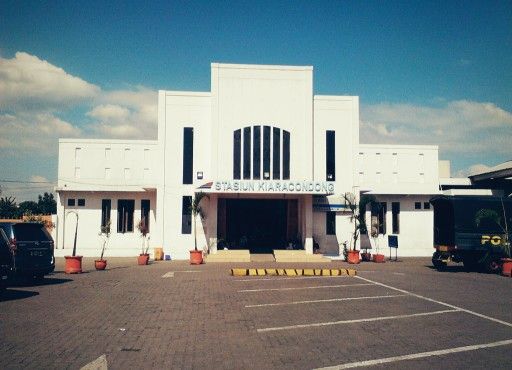
Kerta Abadi Indonesia (KAI) has unveiled a new housing project in the Kiara Condong area of Bandung, designed to offer housing units for low-income individuals through a sustainable development model that relies on public transportation. This announcement was made during a visit by the company's CEO, Bobby Rashidin, alongside the Minister of Housing and Urban Development, Marwarar Siregar, to the site.
The project aims to transform the land surrounding the Kiara Condong station into an integrated residential area, where vertical housing units will be constructed to improve the living standards of low-income families. Bobby emphasized that this project will help residents reduce their transportation costs, as they will find themselves close to the train station.
Event Details
During the visit, Bobby clarified that the project is not limited to providing housing but also includes the establishment of small commercial areas and public spaces that enhance economic activity in the region. He also highlighted the importance of adhering to operational safety standards for railways during the project's development.
For his part, the Minister of Housing expressed his appreciation for this initiative, noting that Kerta Abadi plays a vital role in addressing housing issues in urban areas. He confirmed that the joint team will present the project's master plans on April 25.
Background & Context
Housing issues are significant challenges facing many countries, including Indonesia. Many citizens suffer from a lack of adequate housing, making projects like the Kiara Condong initiative essential. This project is based on a sustainable development concept that connects housing with public transportation, contributing to an improved quality of life.
Historically, Indonesia has experienced rapid population growth, leading to increased demand for housing. The government has responded by developing new housing projects, but there remains a significant gap in meeting the needs of the population.
Impact & Consequences
The Kiara Condong project is expected to help bridge the housing gap by providing affordable housing units. It will also boost the local economy by creating new job opportunities in construction and trade.
Moreover, this project could serve as a model for other regions in Indonesia, where this approach can be replicated in cities facing similar housing challenges.
Regional Significance
Many Arab countries also face similar housing challenges, suffering from a shortage of adequate housing units. Indonesia's experience in developing sustainable housing projects could inspire Arab nations seeking to improve living conditions for their citizens.
In conclusion, the Kiara Condong project represents a positive step towards achieving sustainable development and meeting the needs of the population, reflecting the importance of collaboration between the public and private sectors in addressing housing issues.