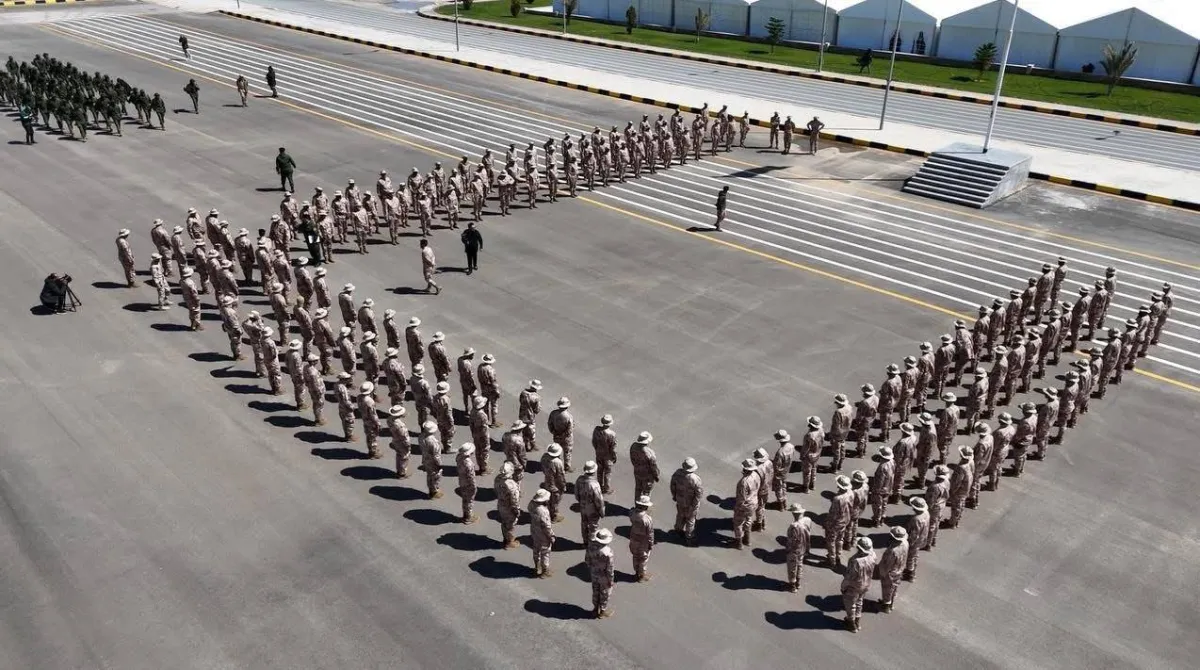
The multinational military exercise 'Flintlock' is set to begin in mid-October in Sirte, Libya, marking the first of its kind hosted by the country under the supervision of the United States Africa Command (AFRICOM). The exercise will involve forces from the Libyan National Army, led by Field Marshal Khalifa Haftar, alongside military units from the interim Government of National Unity.
This exercise aims to bring together 'comrades in arms' within the Libyan military institution, which has been divided since the fall of Muammar Gaddafi's regime in 2011. According to the Ministry of Defense of the Government of National Unity, the exercise seeks to enhance international cooperation in counter-terrorism, train special forces, exchange military expertise, and improve readiness to address security threats in North and West Africa.
Details of the Event
Approximately 1,500 soldiers from 30 countries will participate in the 'Flintlock' exercise, reflecting the importance of international military cooperation in addressing security challenges. This exercise presents an opportunity to enhance Libya's standing on both regional and international levels, showcasing its ability to host and conduct joint military drills according to international standards.
The timing of this exercise is critical for Libya, as politicians strive to rebuild a unified, professional national army capable of safeguarding the country and maintaining stability. The Ministry of Defense has confirmed that these efforts are part of supporting the unification of the military institution and enhancing the skills of officers and personnel through advanced field experience.
Background & Context
'Flintlock' is one of the pillars of the U.S.-African military partnership in combating terrorism in the Sahel and Sahara regions, having started in 2005 as a joint U.S.-European exercise before the leadership transitioned to AFRICOM after its establishment in 2008. This exercise serves as a real test of international efforts aimed at enhancing security and stability in Libya.
This exercise coincides with the United States reaffirming its support for the unification of the Libyan army, as confirmed by the U.S. Chargé d'Affaires, Jeremy Brunt, during discussions with General Khalifa Haftar, Chief of Staff of the National Army. These U.S. positions reflect a clear interest in the issue of unifying the military institution in Libya, which is currently divided between two main military factions.
Impact & Consequences
The 'Flintlock' exercise is expected to contribute to strengthening military cooperation between Libya and the participating countries, potentially leading to improved readiness to confront security threats. Additionally, this exercise may open new avenues for security cooperation between Libya and Western nations, given the increasing challenges faced by the region.
This exercise also represents an opportunity to strengthen military relations between Libya and African and European countries, which may contribute to improving the security situation in the region. The success of this exercise could encourage the organization of more joint military events in the future, reflecting the international community's commitment to supporting Libya's stability.
Regional Significance
This exercise comes at a time when the Arab region faces increasing security challenges, making it essential to enhance military cooperation among countries. The success of 'Flintlock' could bolster the Arab nations' capacity to address common security threats and underscores the importance of collective action in achieving security and stability.
In conclusion, the 'Flintlock' exercise represents a historic opportunity for Libya to enhance its position in the international community and unify its military efforts in confronting security challenges. The success of this exercise may contribute to rebuilding trust among various parties in Libya and enhance the prospects for achieving peace and stability in the country.