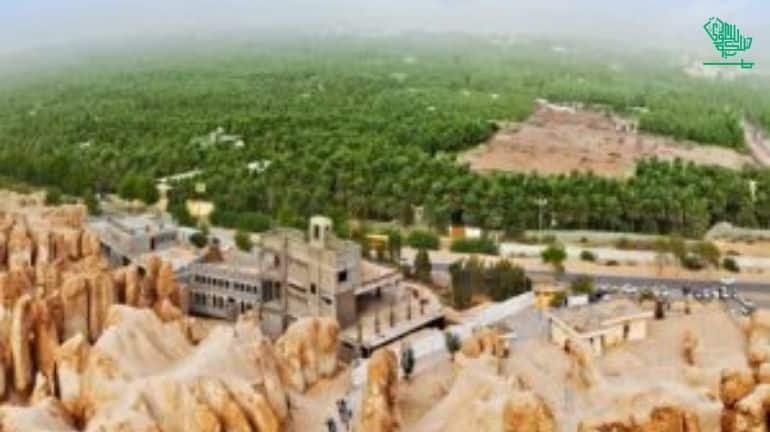
Saudi Arabia has announced the launch of the National Afforestation Program, which aims to plant over 10 million trees in various regions. This program is part of the kingdom's ongoing efforts to combat climate change and enhance environmental sustainability, as it seeks to improve air quality and increase green spaces in the country.
The program is considered part of Saudi Vision 2030, which aims to achieve sustainable development and environmental preservation. It includes the planting of trees in both urban and rural areas, contributing to improving the quality of life for residents and enhancing biodiversity.
Event Details
The program was announced during a press conference attended by several government officials and environmentalists, where the objectives and implementation plans of the program were presented. Officials emphasized that the program will rely on modern agricultural and afforestation technologies to ensure successful operations and achieve the desired goals.
It was also noted that the program will include partnerships with the private sector and civil society, encouraging citizens to participate in planting and caring for the trees. This collaboration is expected to enhance environmental awareness among individuals and communities.
Background & Context
This initiative comes at a time when concerns about the effects of climate change are increasing, which directly impacts the environment and public health. In recent years, the kingdom has witnessed rising temperatures and changes in rainfall patterns, necessitating urgent actions to protect the environment.
Historically, Saudi Arabia has relied heavily on oil as a primary source of income, but with increasing environmental awareness, the government has begun taking steps towards diversifying the economy and achieving sustainability. Thus, the National Afforestation Program emerged as part of these efforts.
Impact & Consequences
The National Afforestation Program is expected to have positive impacts on both the environment and society. Increasing green spaces will contribute to improving air quality and reducing pollution, benefiting the health of citizens.
Additionally, the program will help promote eco-tourism, as the planted areas could become attractions for tourists. Furthermore, increasing environmental awareness among citizens will enhance efforts to preserve the environment and achieve sustainable development.
Regional Significance
This initiative serves as a model for other Arab countries facing similar challenges in climate change and environmental issues. This step could inspire neighboring countries to adopt similar programs, contributing to environmental improvement at the regional level.
In light of global environmental challenges, cooperation among Arab countries becomes an urgent necessity, as experiences and technologies can be shared to achieve common environmental goals.
In conclusion, the National Afforestation Program represents an important step towards achieving sustainable development in Saudi Arabia, reflecting the government's commitment to protecting the environment and enhancing the quality of life for citizens.