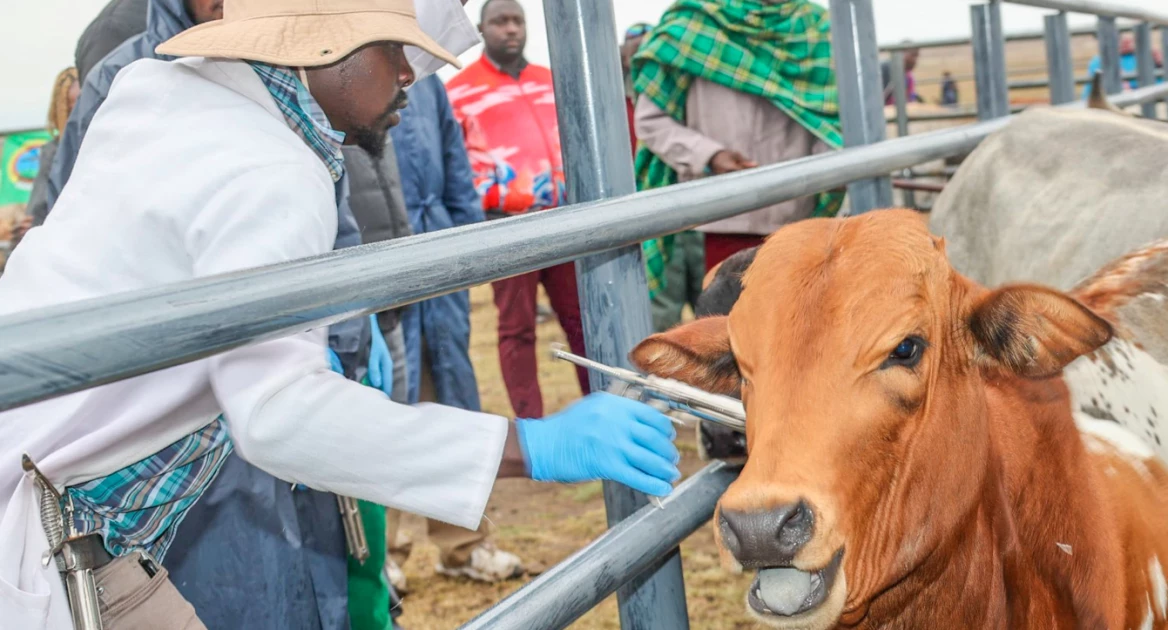
The Egyptian Ministry of Agriculture and Land Reclamation has announced the launch of a national campaign to vaccinate livestock against lumpy skin disease in North Sinai. This campaign is part of the Egyptian government's efforts to protect livestock and enhance food security in the country, as farmers are suffering from the impacts of this disease on livestock productivity.
Lumpy skin disease is a viral disease that affects livestock, leading to the appearance of skin tumors and deterioration of the animals' health. This disease poses a significant threat to livestock in Egypt, where many farmers rely on raising livestock as a primary source of income.
Details of the Campaign
The campaign aims to vaccinate all types of livestock, including cattle, sheep, and goats, by providing the necessary vaccines in various areas of North Sinai. Specialized medical teams have been prepared to carry out the vaccination operations, as these teams will visit farms and administer vaccines to the animals.
This campaign comes at a sensitive time, as the region has witnessed an increase in cases of lumpy skin disease, prompting the government to take urgent measures to protect livestock. Officials have confirmed that the campaign will continue until the desired goals of reducing the spread of the disease are achieved.
Background & Context
Historically, Egypt has suffered from several epidemics that threaten livestock, negatively affecting agricultural production and the local economy. Lumpy skin disease is not new to the region, but it has seen a notable increase in recent years, necessitating urgent government intervention.
North Sinai is a strategic area in Egypt, playing an important role in livestock farming. With the increasing environmental and economic challenges, it has become essential to take effective steps to protect this vital sector.
Impact & Consequences
The campaign is expected to contribute to improving livestock health and reducing economic losses resulting from the disease. It will also help enhance trust between farmers and the government, which may lead to increased investments in the livestock sector.
Moreover, the success of the campaign could serve as a model for other regions in the country facing similar challenges, thereby strengthening national efforts to protect food security.
Regional Significance
Livestock is a fundamental part of the economy in many Arab countries, playing a pivotal role in providing food and economic resources. Therefore, the success of the campaign in Egypt could positively impact neighboring countries facing similar challenges.
Additionally, regional cooperation in combating animal diseases can contribute to enhancing food security in the region, reflecting the importance of coordination among Arab countries to address common challenges.
In conclusion, the national campaign to vaccinate livestock against lumpy skin disease represents an important step towards protecting livestock in Egypt and reflects the government's commitment to improving the economic and social conditions of farmers in North Sinai.